Delhi HC Asks Aishe Ghosh to File Broader Plea on Jantar Mantar Surveillance
The Delhi High Court on Monday advised former Jawaharlal Nehru University Students' Union (JNUSU) president Aishe Ghosh to file a fresh petition dealing with the surveillance of protesters in a broader context, noting that her current plea focused on a specific demonstration at Jantar Mantar had cooled down. A bench comprising Chief Justice DK Upadhyaya and Justice Tejas Karia was hearing a public interest litigation (PIL) alleging intrusive surveillance during a CJP-led agitation against the NEET paper leak.
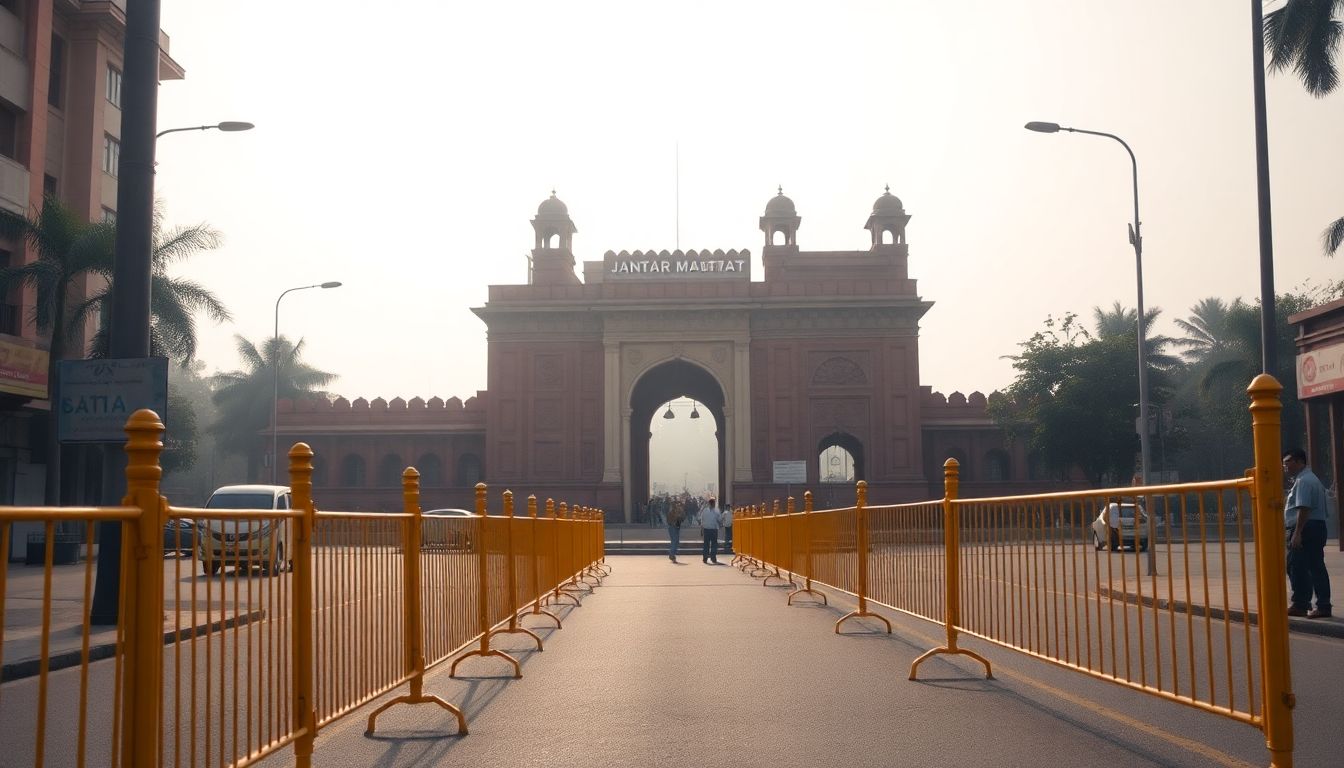
The central government informed the court that the petition had become infructuous after the Cockroach Janta Party (CJP) ended its 36-day protest at Jantar Mantar on July 25 following the resignation of Union Education Minister Dharmendra Pradhan.
Appearing for Ghosh, senior counsel argued that several prayers in the PIL remained relevant, particularly those concerning the surveillance of peaceful protesters in the absence of a legal framework. The petitioner requested directions instructing authorities to permanently destroy all personal data collected through surveillance, especially after assurances were given that no action would be taken against the protesters.
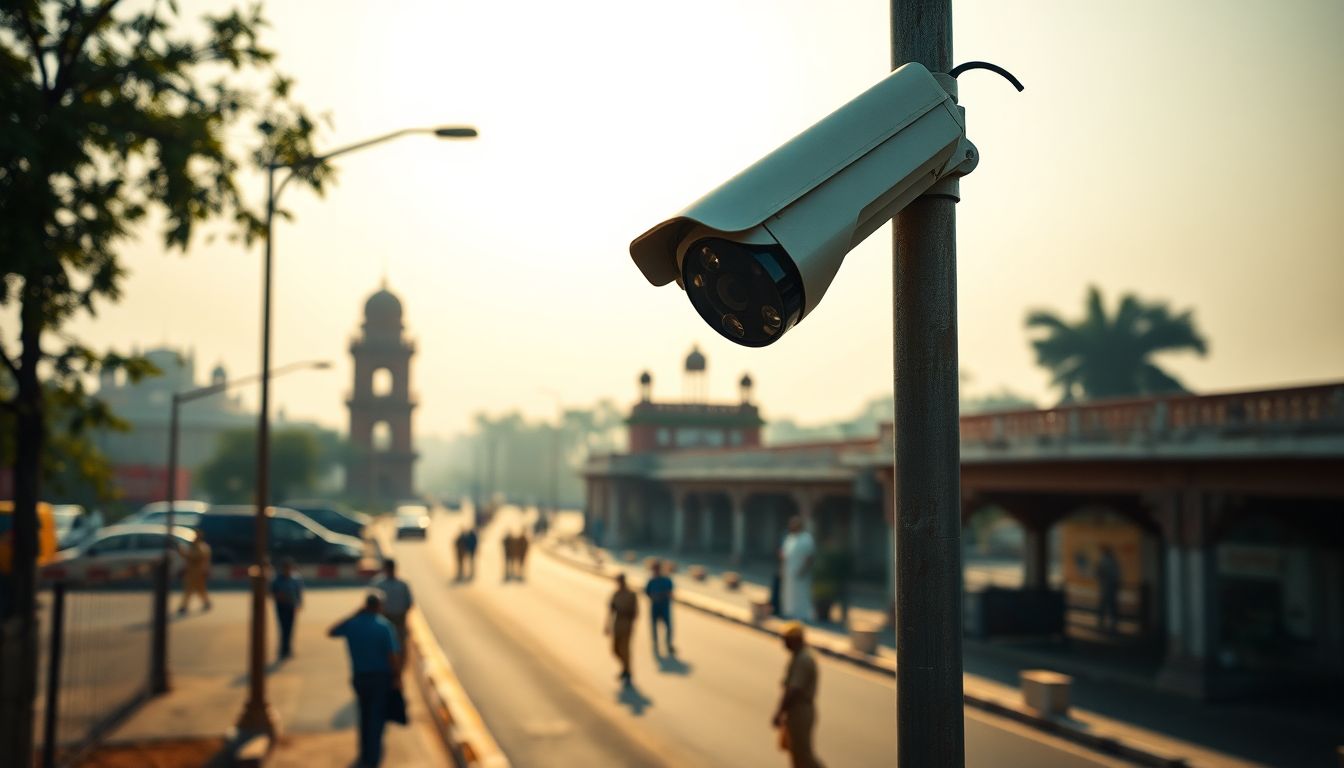
The PIL, filed through advocate Subhash Chandran KR, alleged that police personnel in plain clothes recorded videos of protesters and used facial recognition technology to identify participants. It also stated that a permanent surveillance tower and continuous videography at Jantar Mantar created an intrusive environment that recorded ordinary daily acts, including eating, resting, and seeking medical assistance.
The petition contended that continuous mass surveillance of peaceful protesters is constitutionally impermissible and disproportionate. It sought to restrain authorities from conducting mass photography and videography at the protest site unless there is a proximate, real, and imminent threat to public order.
Solicitor General Tushar Mehta, appearing for the Centre, defended the actions by stating that videography of the protest was carried out in the legitimate state interest. Mehta argued that objections to the practice were ironic given that influencers and media were also recording videos at the site, and noted that the CJP itself had urged protesters to videograph everything.
The bench observed that things had cooled down and suggested the petitioner file a subsequent petition seeking general guidelines rather than pressing the current plea limited to a single protest. The court scheduled the matter for further hearing on Tuesday.