Delhi-Gurugram Highway Recorded 31 Deaths in 86 Crashes During 2025
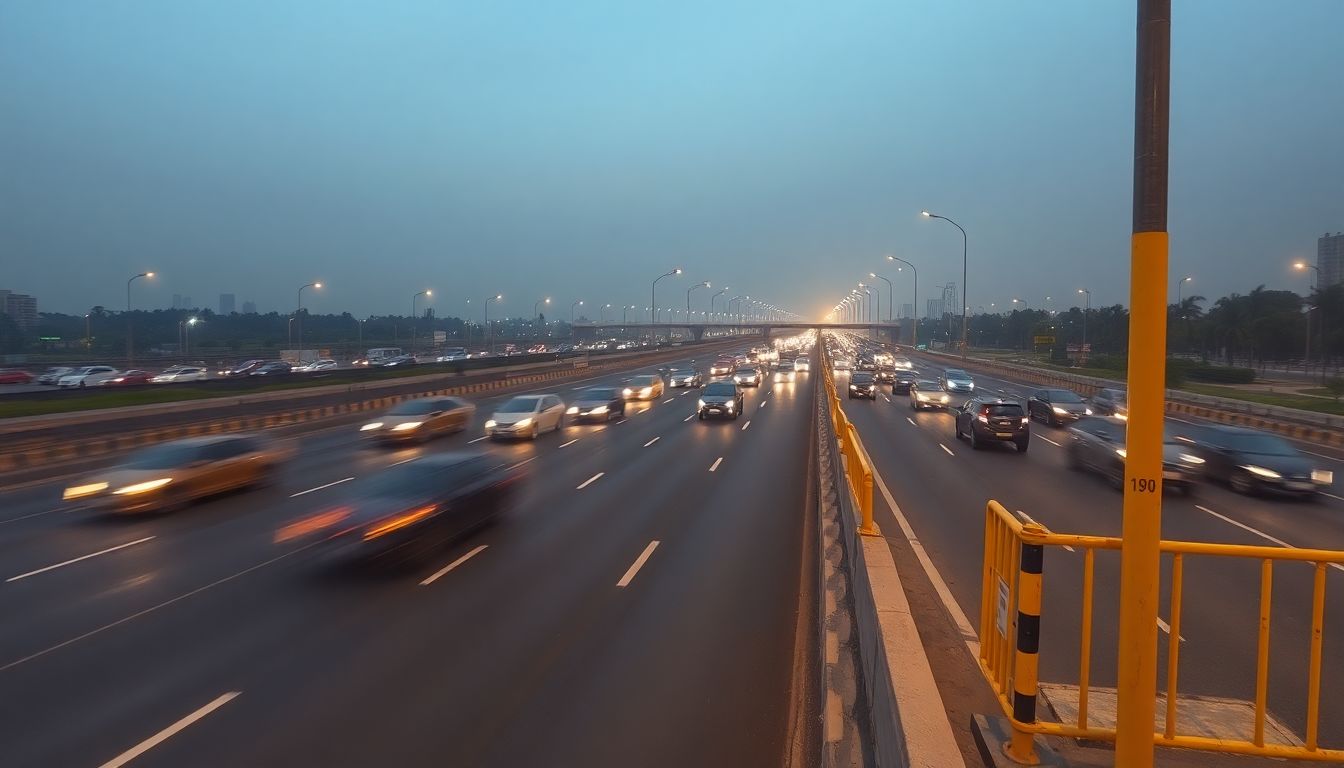
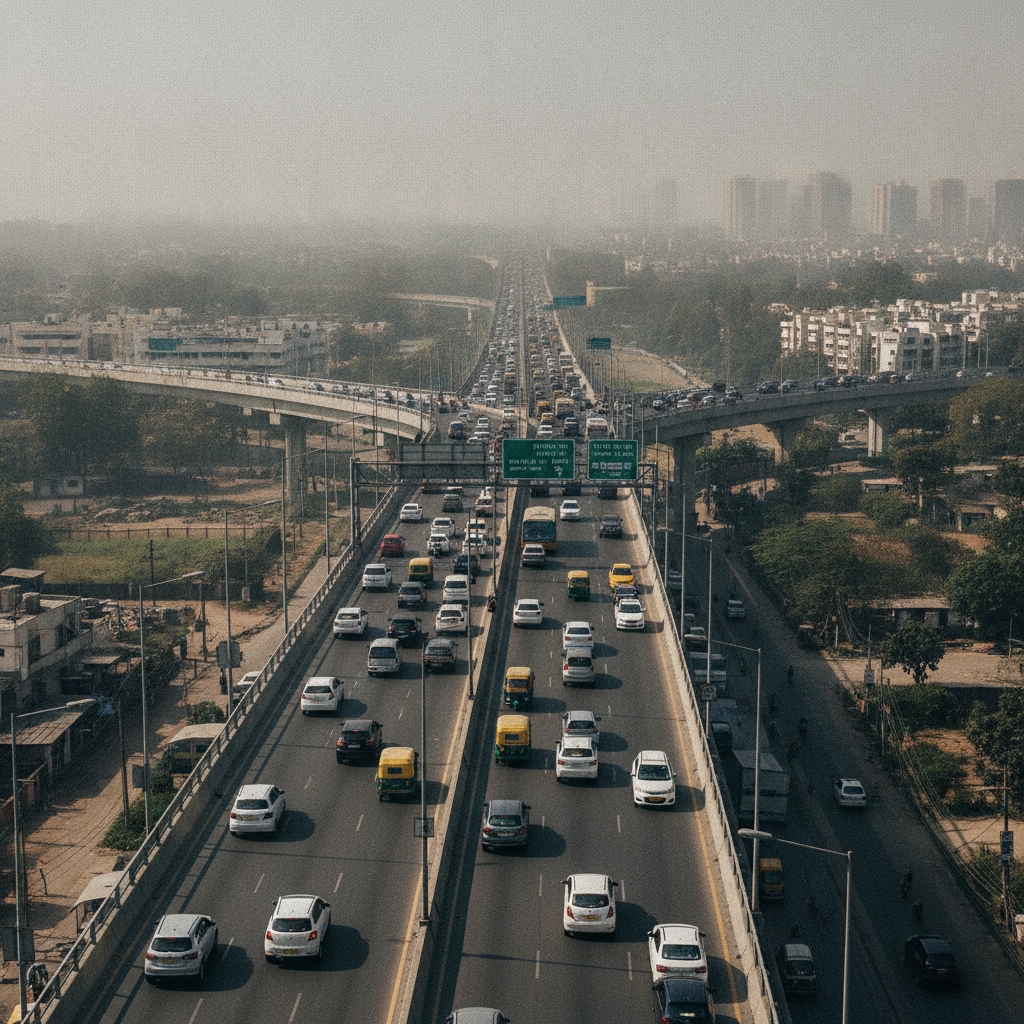
The Delhi-Gurugram corridor of National Highway 48 (NH-48) recorded 31 deaths across 86 crashes in 2025, highlighting the disproportionate dangers of high-speed corridors. According to recent Delhi Traffic Police data, the city's eight national highways and expressways accounted for 18 percent of all road fatalities in 2025, despite making up only 0.5 percent of the total road network.
Out of 1,617 road deaths recorded in the national capital in 2025, 288 occurred on these high-speed corridors. In total, Delhi registered 5,689 road crashes during the year, with 708 taking place on highways and expressways.
The high-speed network, which includes NH-48 connecting Delhi to Gurugram, spans about 157 kilometres of the city's total 32,000-kilometre road network. Despite this small footprint, these corridors have consistently proven highly lethal. Between 2021 and 2025, the eight highway corridors witnessed 3,427 crashes, resulting in 1,161 deaths.
Among the corridors, NH-44 emerged as the deadliest in 2025, recording 213 crashes that killed 101 people and injured 180. NH-10 recorded the second-highest toll with 65 deaths in 145 crashes, followed by Mathura Road (NH-2) with 33 deaths in 98 crashes, and the Delhi-Gurugram corridor (NH-48) with 31 deaths.
Traffic police officials attributed the high fatality rates to excessive speeds and the mixing of heavy vehicles with local traffic. While collisions at typical urban speeds of 30 to 40 kilometres per hour often result only in injuries, crashes at highway speeds of 80 kilometres per hour or more frequently turn fatal.
Additionally, officials noted that these highways increasingly function as ordinary urban roads within city limits. Vehicles frequently enter and exit through unauthorised openings, while pedestrians, cyclists, and slow-moving vehicles share the lanes with heavy trucks.
S Velmurugan, chief scientist and head of the traffic engineering and safety division at the Central Road Research Institute, pointed out that the mixing of low-speed and high-speed traffic at busy intersections is a primary cause of these crashes. He emphasized the need for safer and more convenient pedestrian crossings to prevent such accidents.