Delhi Cabinet Approves New EV Policy Targeting Two Wheelers Amid Infrastructure Concerns
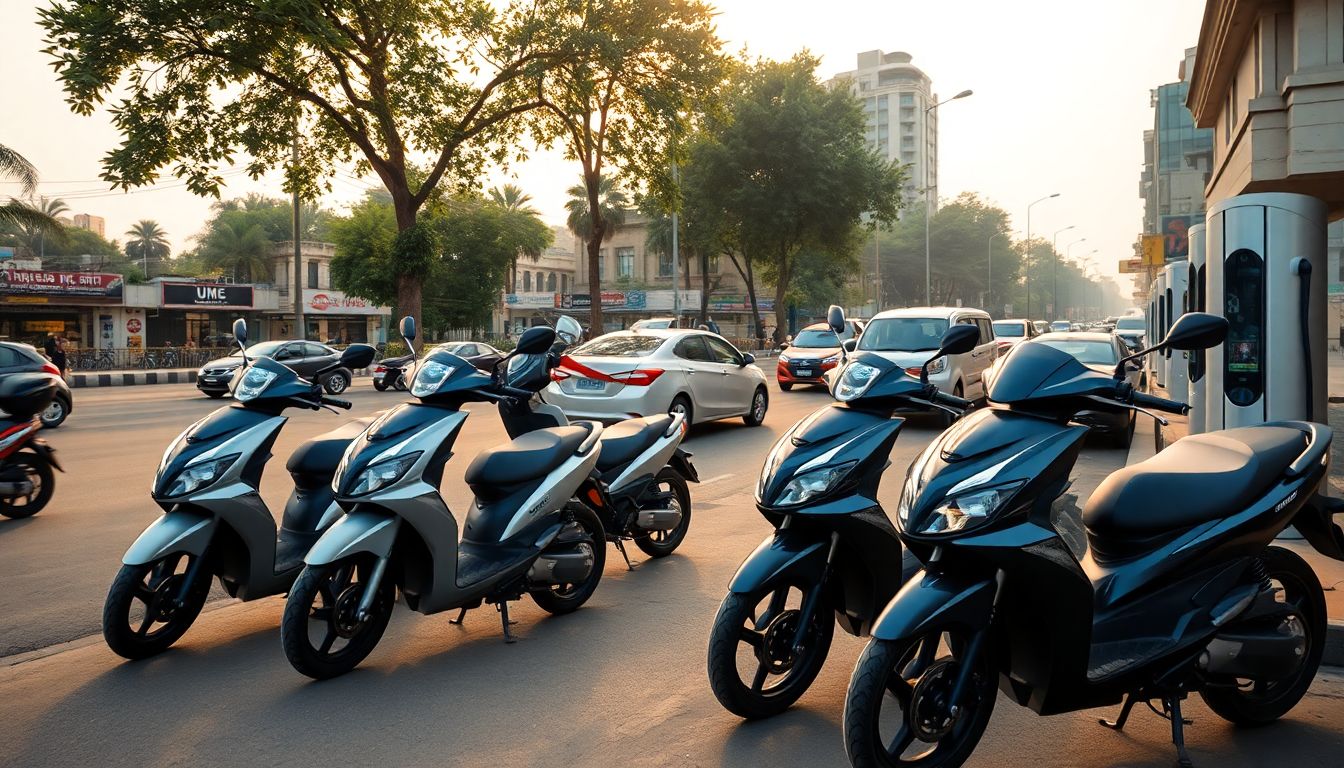
On Monday, the Delhi Cabinet approved a new Electric Vehicle (EV) policy aimed at mandating a transition to electric two-wheelers, three-wheelers, and school buses across Delhi. While government officials hailed the policy as a major step to curb vehicular emissions, policy and transport experts have raised concerns regarding significant infrastructure gaps and the timeline required for a full transition.
The new policy, which is set to come into effect on July 1, primarily targets Delhi's 5.8 million two-wheelers through subsidies and scrappage incentives. Fuel-run bikes currently account for 70 to 80 percent of vehicular emissions in the capital.
Delhi Transport Minister Ashish Sood, who heads the panel formalising the policy, stated that every EV reduces India's dependence on imported fossil fuels and provides cleaner air. Chief Minister Rekha Gupta announced that the government plans to develop a robust charging network by installing more than 30,000 EV charging points across Delhi during the policy period, adding that the required land has already been identified.
Currently, Delhi has around 5,884 EV charging stations, 8,912 charging points, and 893 battery swapping stations.
While some experts welcomed the policy, others expressed apprehension over the current state of infrastructure. Vikas Nimesh, an Assistant Professor at the School of Public Policy at IIT Delhi, called the transition mandate a "game changer" but warned of a "huge gap" in charging infrastructure. Nimesh noted that a complete transition could take six to seven years and urged the government to expedite charging installations near residential areas by 2027-28. He also criticised the decision to withdraw proposed road waivers on strong hybrid vehicles, which he argued could have served as a transition bridge.
Amit Bhatt, Managing Director of the International Council on Clean Transportation, agreed that phasing out two- and three-wheelers would significantly reduce emissions and improve public health. Unlike Nimesh, Bhatt supported dropping purchase incentives for strong hybrids, stating it would direct support toward zero-emission technologies.
However, former Transport official Anil Chikkara criticised the policy's rapid timeline, arguing for a more gradual transition. Chikkara pointed out that a lack of facilities in resettlement colonies and narrow streets would make switching difficult for residents. Additionally, Devender Sharma, an industry player from Micro Auto Tech Private Limited, noted a lack of clarity regarding how subsidies would be disbursed to customers.