DAG on Janpath Hosts Exhibition of Emily Eden's 19th-Century Indian Portraits
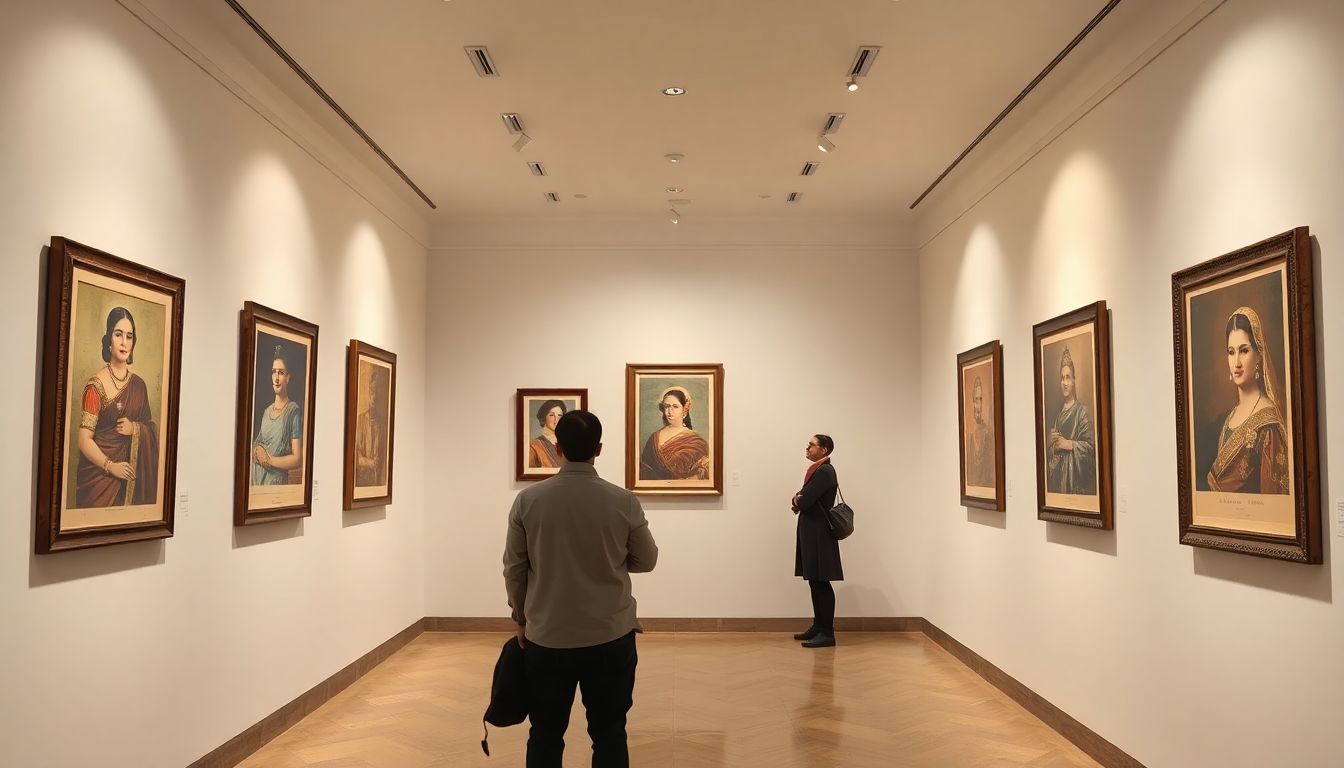
An art exhibition featuring almost 30 hand-coloured lithographs and archival materials by 19th-century English artist Emily Eden is currently on display at the DAG gallery on Janpath in Delhi. Running until August 1, the exhibition, titled "Princes & People of India: Portraits by Emily Eden," brings historic portraits of Indian royalty, soldiers, and citizens to the city—a destination the artist originally overlooked and dismissed during her travels in 1837.
Emily Eden, an aristocratic English lady and sister of the then Governor-General of India, George Eden (the 1st Earl of Auckland), travelled 1,700 miles across North India. Accompanied by her brother and their sister Fanny Eden, the journey began in Calcutta in 1837 and ended at the court of Maharaja Ranjit Singh in Lahore. The Governor-General undertook the journey to secure a diplomatic alliance with the founder of the Sikh Empire against the Barakzais of Kabul and the expansionist threat of Russia's Tsar Nicholas I.
Throughout the journey, Eden sketched various Indian figures, including regional rulers, soldiers, and servants. However, she bypassed Delhi as a subject for her sketches. Despite spending nearly a week in the city, she saw it as a ghost town, writing in a letter to her nephew William Eden that there was "nothing to be seen but gigantic ruins of mosques and palaces" under the rule of the last Mughal king, Bahadur Shah Zafar.
Now, her historic artworks have arrived in the city she once found empty. The exhibition at Janpath includes her portraits of prominent figures such as Maharaja Ranjit Singh, the Raja of Patiala on his state elephant, the Raja of Nahun, and the Maratha nobleman Raja Hindu Rao.
According to exhibition curator and art historian Mary Ann Prior, Eden's first portrait in India was of a young student from Hindu College in Calcutta. Prior noted that Eden was one of the first British women artists to document India, distinguishing her work from male contemporaries like Thomas Daniell, William Daniell, and William Hodges, who focused primarily on landscapes where humans appeared only incidentally.
"She was niche, having access to Indian royalty, which was unique. Few women had that experience," Prior said.
The exhibition, which also features items from the Eden Family Archives, is open to the public at DAG on Janpath until August 1.