World Bank Experts Suggest Waste Management Reforms To MCD In New Delhi
World Bank experts have recommended several strategic measures to the Municipal Corporation of Delhi (MCD) to curb dust pollution and improve municipal solid waste management across New Delhi.
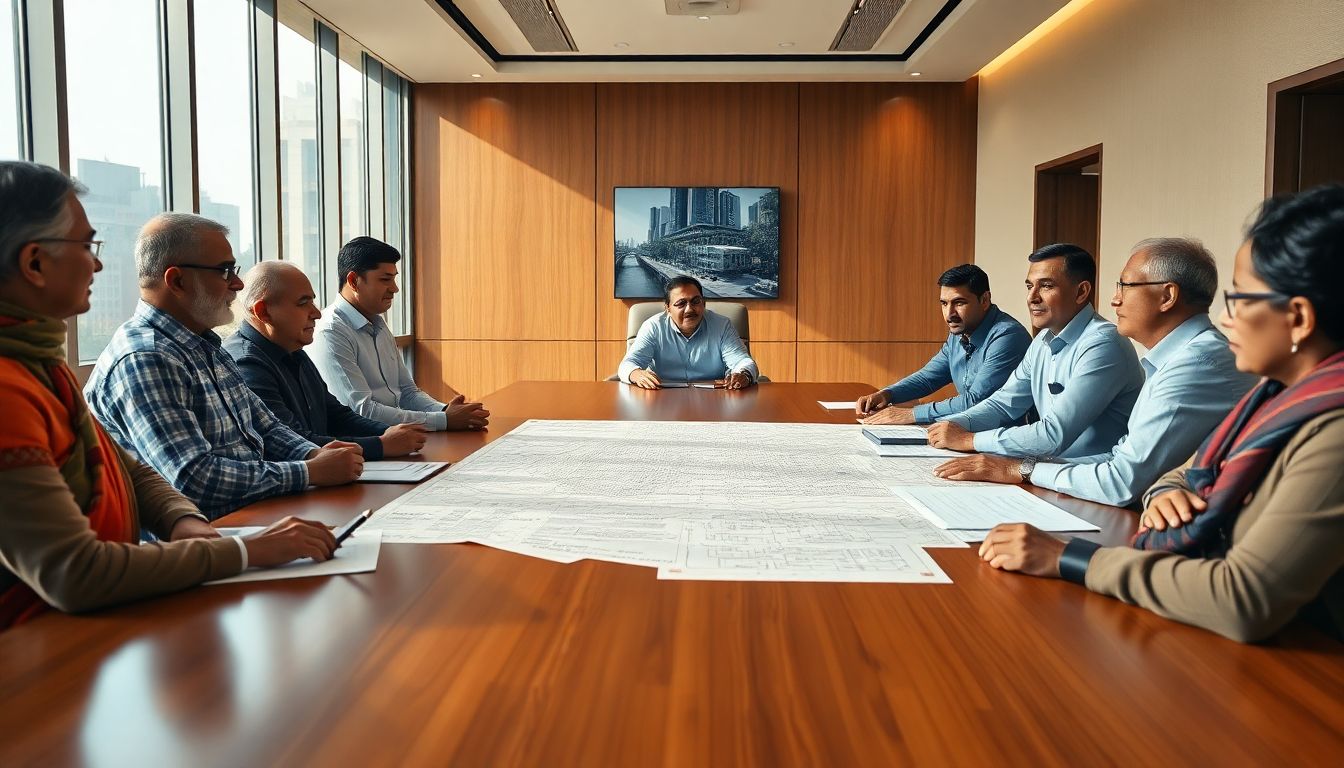
The proposals were discussed during a meeting held on Saturday with MCD officials, including MCD Commissioner Sanjeev Khirwar. The primary objective of the session was to explore sustainable waste management solutions for the national capital by examining successful practices implemented in leading global cities.
Among the key recommendations presented by the World Bank team was the rollout of a digital monitoring system to track open burning. The experts advised enforcing strict protocols to eliminate localised winter trash fires, which contribute significantly to the city's air pollution. To address collection challenges in hard-to-reach communities, they suggested procuring low-emission micro-logistics, such as a GPS-enabled electric fleet system.
During the meeting, an MCD team delivered a detailed presentation outlining the civic body's existing framework for municipal solid waste collection and transportation, covering generation patterns across various sources.
The international experts emphasised that MCD must first identify its specific local constraints. These include land scarcity, legacy waste burdens, and weak segregation of waste at the source. The experts noted that improper segregation contaminates recyclable materials, directly hindering downstream recycling operations.
They also pointed out that Delhi's complex urban landscape and densely populated, hard-to-reach neighbourhoods make mechanized door-to-door waste collection difficult. This operational challenge frequently leads to chronic waste leakage and subsequent open burning.
Addressing processing methods, the experts cautioned against over-reliance on waste-to-energy (WTE) facilities. They observed that because the waste contains a large wet fraction, WTE plants cannot serve as an adequate standalone solution. The meeting also discussed in detail the substantial social, environmental, and financial costs currently generated by waste logistics across the city.