Winter Construction Ban Exemptions Threaten to Worsen Delhi Dust Crisis
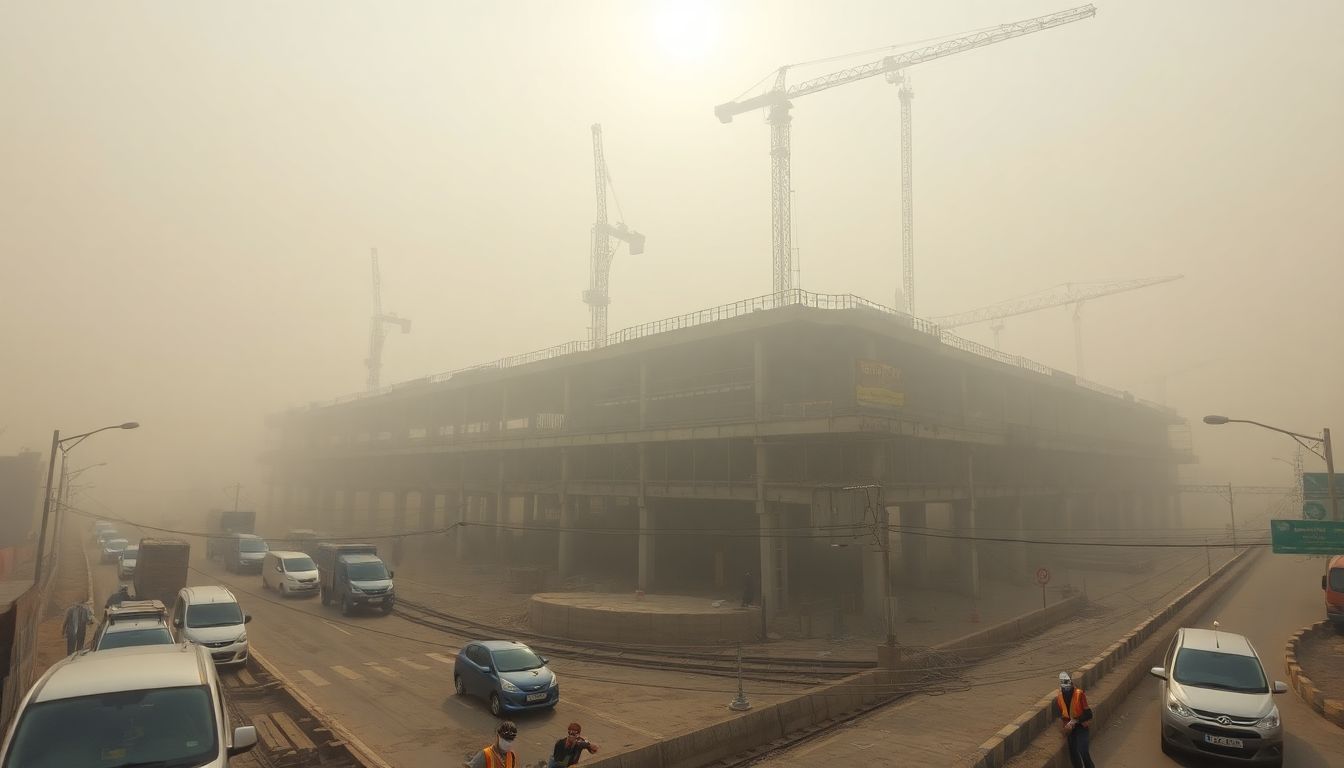
Major infrastructure projects across Delhi are set to continue operating despite an upcoming winter ban on construction and demolition activities, raising concerns among experts that exemptions will worsen the city's severe dust pollution crisis. The Delhi government has scheduled a complete prohibition on construction and demolition from December 10 to January 20, but essential public works remain shielded under the Graded Response Action Plan (Grap).
Under Grap guidelines, projects involving metro rail, railways, airports, hospitals, and water and sewage treatment facilities enjoy exemptions that persist even under Stage IV, the most stringent level of curbs. Outside the complete ban period, the capital's Winter Action Plan prohibits dust-generating demolition and outdoor civil construction from November 1 to January 31, while similarly granting leeway to essential public infrastructure.
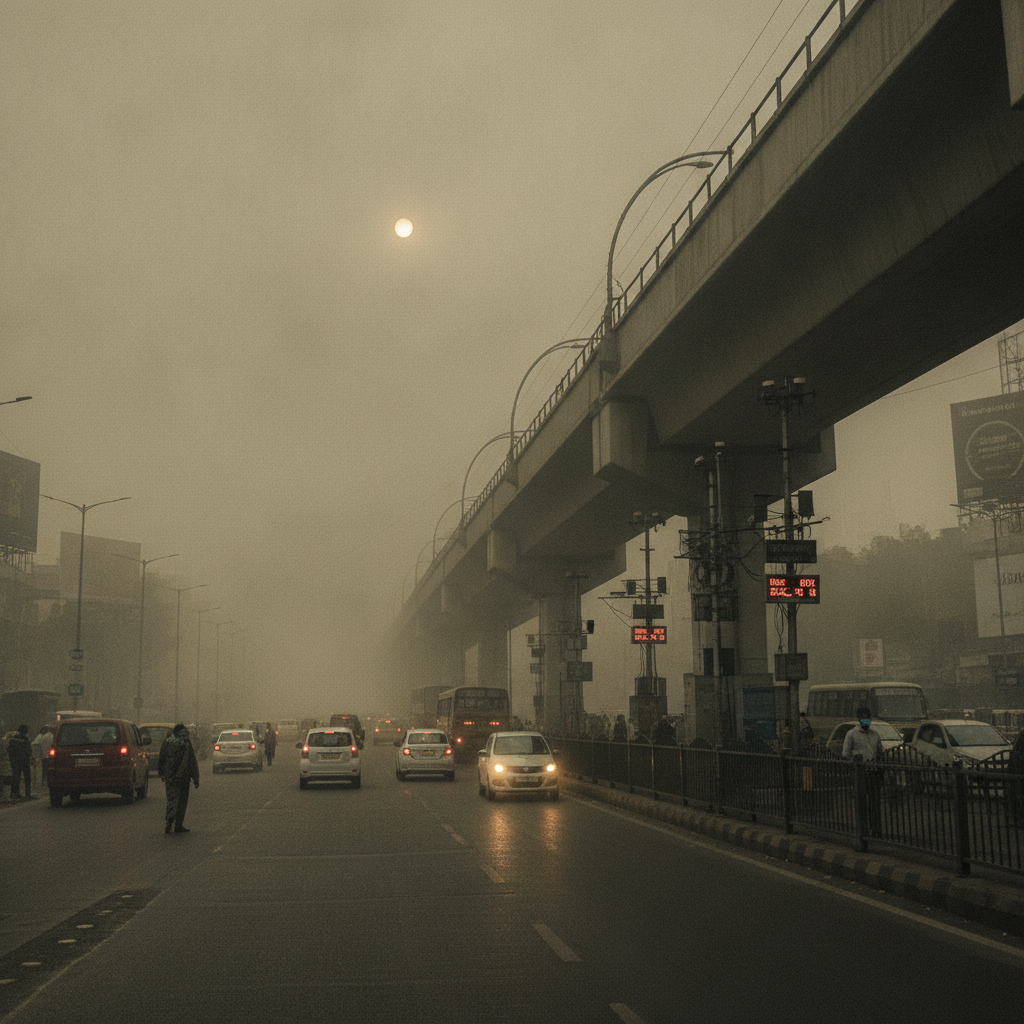
The exemptions leave numerous large-scale works active across key transit corridors. In south Delhi, metro expansion and elevated road works continue along Mehrauli-Badarpur Road and Josip Broz Tito Marg between Chirag Delhi and Siri Fort. The Public Works Department is also extending flyovers near Modi Mill and Kalkaji Temple. In east Delhi, workers are building a flyover between Yamuna Vihar and Bhajanpura, carrying out drainage work between Karkari Mor and Shahdara, and constructing the Bhairon Marg underpass, which is slated for completion by February.
Air quality monitoring data indicates significant localized dust spikes near active sites. Between October 22 and 29, south Delhi monitoring stations at CRRI Mathura Road, Siri Fort Stadium, and IIT Delhi recorded daily average PM10 levels consistently above the citywide average. At IIT Delhi, PM10 remained above 250 micrograms per cubic metre on six of the eight days, peaking at 318.60 on October 28, while the citywide average remained below 230 on all but one day.
Traffic police officers reported that loose excavated soil left exposed at work sites poses a recurring hazard. An unnamed officer noted that excavated soil frequently spills onto carriageways, turns to mud during rain or dust-suppression sprinkling, and is kicked back up into the air as dust once dry. Site inspections revealed gaps in dust-control protocols at the Modi Mill flyover and along Mehrauli-Badarpur Road, where barricades were spaced too far apart and green tarpaulins were largely absent.