Swaraj Political History Exhibition to Open at India Habitat Centre on August 12
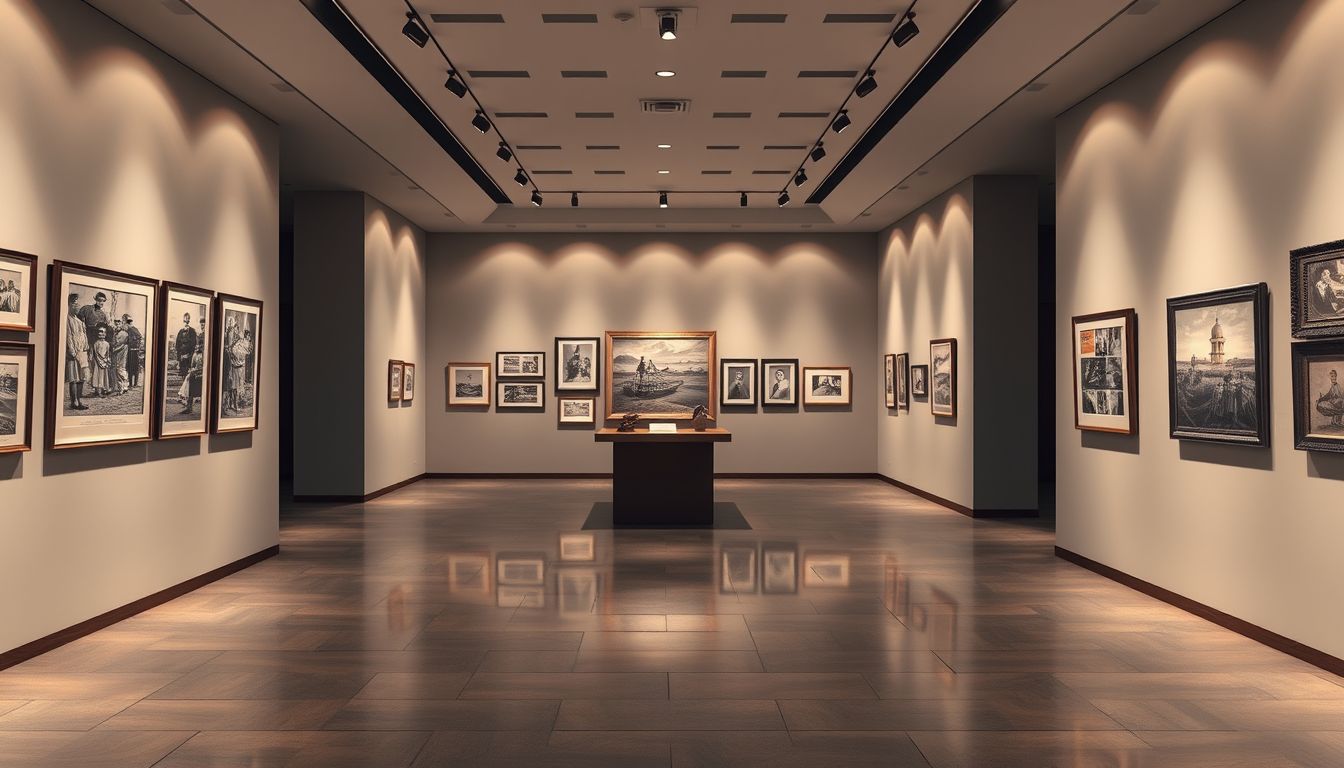
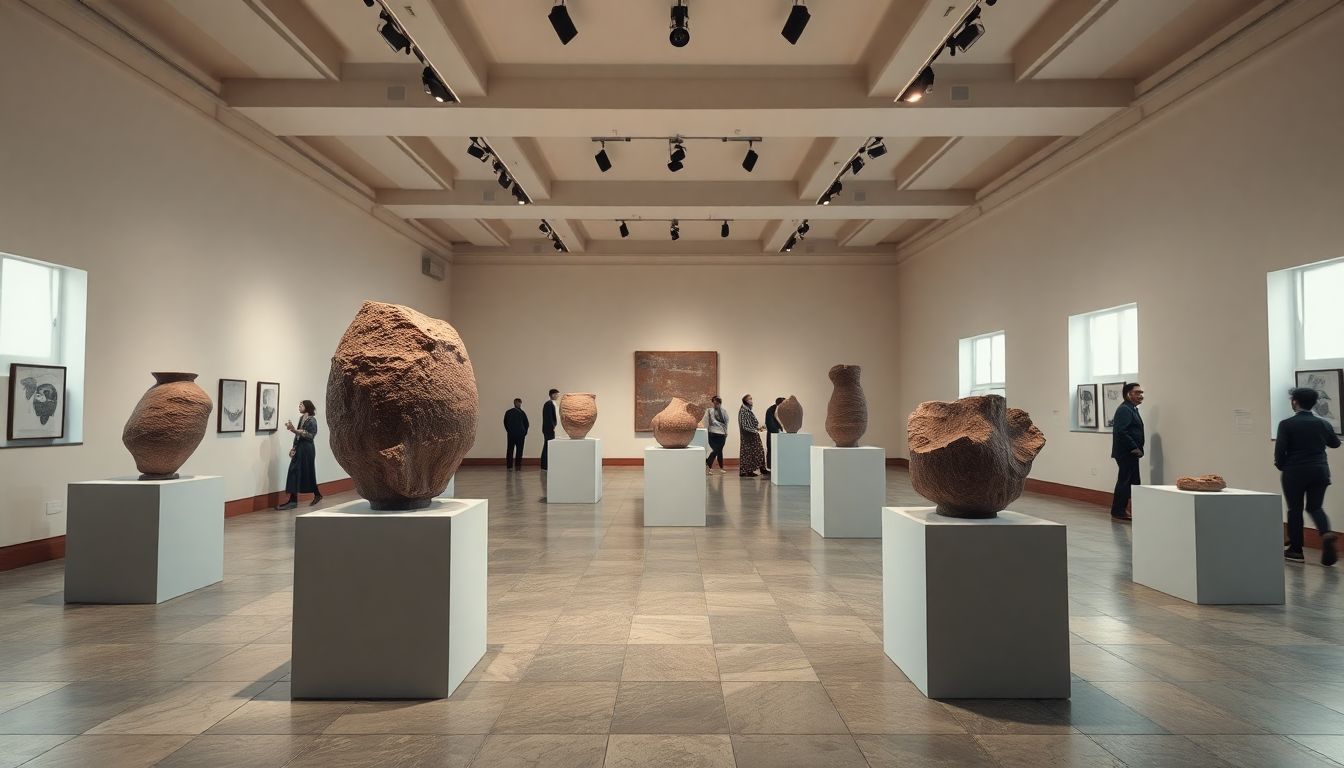
A new exhibition titled "Swaraj: Revisualising India’s Political History" will open at the Visual Arts Gallery inside the India Habitat Centre on Lodhi Road, New Delhi, on August 12. Curated by Neville Tuli, founder of The Tuli Research Centre for India Studies (T.R.I.S.), the five-day exhibition brings together artworks, photographs, books, prints, film publicity art, memorabilia, and historical archives to trace India's long journey toward self-rule and political self-discovery.
The exhibition, which runs through August 16, offers free entry to the public between 11 am and 7 pm daily, with an official preview scheduled for August 12 at 6 pm. Rather than treating history as a static timeline of events, the showcase explores how the nation experienced, recorded, and remembered its political transformation through visual and material culture.
The visual narrative begins with early European coastal views of India and the intellectual awakening of the Bengal Renaissance, progressing through the First War of Independence in 1857, the rise of Indian printing presses, political propaganda, photojournalism, and cinema. Prominent symbols that influenced the national imagination, such as Bharat Mata, Mother India, and the evolving Tiranga, are highlighted alongside images of Mahatma Gandhi and other key historical personalities, including Swami Vivekananda, Dadabhai Naoroji, the Tagore family, Bal Gangadhar Tilak, Rash Behari Bose, Annie Besant, C. Rajagopalachari, Jawaharlal Nehru, and Netaji Subhas Chandra Bose.
In addition to celebrating political awakening, Swaraj examines challenging periods in the nation's past. The exhibition covers the trauma of Partition, the framing of the Constitution, the integration of princely states, the Emergency, military conflicts, communal tensions, and various grassroots protests and movements that interrogated power structures.
Among the archival materials on display are historical media such as newspapers, journals, and rare photography. Highlights include 1858 photographs by Felice Beato, Henri Cartier-Bresson's images capturing Mahatma Gandhi's final days, and Reuters photojournalism documenting political unrest and protests during the 1980s and 1990s. The exhibition also displays works by artists including Chittaprosad, Gobardhan Ash, Ramkinkar Baij, Qamarul Hassan, Altaf, Prokash Karmakar, Vivan Sundaram, and Sudhir Patwardhan.
Everyday objects form another component of the display. Visitors can view matchbox tin covers from around 1921 featuring misprinted names of Swadeshi leaders, Ramendranath Chakravorty's "Gandhiji at Dandi", Chittaprosad's 1942 "Quit India", pictures from the Madan Mahatta Archives, and Gigi Scaria's artwork "Who Deviated First?". The showcase closes with a segment titled "Gandhiji in Contemporary India," which examines Gandhi's legacy within modern debates around dissent, citizenship, democracy, and national identity.