Supreme Court Says Delhi Law Protecting Illegal Builds Hinders Yamuna Plan
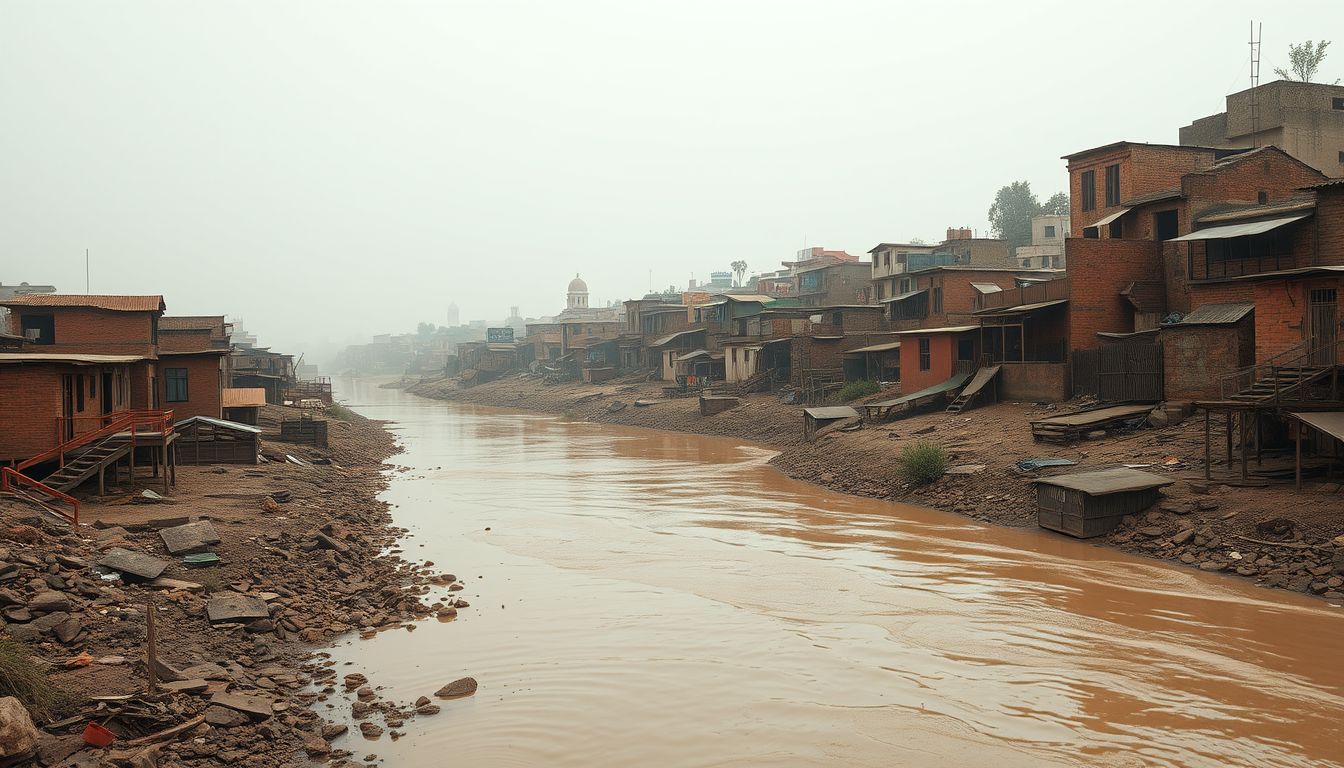
The Supreme Court on Wednesday criticized the repeated extensions of a 2006 Delhi law protecting unauthorised constructions, observing that the legislation has fostered ad-hocism in governance and threatens to undermine plans to clear encroachments along the Yamuna riverbed. A bench comprising Justices Manoj Misra and Manmohan made the observations during a hearing on the Yamuna Action Plan, noting that statutory protections have previously blocked the removal of encroachments in specific areas, such as a basti in Nizamuddin West that caused backflow and flooding in Maharani Bagh during the monsoon.
The court was hearing proceedings regarding the preparation of a comprehensive conservation strategy for the Yamuna, which flows through Delhi and several other states. In May, the bench had constituted a committee headed by the Union home secretary to prepare the Yamuna Action Plan. During Wednesday's hearing, the bench warned that the continued protection granted under the National Capital Territory of Delhi Laws (Special Provisions) Act, 2006, could make it difficult to implement the proposed conservation plan.
Originally enacted as a temporary measure, the 2006 law provides protection from sealing and demolition to unauthorised colonies, slums, and unauthorised constructions. The legislation has been extended repeatedly, most recently in 2023 until December 31, 2026. The bench remarked that while the life of a Master Plan for Delhi is roughly 20 years, the implementation of such planning has been frozen for two decades because of the special legislation.
Additional Solicitor General Aishwarya Bhati informed the court that the Master Plan for Delhi 2047 had been finalized and tabled. In response, the bench stated that a city cannot be governed under conditions where master plans are not allowed to be implemented. Justice Manmohan recalled his experience as acting chief justice of the Delhi High Court, stating that when authorities sought to clear the Nizamuddin West basti blocking natural water flow into the Yamuna, the political administration cited the 2006 Act to prevent action.
Senior advocate K Parmeshwar, assisting the court as amicus curiae, stated that pursuant to the court's May 21 order, the Union home secretary-led committee had prepared a draft Yamuna Action Plan but required more time before finalising it. Parmeshwar agreed to examine the impact of the 2006 Act and submit suggestions to the bench.
In its May 21 order, the court noted that encroachments along the riverbed, particularly in fragile Zone 'O', alongside illegal industrial effluents and untreated sewage, had reduced the Yamuna to little more than a sewage channel. The court granted the committee additional time to submit its final strategy and scheduled the next hearing for September 22.