Sonam Wangchuk Begins Indefinite Hunger Strike at Jantar Mantar over Ladakh Demands
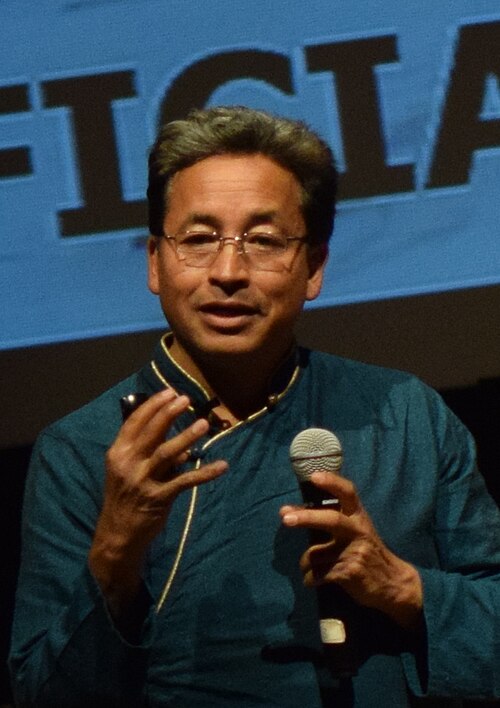
Climate activist and educationist Sonam Wangchuk on Monday began an indefinite fast at Jantar Mantar in New Delhi, demanding constitutional safeguards, statehood, and Sixth Schedule inclusion for Ladakh. Wangchuk launched the protest after negotiations between representatives of Ladakh and the Indian Central Government failed to make progress on long-pending demands.
Wangchuk stated that he was compelled to return to the streets because promises made by the central government to the people of the Union Territory remained unfulfilled. He expressed sadness over having to fast again, noting that he had hoped the movement would be resolved through dialogue.
"I am sad I have to sit on a fast again. I am not doing it happily; it is not easy either. I may even die, but even if I die, I will not step back," Wangchuk said.
The activist has been leading a campaign seeking greater political representation, statehood, and constitutional safeguards under the Sixth Schedule for Ladakh. Wangchuk was previously detained under the National Security Act (NSA) during the 2025 Ladakh protests and was released in February this year.
According to Wangchuk, a meeting was held on February 4 while he was in custody, followed by another meeting on May 22 after his release. Although the May 22 talks raised expectations of restoring trust, Wangchuk alleged that the central government is now shying away from putting the conclusions of those discussions on paper.
Wangchuk pointed to a long-standing trust deficit, referencing unfulfilled promises regarding the Sixth Schedule dating back to 2013-14. Despite the breakdown in talks, he emphasized that he has not lost faith in dialogue and hopes the government will realize its commitments.
During the protest, Wangchuk urged Parliament to debate the issues raised by the protesters in its upcoming session and called on political parties to support the movement. He also appealed to young protesters to remain peaceful and not to fear imprisonment, sharing that his own experience in custody was transformative.
Wangchuk highlighted the ecological and strategic importance of Ladakh, warning that leaving the issues of the border region unresolved is not in the country's interest. He stated that his movement remains rooted in environmental conservation and education.