Researchers Propose AI Digital Twins to Test Cancer Care Before First Dose
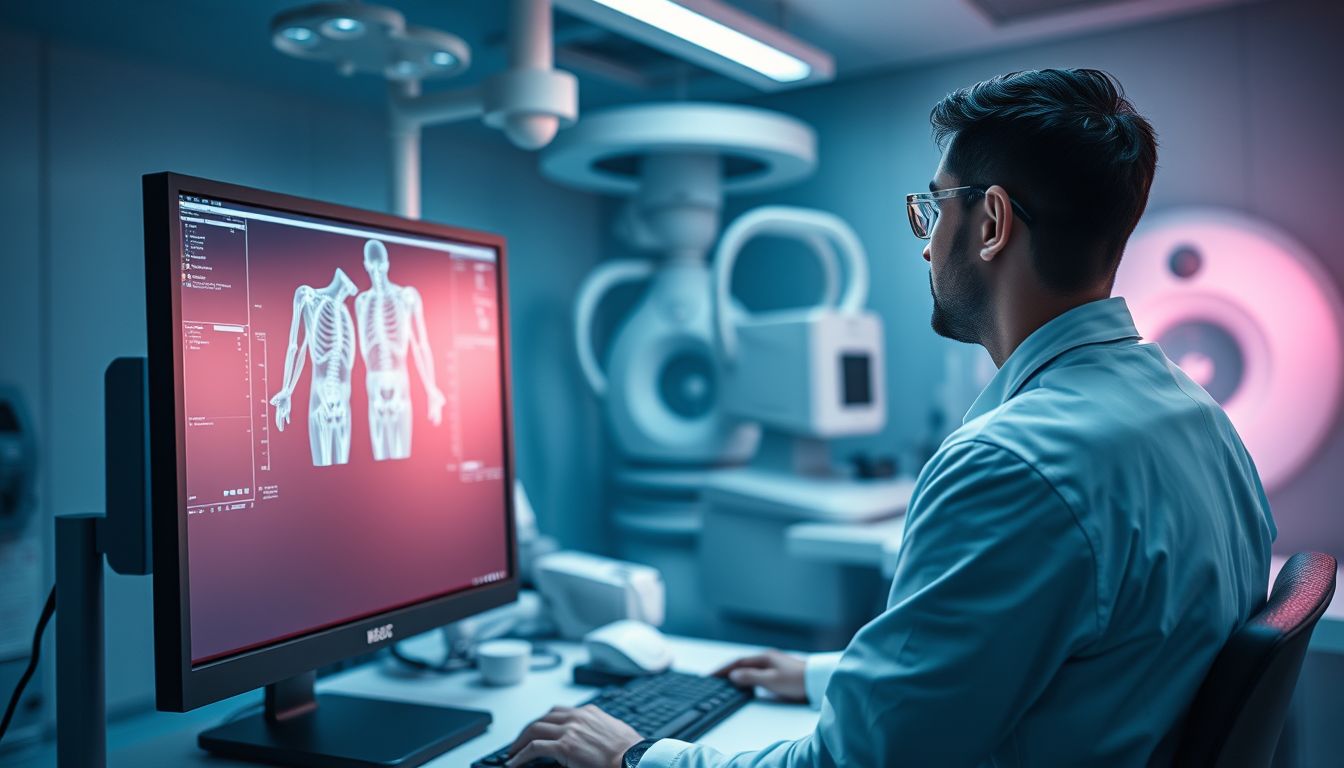
Nuclear medicine researchers, including a specialist from Sarvodaya Hospital in Faridabad, have outlined a framework to develop virtual digital twins of cancer patients to simulate and predict treatment responses before administering radioactive therapies.
The concept was published in the journal Frontiers in Biomedical Technologies in a research paper titled “Digital Twins in Nuclear Medicine: A Pathway to Personalized Theranostics.” The study was authored by Swagat Dash, associate director and head of Nuclear Medicine at Sarvodaya Hospital, Faridabad, along with researchers from Geneva University Hospital in Switzerland, and Razavi Hospital and Bushehr Medical University Hospital in Iran.
The framework builds upon theranostics, a form of precision cancer care where molecular imaging identifies cancer cells carrying specific markers, followed by the delivery of targeted radioactive medicines. For instance, in prostate cancer, a PSMA PET scan uses a radioactive tracer to locate cancer cells carrying the PSMA protein, after which targeted radioactive drugs such as lutetium-177 PSMA can be deployed.
Because patients with similar cancers can respond differently to identical therapies, the proposed theranostic digital twin is designed to combine patient scans, clinical information, blood tests, and artificial intelligence with models of radioactive drug behaviour.
Through these digital simulations, doctors could assess which specific dose would most effectively attack a tumour while restricting radiation exposure to healthy organs. The model also aims to predict patient response rates and anticipate side effects in sensitive areas such as the kidneys or bone marrow.
Dr Dash noted that instead of waiting to evaluate whether a treatment succeeds after it has begun, medical practitioners could test and compare multiple treatment scenarios on a patient's digital twin to determine the most appropriate approach beforehand.
The paper referenced earlier clinical findings in prostate cancer showing that patients whose tumours absorbed more tracer during PSMA scans recorded a 91% treatment-response rate, compared with 52% among patients with lower absorption.