Partition Museum and IGNCA Mark Partition Horrors Remembrance Day
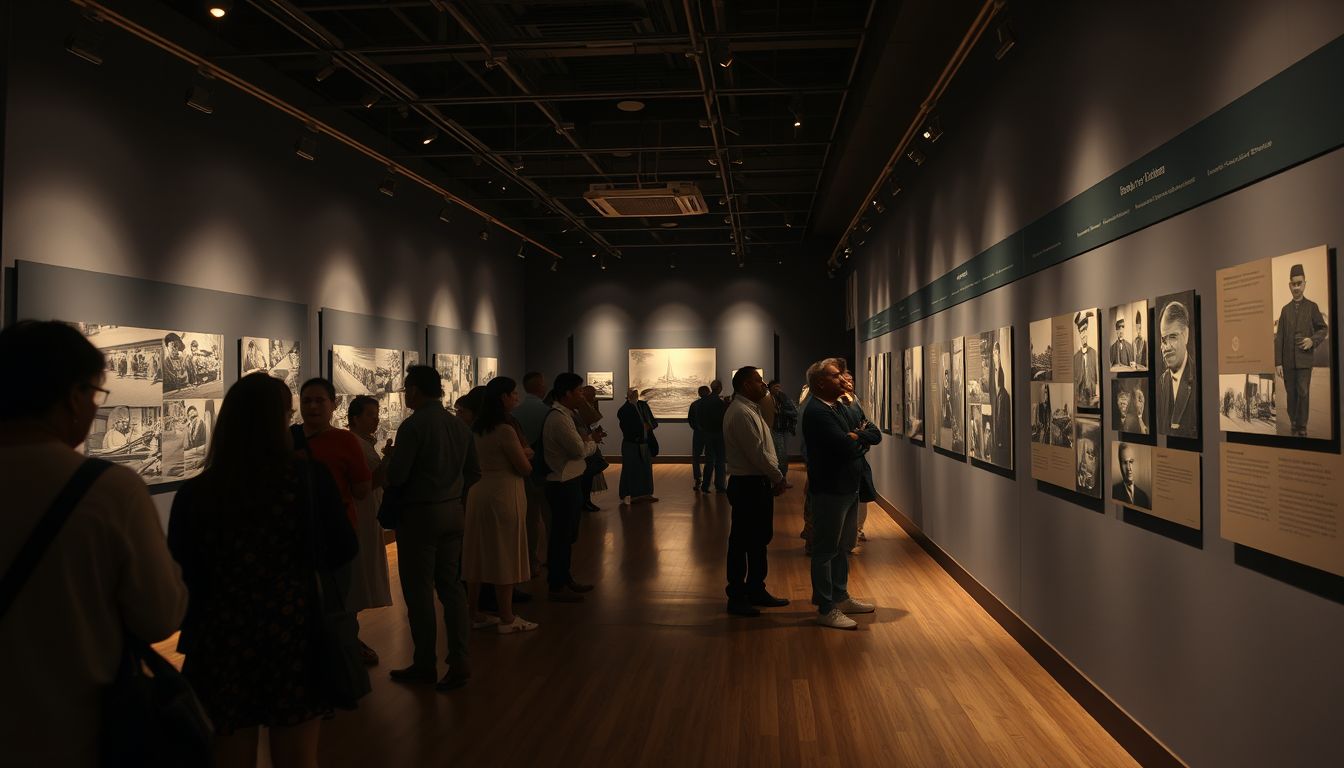
The Partition Museum, in collaboration with the Indira Gandhi National Centre for the Arts (IGNCA), commemorated the 79th year of the Partition on Partition Horrors Remembrance Day on August 14, highlighting the personal histories that helped shape Delhi neighbourhoods such as Lajpat Nagar, Punjabi Bagh, and Model Town.
The commemoration brought forward stories and experiences of displacement, violence, and loss endured by the generation that witnessed the division of the country in 1947. Speakers and attendees stressed the importance of preserving these memories as the generation that lived through the events grows older.
In a written message to the gathering, Delhi Lieutenant Governor Taranjit Singh Sandhu noted that localities like Lajpat Nagar, Punjabi Bagh, and Model Town were established through the rehabilitation of Partition refugees, as was Khan Market. He stated that families arriving with minimal possessions rebuilt their lives and contributed significantly to the city's economic, social, and cultural foundation, warning that without active preservation, Partition risks being reduced to dates and statistics.
Several personal testimonies were shared at the event. Sudha Bhattacharya, 74, whose parents relocated to Delhi from Dera Ghazi Khan in May 1947, discussed her efforts to archive family memories for future generations. Former United Nations Assistant Secretary-General Lakshmi Puri shared her father's experiences, emphasizing that remembering these events serves as a vital lesson in fostering unity and harmony.
Sachchidanand Joshi, member secretary of the IGNCA, underscored the urgency of collecting first-hand accounts, noting that children from 1947 are now entering their late eighties and nineties. Kishwar Desai, founder and chair of the Partition Museum, described how the institution's seven galleries document the journey from anti-colonial resistance to the aftermath of displacement, ending with the Gallery of Hope and Courage to showcase how communities supported one another through recovery.