Open-Ended Caste Format in Census 2027 Raises Concerns for Muslim Biradaris
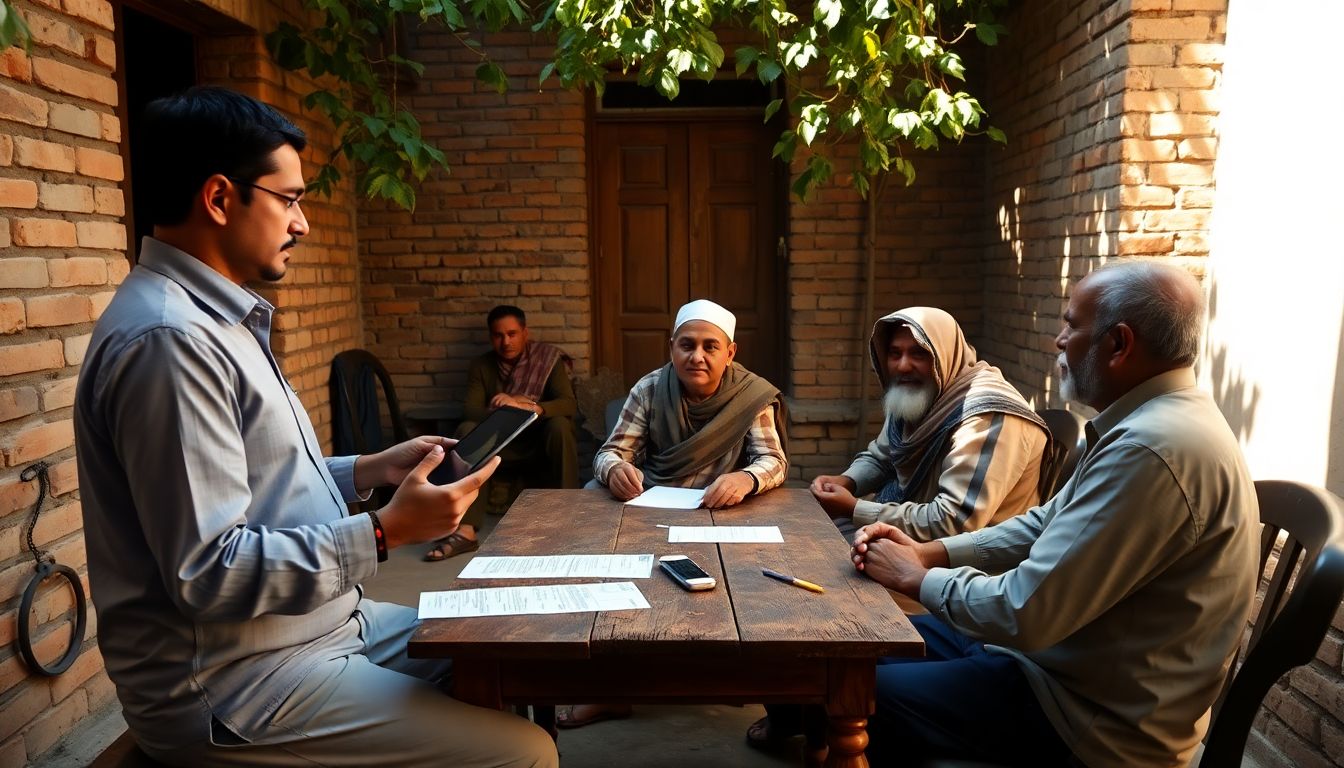
The open-ended format for recording caste in Census 2027 is creating significant challenges for Muslim biradaris in New Delhi and across the country, where caste, occupation, surname, and social identity frequently overlap. Caste is being recorded in the national census for the first time since 1931, but while Scheduled Caste and Scheduled Tribe respondents will be mapped against standardised categories, Other Backward Class and General respondents must enter their caste in an open text field.
Community representatives and sociologists warn that fluid naming practices and regional variations could lead to fragmented and unmanageable data. For instance, weaving communities may be recorded variably as Julaha, Ansari, or Momin, while meat-trading groups are recorded as Qureshi, Kasab, Kasai, Chikwa, or Khatik depending on the region.
Atif Rasheed, former vice-chairman of the National Commission for Minorities and president of the Rashtrawadi Muslim Pasmanda Mahaz, noted that many occupational groups adopted alternative surnames over time to escape occupational stigma. While meat-trading communities use Qureshi in Delhi and Uttar Pradesh, they are referred to as Khatig in Maharashtra and Gujarat. Rasheed stressed that accurate enumeration is essential to reveal socio-economic realities regarding unemployment, jobs, and representation for Pasmanda Muslims, who are estimated to comprise 80 to 85 percent of the Muslim population.
Dr Khalid Anis Ansari, a sociologist at Azim Premji University, warned that open entries risk repeating errors seen in the 2011 Socio-Economic and Caste Census, which documented more than 46 lakh caste names compared to 4,147 recorded in 1931. Ansari recommended using standardised classifications alongside an "Others" option to avoid inaccurate categorisation of micro-communities.
Discrepancies in caste nomenclature have frequently led to legal disputes across India regarding education quotas, employment eligibility, and election reservations. The complexity is compounded by variations between state and Central OBC lists, as well as the 1950 Presidential Order that restricts Scheduled Caste status to Hindus, Sikhs, and Buddhists, keeping Dalit Muslims within the OBC classification.