NGT Gives Delhi Jal Board Four Weeks to Explain Rainwater Harvesting Lapses
NEW DELHI — The National Green Tribunal has granted the Delhi Jal Board four weeks to explain alleged continued violations of its directives regarding rainwater harvesting and groundwater recharge systems across the national capital.
The directions were issued during a hearing on August 19 concerning an application that alleged non-compliance by several public agencies, including the Delhi Jal Board (DJB), the Delhi Development Authority (DDA), the New Delhi Municipal Council (NDMC), the Municipal Corporation of Delhi (MCD), and the National Highways Authority of India (NHAI).
According to the submissions before the tribunal, several deficient groundwater recharge systems remain operational across the city without necessary corrective measures or groundwater monitoring mechanisms in place. The DJB had previously submitted a compliance affidavit in August last year detailing the measures it had taken to adhere to the tribunal's earlier orders.
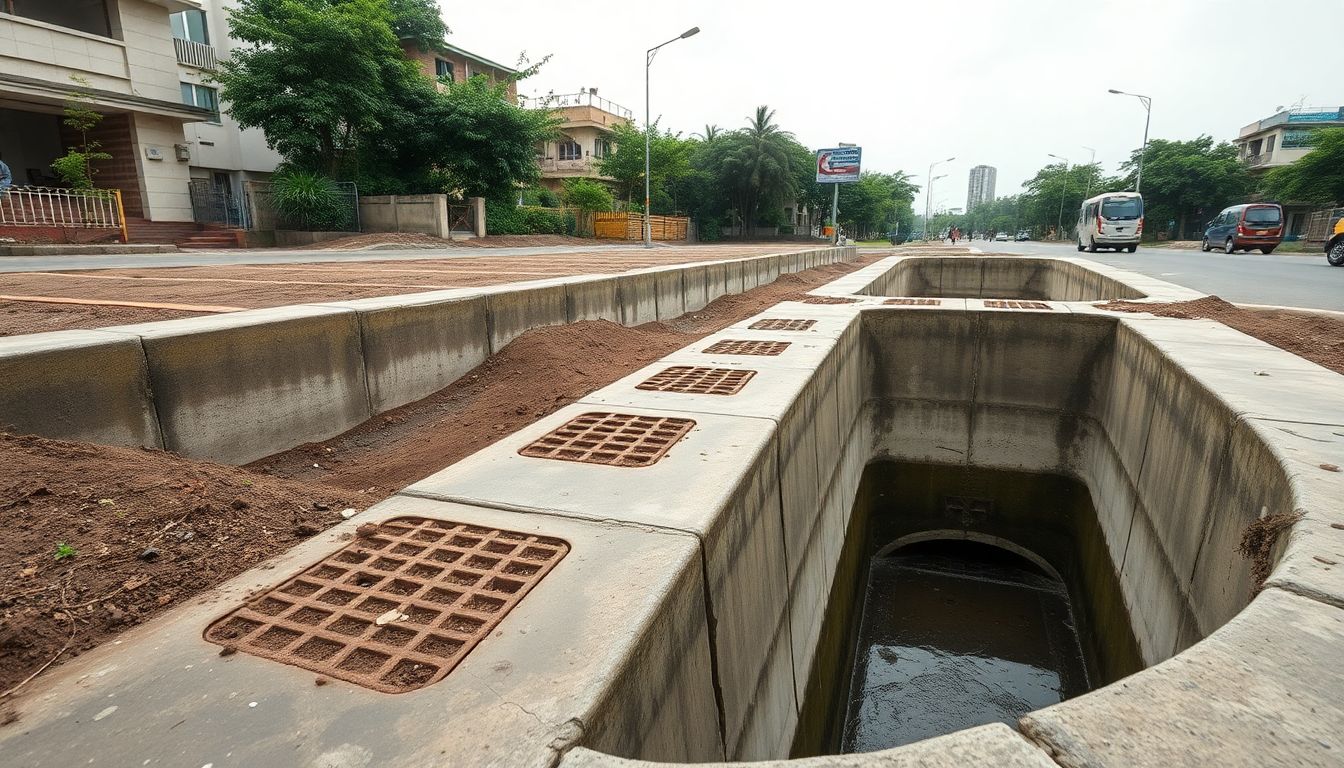
A primary issue raised during the proceedings involves the placement of rainwater harvesting structures. The tribunal had earlier mandated that these systems must be kept away from stormwater drains to avoid contaminated runoff from seeping into the groundwater table during the recharge process. However, the applicant alleged that multiple harvesting units in the capital continue to violate this safety requirement.
The applicant also pointed out that the DJB has failed to set up piezometers near rainwater harvesting units to monitor groundwater levels and track the quality of the water being recharged. The submission stated that not a single piezometer has been installed by the water utility, despite nearly seven years having passed since the original directive was issued.
Additionally, serious concerns were raised regarding the depth of recharge borewells. While the tribunal's guidelines mandate that recharge borewells must terminate at least five metres above the static water table, the applicant alleged that several existing borewells have been drilled to depths of 100, 200, and up to 400 feet from the water level.