NDMC Gives Lutyens Delhi Bulk Waste Generators Six Months to Process Garbage In House
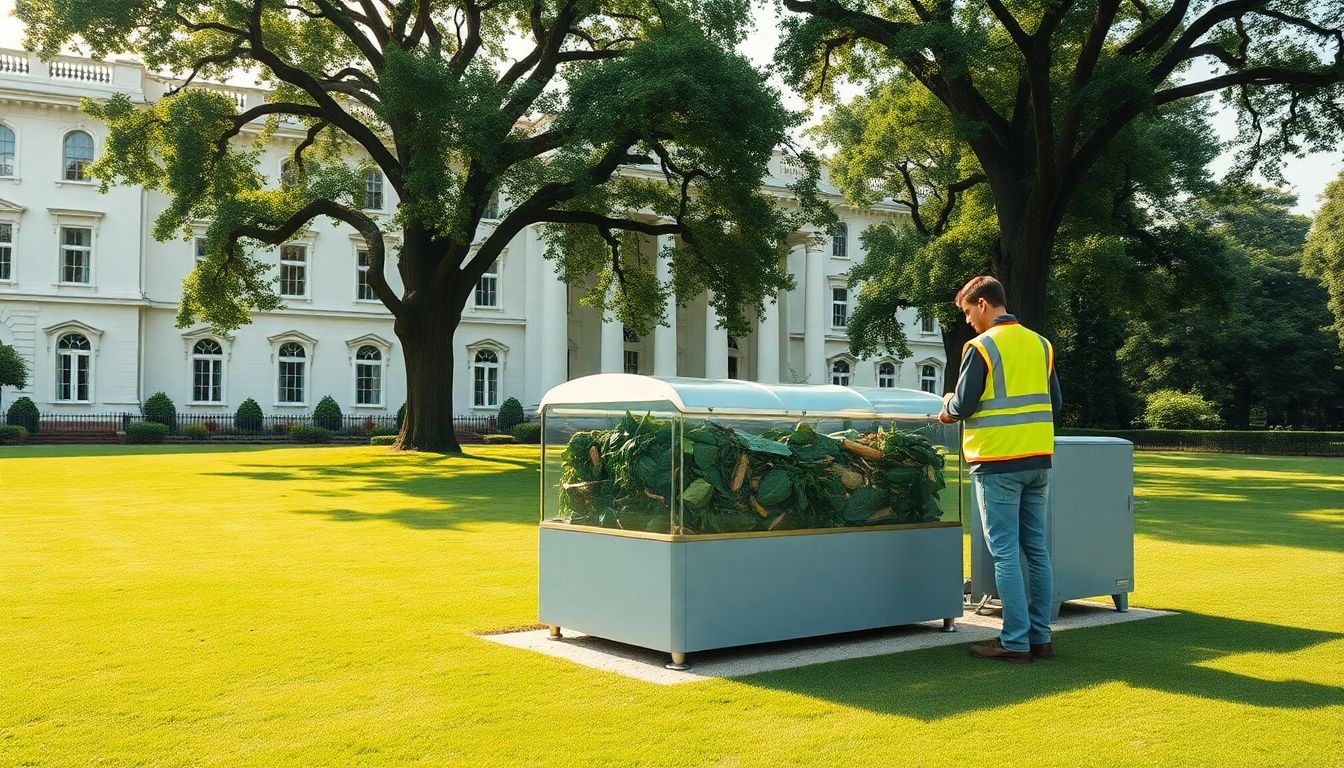
The New Delhi Municipal Council (NDMC) has started issuing notices to bulk waste generators in Lutyens’ Delhi, giving them a six-month deadline to establish decentralized, in-house waste processing. The directive, aligned with the Solid Waste Management (SWM) Rules, 2026, requires large-scale waste producers to manage their garbage directly within their premises.
Under the new framework, the NDMC has already identified 30 bulk waste generators. These include the Gymkhana Club, key local hotels, and several government departments. The civic body is currently conducting an extensive survey based on water consumption and total area to identify additional establishments that fall under this category.
According to the revised definitions, bulk waste generators include gated colonies, cooperative group housing societies, educational institutes, commercial establishments, hotels, banquet halls, hospitals, and residential societies. To be classified as such, an establishment must generate more than 100 kilograms of waste per day, occupy an area of 20,000 square meters or more, or consume 40,000 liters of water daily.
In addition to mandatory on-site processing, the SWM Rules 2026 require a four-way waste segregation system and introduce stricter penalties for non-compliance. The penalty for littering is set to increase tenfold, rising from ₹50 to ₹500 for each offence. Furthermore, keeping a dustbin has been made mandatory for all local street vendors.
To assist residents and organizations with the transition, the NDMC, in partnership with the Chintan Environmental Research and Action Group, launched a citizen handbook on Wednesday. Titled "Waste Wise Citizens – A Practical Guide to Making the Solid Waste Management (SWM) Rules, 2026 Part of Our Daily Lives," the publication translates the legal guidelines into accessible language.
NDMC Chairperson Keshav Chandra, who released the guide, stated that the publication aims to present the provisions in a simple format so citizens can easily adopt them. Bharti Chaturvedi, director of the Chintan Environmental Research and Action Group, added that the handbook serves as a practical reference to help bridge the gap between policy and daily practice.
The NDMC is currently finalizing the specific bylaws under these rules, which will require formal approval from the Central government before coming into force.