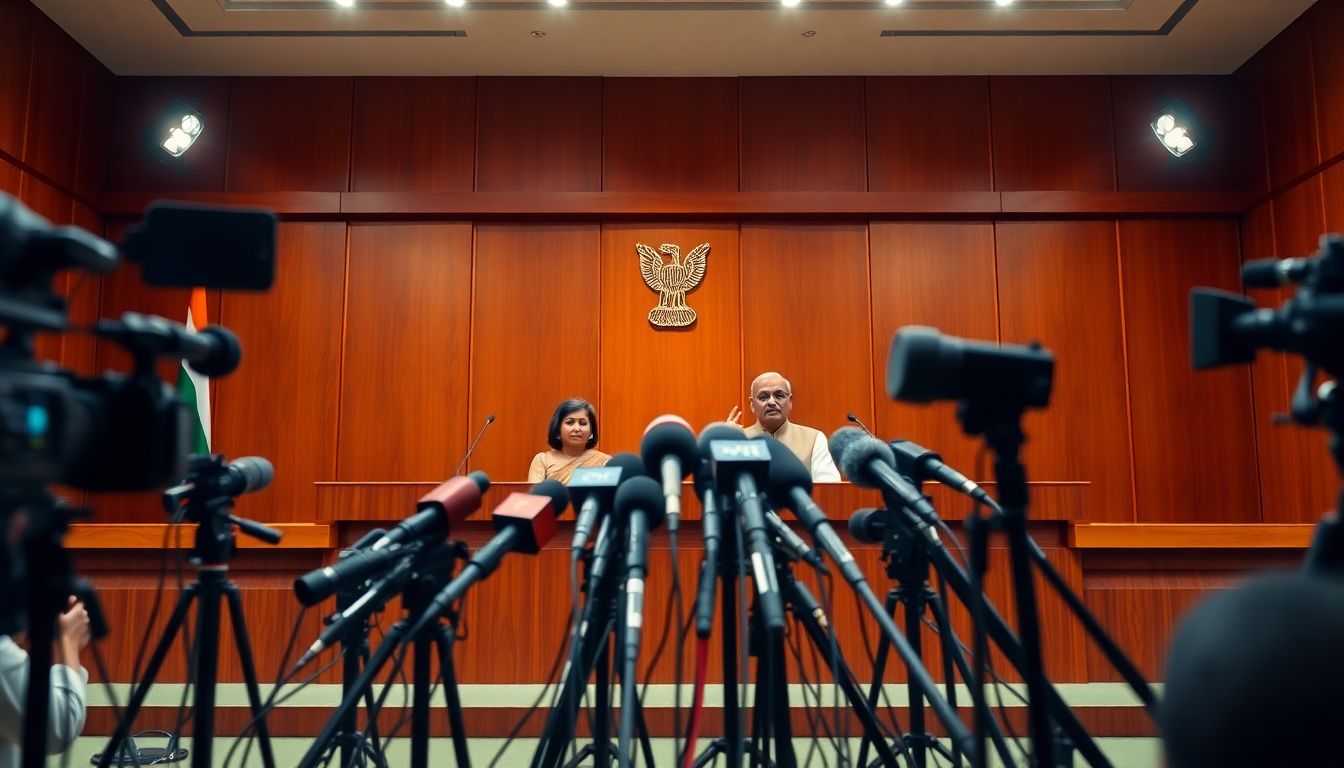
NCTE forms panel to probe irregularities at four MP B.Ed colleges
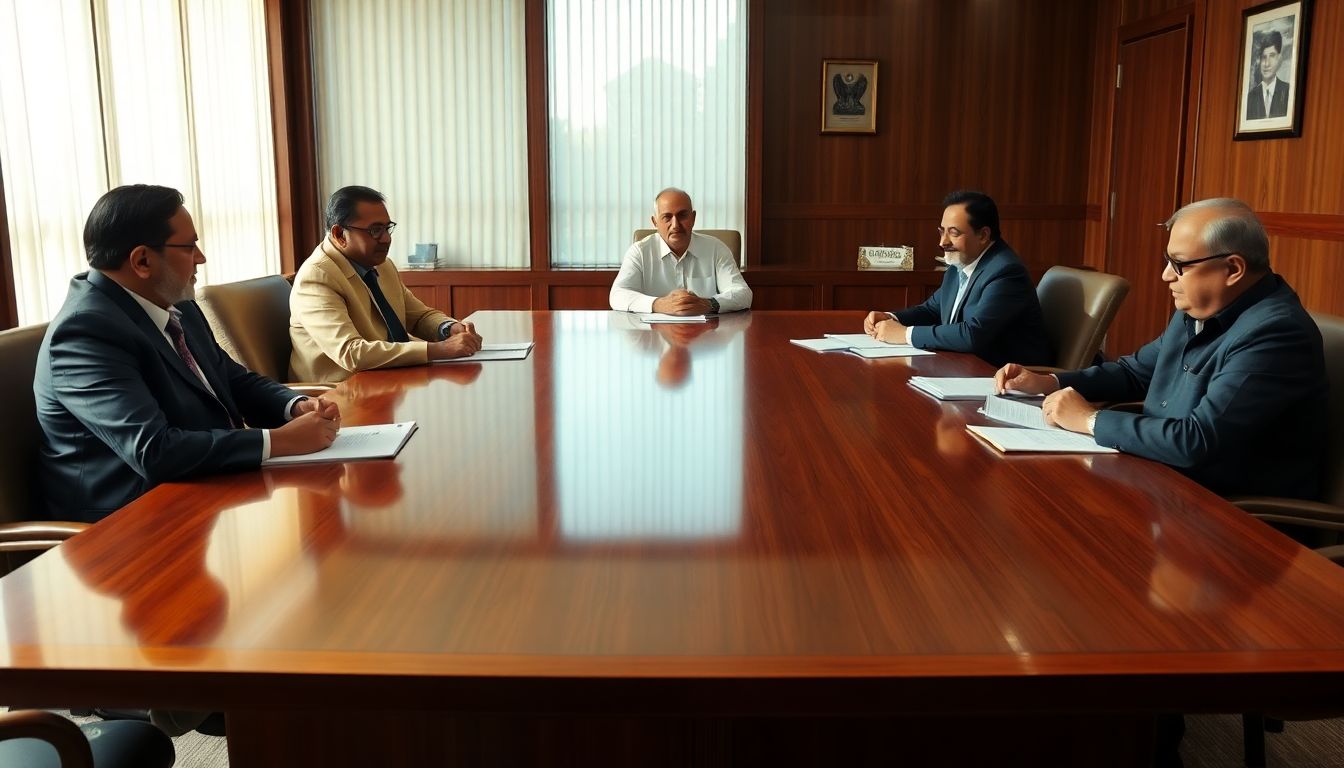
The National Council for Teacher Education (NCTE), headquartered in New Delhi, has officially constituted a five-member fact-finding committee to investigate serious irregularities, infrastructure deficiencies, and address discrepancies at four B.Ed colleges in Madhya Pradesh.
According to an official order issued on July 15, the independent panel has been tasked with conducting a detailed inquiry into allegations of non-compliance at these institutions, which are affiliated with Barkatullah University. The committee has been given a strict deadline to submit its comprehensive report within five working days.
The decision to form the committee follows recent media reports that highlighted serious irregularities at three of the B.Ed colleges affiliated with the university. These reports alleged that some of the institutions were not operating from their declared addresses and lacked the basic infrastructure mandated under established regulatory norms.
During a preliminary verification of these reports, officials discovered that a fourth institution was also operating from the same premises. This discovery prompted the NCTE to widen the scope of the investigation to include all four colleges under the same probe.
The five-member fact-finding committee is being headed by H.C.S. Rathore, the former vice-chancellor of the Central University of South Bihar. The other members of the panel include Ashima Mangla, who is the Joint Secretary at the University Grants Commission (UGC), Bhagwati Prasad Kalal, and J.P.
To ensure a thorough investigation, the NCTE has directed the panel to gather concrete proof. The committee must back its final comprehensive report with both documentary and videographic evidence collected during the inquiry.
The investigation will specifically focus on allegations of non-compliance, including colleges functioning from the same premises and failing to meet prescribed standards. The findings of this detailed probe will determine the compliance of regulatory standards by the colleges and may lead to regulatory action against the non-compliant institutions.