NCR Researcher Co-Authors Paper on Digital Twins for Personalised Cancer Care
A team of nuclear medicine researchers, including a specialist from Sarvodaya Hospital in Faridabad, has proposed the use of virtual patient models to simulate and predict responses to targeted radioactive cancer treatments before delivering the actual medicine.
The findings were outlined in a research paper titled “Digital Twins in Nuclear Medicine: A Pathway to Personalized Theranostics,” published in the journal Frontiers in Biomedical Technologies.
The paper was authored by Swagat Dash of Sarvodaya Hospital, Faridabad, alongside international researchers from Geneva University Hospital in Switzerland, Razavi Hospital in Iran, and Bushehr Medical University Hospital in Iran.
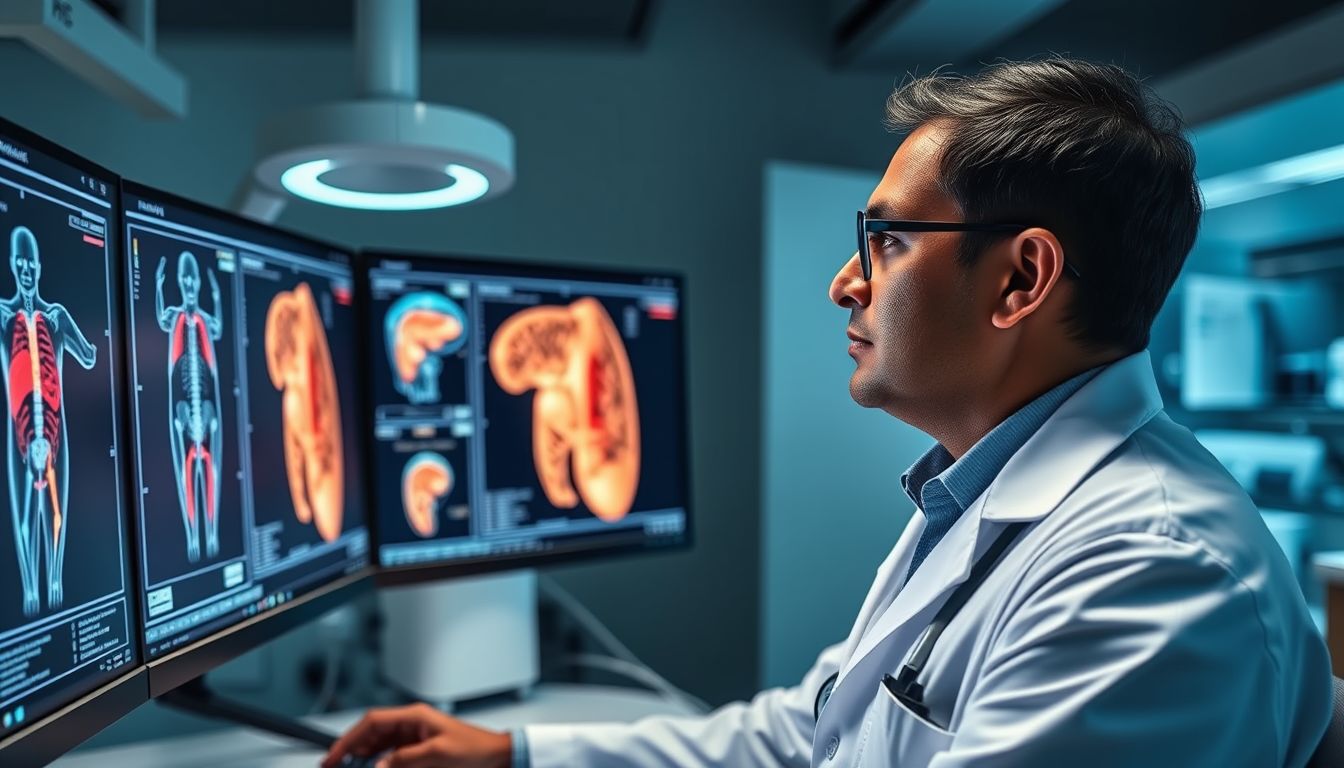
The research proposes the development and deployment of a “theranostic digital twin.” This system functions as a detailed computer model of an individual patient, enabling doctors to simulate various treatment scenarios and evaluate potential outcomes prior to administering radioactive therapy.
The approach builds upon theranostics, a specialised form of precision cancer care. Under this method, molecular imaging is first deployed to detect cancer cells that express a specific target, after which a targeted radioactive drug is administered to treat those cells.
As an example of this framework, the authors highlighted prostate cancer care using PSMA PET imaging. This specialized scan utilizes a radioactive tracer to locate prostate cancer cells carrying the PSMA protein, showing physicians where the disease is situated and how strongly it expresses the target required for treatment.