Navjeevan Vihar Families Adopt Zero-Waste Model to Keep Garbage Out of Landfills
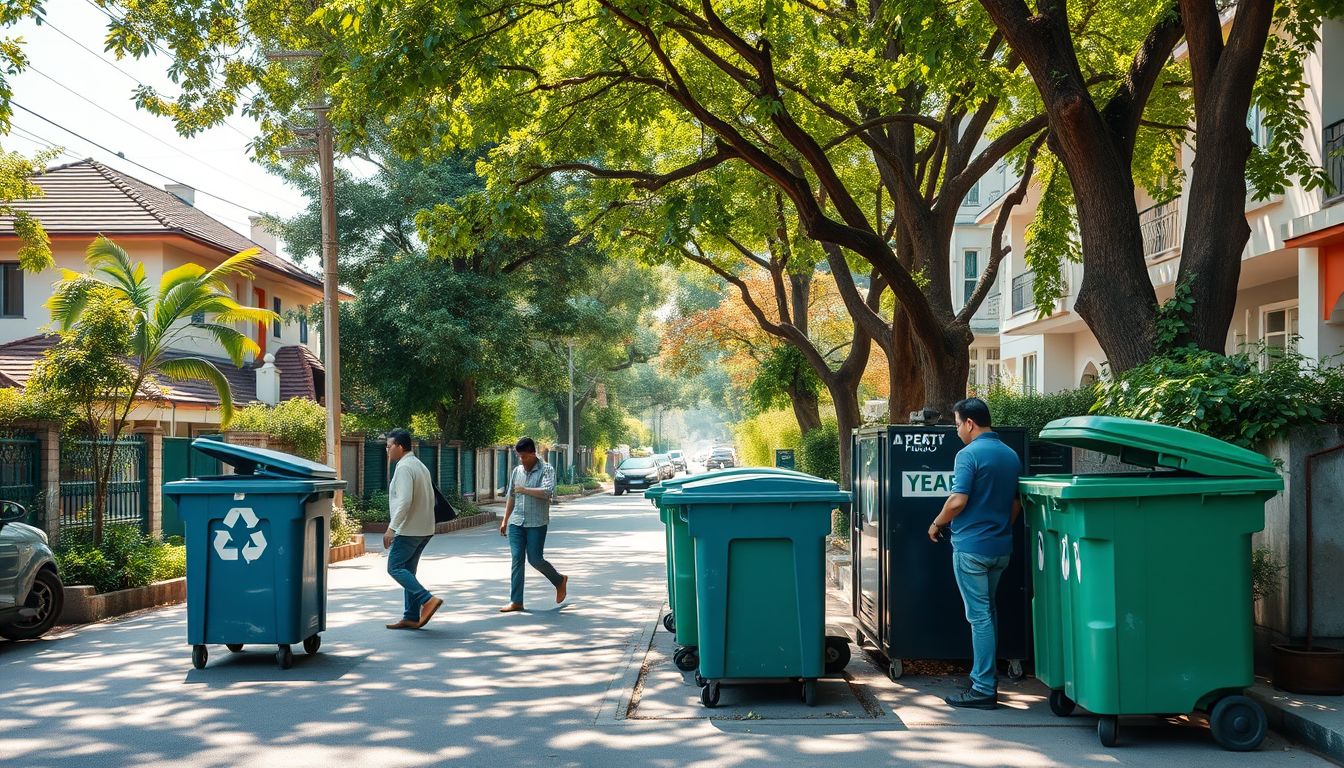
More than 280 families in south Delhi's Navjeevan Vihar locality have implemented a community-led "zero waste to landfill" model aimed at keeping household garbage entirely out of city landfills. The initiative relies on active resident participation, simple daily habits, and smart waste management to transform everyday household refuse into a functional resource.
The neighbourhood initiative is being driven by Dr. Ruby Makhija, who serves as the secretary of the Navjeevan Vihar Resident Welfare Association (RWA). Under the system overseen by the RWA, segregated waste from individual homes is routinely collected and transferred to dedicated processing and recycling facilities, preventing the colony's waste from ending up in a landfill.
The zero-waste model operates on source segregation, requiring residents to divide their waste into wet and dry components inside their homes. Kitchen waste, which includes vegetable and fruit peels, is processed directly within the colony boundaries to produce compost. This locally made compost is subsequently used to maintain greenery and assist with gardening within the area.
Dry waste collected from the homes, such as plastic materials, is directed into recycling channels rather than being discarded into municipal waste streams. By separating these materials at the household level, the initiative ensures that recyclable materials are properly recovered.
For local families, including the Banerjee household, segregating garbage has integrated into everyday routine. Resident Gopa Banerjee emphasized that source separation is essential for environmental protection, pointing out the distinct consequences of mixed versus segregated disposal.
Banerjee noted that mixing wet and non-biodegradable waste creates environmental harm. However, when wet waste is kept separate, it can be turned into compost, while dry waste can be processed for recycling.