Haryana Proposes Two Plans to Increase Yamuna River Flow in Delhi
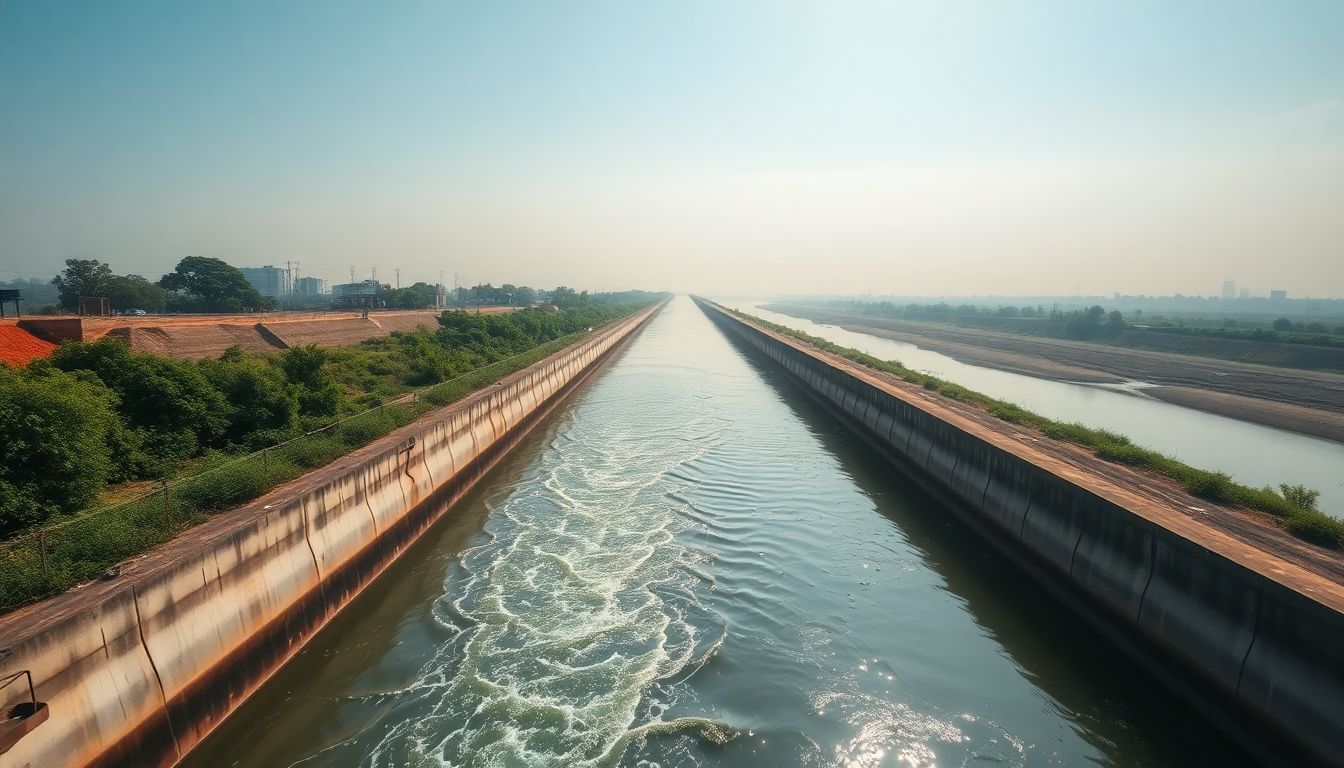
The Haryana government has proposed two plans to improve the environmental flow (e-flow) of the Yamuna river in Delhi, including remodelling parts of the Munak canal system that feed raw water to the Haiderpur water treatment plant. The proposals were presented during a Yamuna rejuvenation review meeting chaired by the Union Home Secretary last week, according to senior Delhi government officials.
Under the first plan, Haryana aims to curb water losses in the canal network by laying 25 kilometres of fresh pipelines from Khubru to the Kakroi head of the system at an estimated cost of ₹750 crore. This step would be followed by the rehabilitation of a 41.6-kilometre stretch of the Delhi Sub-Branch canal. The Munak canal system currently suffers water transmission losses of more than 30 percent, which officials state could drop below 5 percent after the completion of the remodelling work.
Haryana has proposed that the entire cost of remodelling the canal system be funded jointly by the Delhi government and the Union government. Under this arrangement, Haryana would ensure that 330 cusecs of water reaches Haiderpur, while all water saved from reduced transmission losses would be diverted into the Yamuna to enhance its e-flow.
The second long-term plan involves reserving water from three upcoming dam projects on Yamuna tributaries: the Lakhwar Dam, the Renukaji Dam on the Giri river, and the Kishau Dam on the Tons river. The proposal suggests reserving at least 20 to 30 percent of inflow water from these projects. If all basin states agree, the dams—scheduled to be commissioned between 2031 and 2034—could provide up to 754 cusecs of extra water for the river's flow.
Currently, the Yamuna stretch in the capital receives an allocated e-flow of 10 cumecs, which experts say is insufficient to maintain ecological health or clear pollutants. In 2023, a parliamentary panel on water resources advised raising the e-flow to at least 23 cumecs to maintain basic river functioning and prevent issues such as toxic frothing.