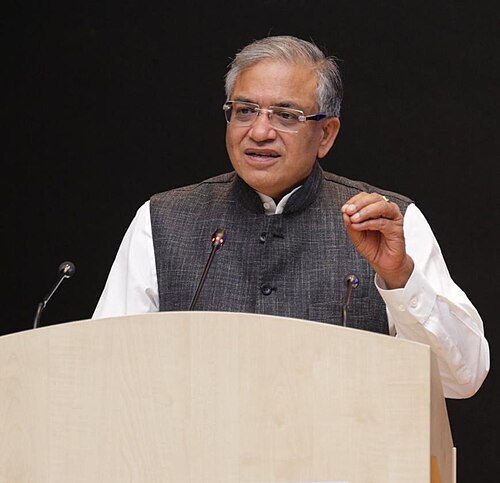
Giriraj Singh Inaugurates Weave the Future 5.0 at Handloom Haat in Janpath
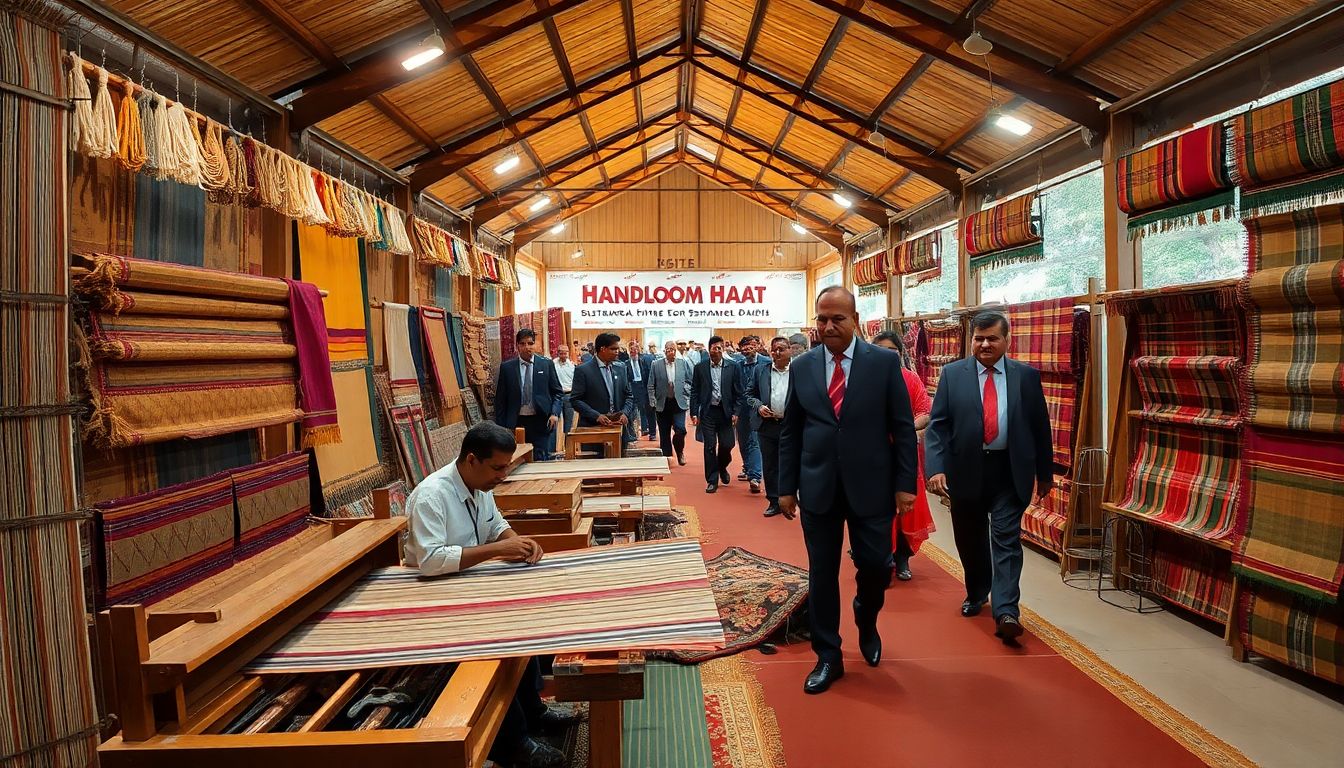
Union Minister of Textiles Giriraj Singh inaugurated the fifth edition of the sustainable textile exhibition 'Weave the Future' at Handloom Haat in Janpath, spotlighting regenerative handloom practices and indigenous natural fibres.
The exhibition, titled Weave the Future 5.0, brings together weavers, artisans, designers, and sustainability practitioners to highlight circular textile production models. Alongside the main exhibition, visitors were introduced to the Handloom Experience Centre, a re-envisioned space at Handloom Haat celebrating India's handloom traditions.
Speaking at the inauguration, Singh highlighted the environmental advantages of traditional weaving techniques. He noted that handloom maintains an inherently low carbon footprint and possesses significant potential as a sustainable fabric for fashion, clothing, and home décor. He stated that the government's focus is on strengthening the handloom ecosystem by boosting incomes, widening market access, and generating fresh opportunities for weavers across the country.
Dr M Beena, Development Commissioner (Handlooms), explained that the initiative presents handloom beyond conventional formats. She noted that the platform allows participating brands to exhibit innovative materials and fibres that are largely unfamiliar to the general public, creating educational opportunities for handloom enthusiasts. Ministry of Textiles Secretary Neelam Shami Rao was also present at the event.
Curated by Shubhi Sachan, founder of the Material Library of India, the showcase features a wide range of plant-based and local materials. Among the participants, Sushma Veerapa of Kandu presented naturally brown cotton cultivated with desi seeds by a network of 55 farmers, dyed using natural lily, wedeliya creeper leaves, and indigo.
Other exhibitors demonstrated alternative plant fibres. Varshne, founder of CRCLE, displayed items made from weganool—a fibre derived from the calotropis plant—along with bags crafted from traditional korai grass mats. Shubhangi Bajpai, founder of Salooka, exhibited garments made from Himalayan grass fibre combined with traditional chikankari embroidery.
Additionally, designer Hena Dasari of Tvastri showcased utility goods and bags made from banana fibre, cardamom fibre, water hyacinth, sitalpati, and madurkathi stalks, while Devica Sud of PilliKothi Home featured home furnishings using nettle (bicchu booti), bhimal, and mountain wool.
The venue also houses the Visvakarma Gallery, a permanent exhibition displaying rare textiles produced between 1981 and 1991 through collaborations between Weavers' Service Centres and artisan groups.