FYUP Graduates in Delhi Face Crisis Over Severe Shortage of One-Year Master's Seats
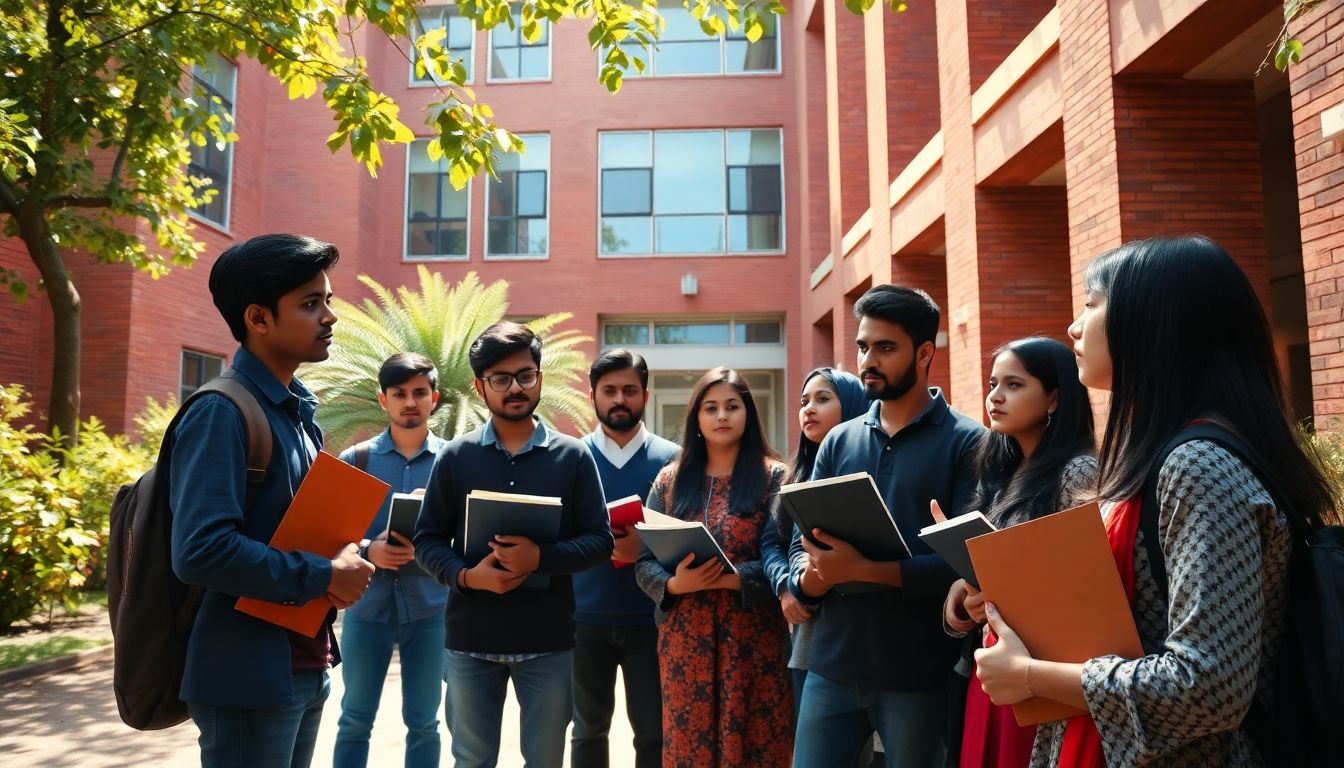
Thousands of students in Delhi from the first graduating batch of the Four-Year Undergraduate Programme face an uncertain academic future due to an acute shortage of one-year master's seats across universities. The issue, which sparked frustration during demonstrations at Jantar Mantar in July, has left graduates facing the prospect of losing an academic year or repeating coursework.
Under the National Education Policy guidelines, the four-year bachelor's degree is intended to lead into a one-year master's programme or direct entry into research. However, the total number of one-year post-graduate seats currently available across Delhi institutions cannot accommodate even 10% of Delhi University's roughly 30,000 FYUP graduates.
At Delhi University, one-year master's programmes across 24 disciplines offer a total of 2,565 seats, with 988 reserved for the general category. These seats are restricted exclusively to DU graduates, creating an even tighter bottleneck for applicants from other universities. Jawaharlal Nehru University has introduced one-year master's programmes across only four courses with a total of 71 seats. Ambedkar University offers approximately 30 seats each across seven courses. Competition is particularly severe in high-demand subjects such as political science, history, English, economics, Hindi, and philosophy.
Graduating students reported feeling stranded by the policy rollout. Shakshi Rao, a political science graduate from St Stephen's College, noted that opting for the fourth year created uncertainty, forcing her to apply for traditional two-year programmes alongside one-year options. Akriti, a graduate from Maharaja Agrasen College, described her fourth-year research experience as lacking adequate direction and guidance. Other students, including Samuel from DU, had to return home to Tripura to enrol in a standard two-year master's degree, effectively adding an extra year to their studies.
Faculty members have also raised concerns regarding the rollout. Delhi University professor Abha Dev Habib stated that seat matrices should have been announced well in advance so students could make informed choices about exiting after the third year. She also questioned the structure of the curriculum, noting that one-year master's students are being made to sit alongside second-year batches of traditional two-year programmes rather than receiving an independent curriculum.
Since the 2023 academic session, around 105 universities, including 19 central universities, have adopted the FYUP model. The pressure on master's admissions is expected to rise further as institutions like Jamia Millia Islamia prepare to graduate their first batch of 1,500 FYUP students next year.