Experts Highlight Cost and Charging Barriers to Electrifying School Buses at ICTS 2026
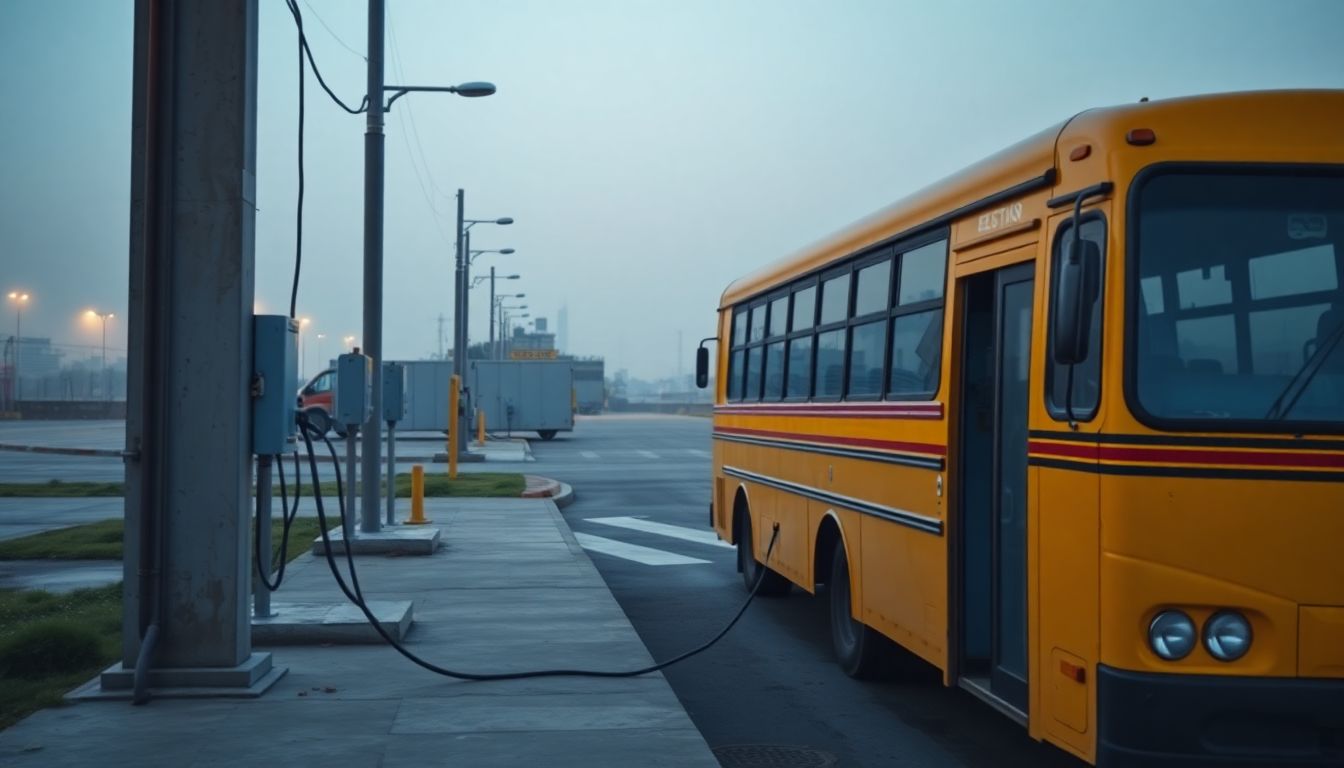
High upfront costs, inadequate charging infrastructure, and financing constraints remain significant hurdles to electrifying school buses in India, industry and policy experts said at the India Clean Transportation Summit (ICTS) 2026 on Wednesday. Speaking during a session titled “Generation E: Electrifying India’s School Bus Fleet”, stakeholders discussed the challenges operators face in shifting away from conventional fuels despite the potential to reduce children's exposure to road-transport emissions.
Gurmit Singh Taneja, joint secretary of the Bus and Car Operators Confederation of India (BOCI), noted that while school transport serves as a critical social service, fleet electrification carries heavy financial burdens. Taneja pointed out that operators must navigate limited charging setups, long charging times, an absence of original equipment manufacturer (OEM) workshop facilities, and motor-vehicle regulations that need updating for electric buses.
Vehicle manufacturers also noted difficulties with market supply and configuration. CK Goyal, chief operating officer for SPV Operations at PMI Electro Mobility Solutions, explained that while manufacturing capacity is increasing, the lack of cost-optimised electric models makes schools hesitant to pay substantial premiums. Vinoth Kumar R, head of planning and strategy at Switch Mobility, added that modifying existing electric bus designs for school operations frequently causes oversized batteries and inflated vehicle prices.
To overcome operational challenges, Goyal highlighted Delhi’s proposal permitting private buses to access Delhi Transport Corporation (DTC) depots for charging with subsidised electricity at a low cost. Under this plan, operators could drop off students in the morning, park and recharge at nearby DTC depots, and return to schools in time for afternoon routes. Experts also noted that school buses typically travel 50 to 60 km daily and sit idle between trips, offering opportunities for scheduled charging.
Addressing financial structures, World Bank senior transport specialist Dr Laghu Parashar stressed that monthly cash flows matter more to private operators than lifetime ownership costs. Parashar recommended introducing leasing frameworks, longer loan durations, smaller equity demands, and risk-mitigation options to encourage adoption.
The discussions come amid tightening regulatory targets, including Delhi’s Electric Vehicles Policy 2026, which mandates that schools electrify 10% of their bus fleets within two years of notification. Under the rule, which covers owned, leased, and hired vehicles, electric adoption must reach 20% within three years and 30% by March 31, 2030, with oversight managed by the education department.