DU Hostel Crunch Leaves Thousands Competing for Just 7,000 Campus Seats
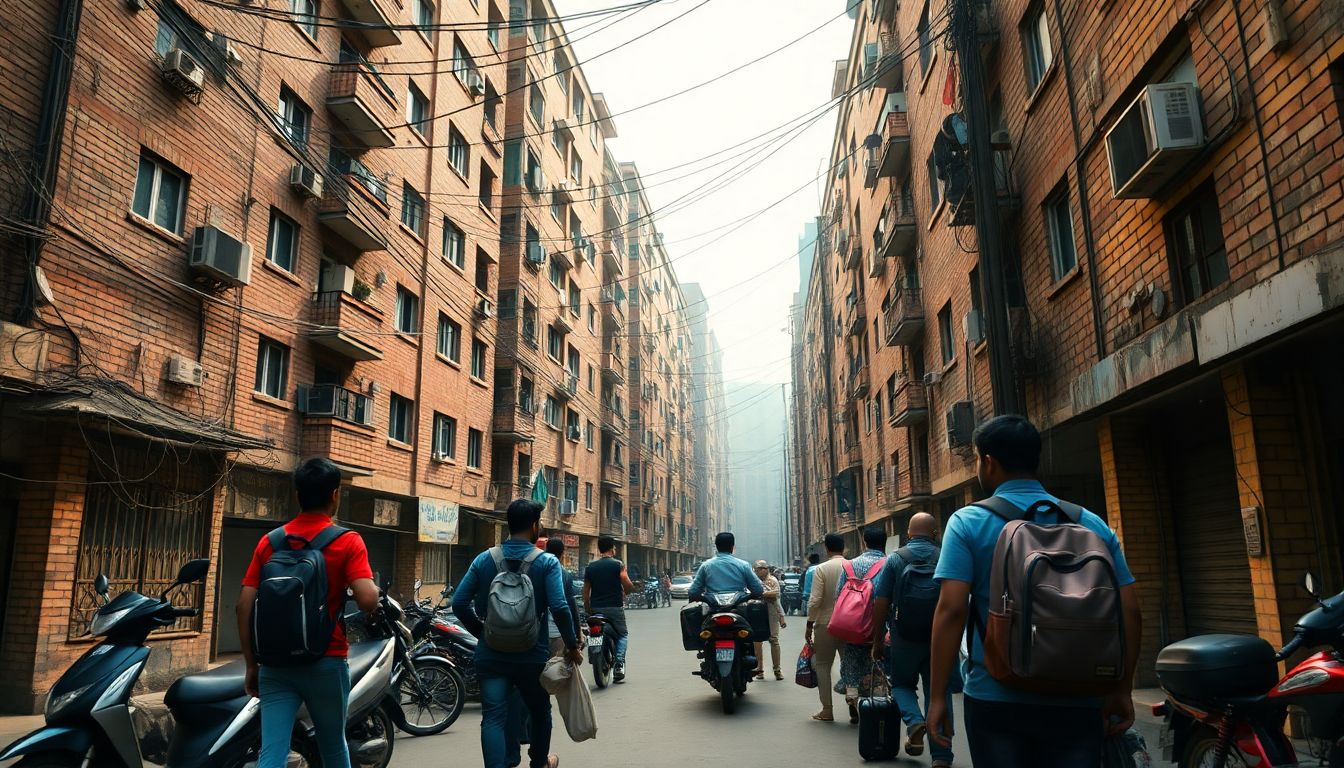
A severe shortage of hostel accommodation across Delhi University has left tens of thousands of outstation students scrambling for private housing, with only around 7,000 hostel seats available university-wide. The crunch is particularly acute near North Campus neighbourhoods such as Vijay Nagar and Malka Ganj, as well as Satya Niketan near South Campus, where incoming students are pushed into an expensive and unregulated private paying guest market.
In 2026, Delhi University admitted approximately 71,600 new undergraduate students for the 2026-27 academic session across 69 participating colleges and departments. According to college estimates, roughly half of all admitted DU students come from outside Delhi. However, the university operates only 20 main hostels across its North and South campuses, and official data shows that only 20 colleges maintain their own residential facilities, leaving 71 of DU’s 91 colleges without any student hostels.
The residential deficit reflects a long-standing issue across the central university. In a written reply to a Rajya Sabha question in November 2016, the Union Human Resource Development Ministry, citing DU figures, noted that the university had 19 hostels with a combined capacity of 3,580 students, with overall seat availability at roughly 6,000 against at least 60,000 annual admissions. The shortfall is even wider when measured against DU’s broader student body. According to its 2024-25 annual report, the university enrolled 2.1 lakh undergraduate students and 34,520 postgraduate students and PhD scholars, totalling nearly 2.5 lakh students.
Individual college statistics highlight the narrow odds students face when seeking campus housing. Miranda House has an overall student strength of 5,375, yet its hostel accommodates only about 370 students, with just 90 hostel seats allocated to first-year students for 2026-27. Similarly, Sri Venkateswara College has a total student strength of around 4,600 but provides hostel space for only 150 students, reserving just 50 seats for incoming first-year students.
Residential accommodation has been central to DU’s statutory framework since its foundation. Section 33 of the Delhi University Act, 1922, specifies that every student, other than those studying through correspondence, "shall reside in a college or a hall, or under such conditions as may be prescribed by the ordinances." However, a university official explained that the statutory provision "in today’s times should not be read as a guarantee of a university hostel room to every student."
With university-managed options severely constrained, outstation scholars remain heavily reliant on private paying guest accommodations, private hostels, and rented flats. Students report that the private rental market often imposes steep costs for substandard living conditions. "There should be more hostels for students. Outside, everything is expensive and not maintained. I don’t know where students are supposed to go," a DU student said.