Domestic Gigafactories and Recycling Key to EV Growth, Experts Say at ICTS 2026
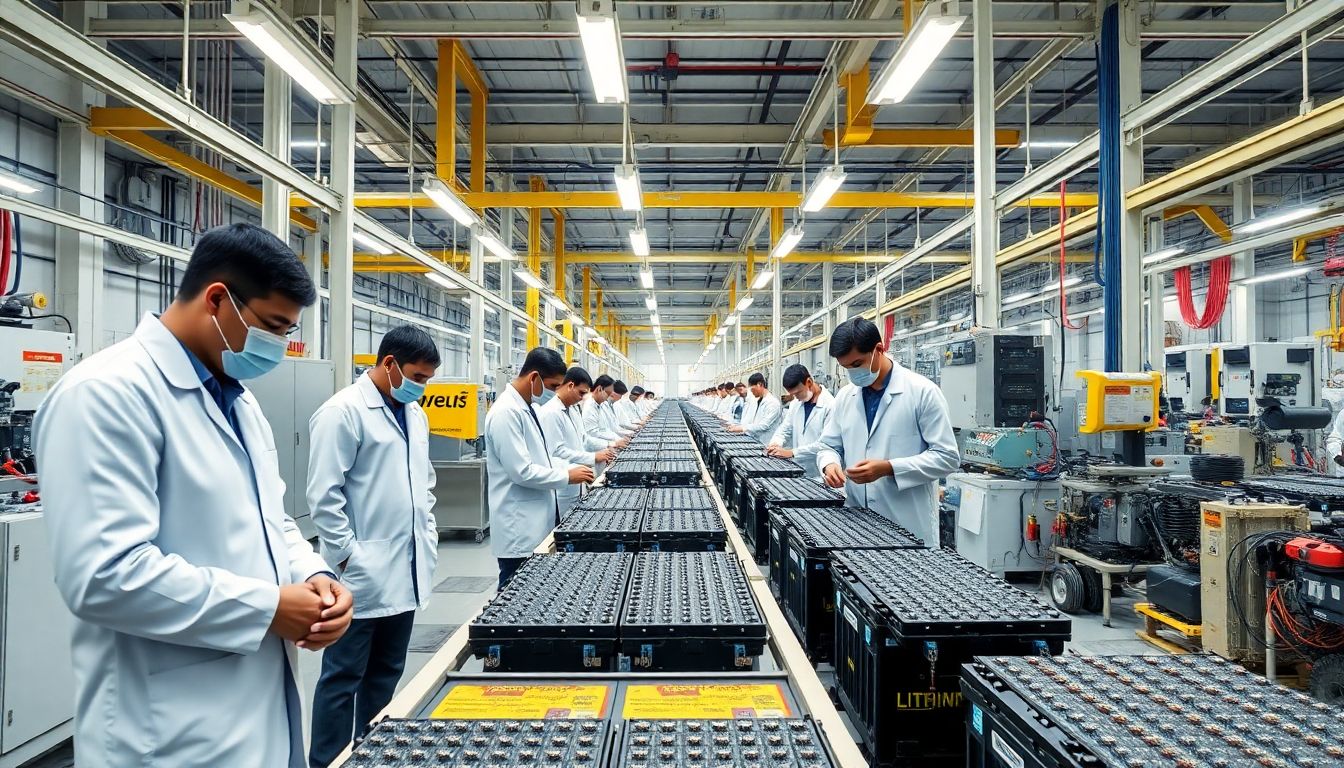
Domestic gigafactories and a scaled-up battery recycling ecosystem are critical to lowering electric vehicle costs and curbing India's dependence on imported battery cells, industry experts said on Tuesday during the first day of the India Clean Transportation Summit 2026 in Delhi.
Speaking at the summit, industry leaders stressed that bolstering domestic manufacturing and recycling capabilities is more vital for long-term EV competitiveness than relying primarily on purchase subsidies. However, participants noted that charging infrastructure remains a significant bottleneck slowing down broader adoption.
Nitin Gupta, chief executive officer and co-founder of e-waste and lithium battery recycling firm Attero, noted that the volume of end-of-life batteries across India has doubled over the past year. He explained that establishing domestic gigafactories would facilitate a circular supply chain, allowing materials used in manufacturing to re-enter production cycles through recycling.
Gupta highlighted that gigafactories represent a pivotal step in domesticating India's industrial supply chain and would help lower the overall cost of battery cells currently imported from abroad.
The pace of adoption across different vehicle segments was addressed by Jayesh Shelar, chief marketing officer at clean fuel truck manufacturer Blue Energy Motors. Shelar observed that commercial vehicles are experiencing rapid adoption, with monthly electric truck sales reaching numbers that previously required years to achieve. Projecting future trends for 2030 to 2032, Shelar estimated electric penetration could reach 100 percent for three-wheelers, 80 percent for two-wheelers, and 60 percent for commercial vehicles.
Addressing policy gaps, Gowri Natarajan, head of public policy and strategic partnerships at shared micromobility platform Yulu, urged authorities to consider the complete lifecycle of electric vehicles after deployment. Natarajan pointed out that shared mobility operators face major hurdles with basic setup requirements, stating that securing land approvals and suitable electricity tariffs can take months or years due to the involvement of multiple government departments.
To resolve these operational delays, experts at the summit advocated for a streamlined institutional mechanism, suggesting a single nodal agency to coordinate permissions required for electric mobility infrastructure.