DJB Blames Poor Drains for Kirari Flooding in Status Report to NGT
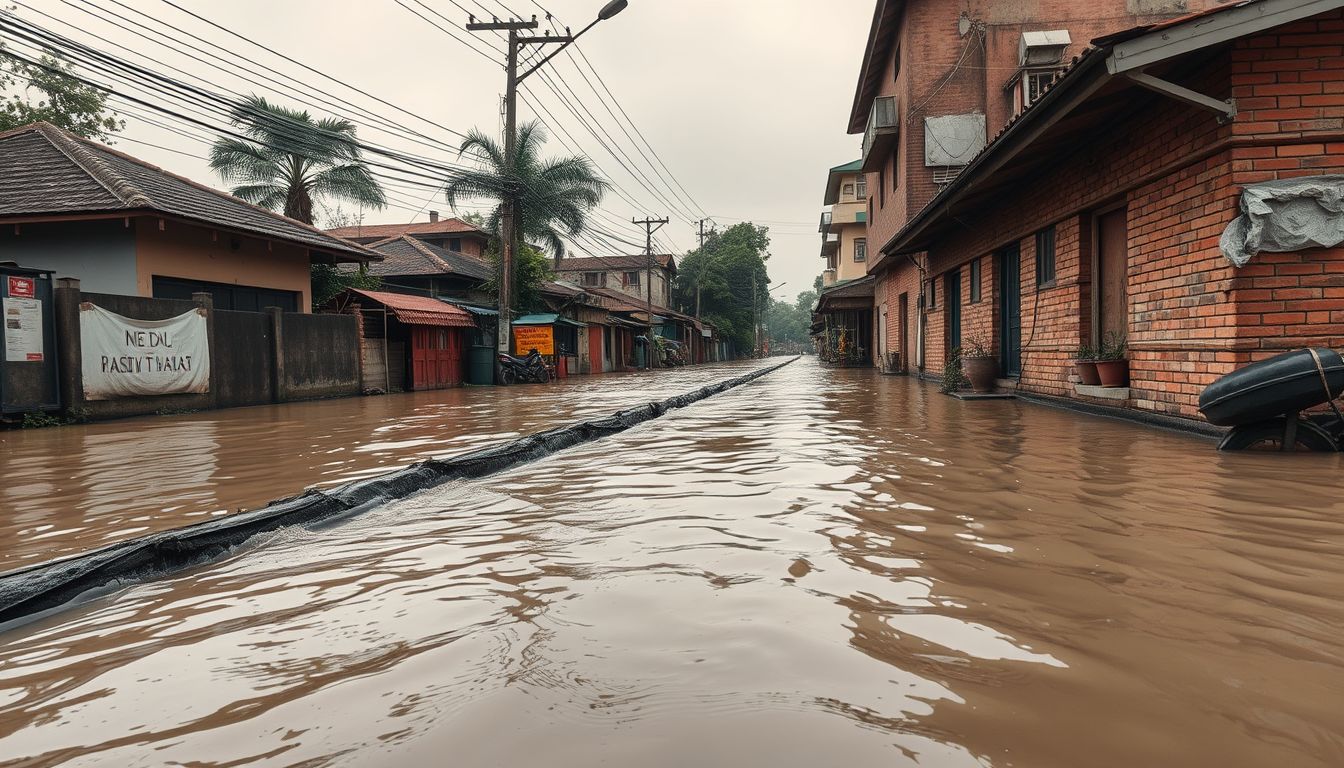
In a status report dated August 11 submitted to the National Green Tribunal, the Delhi Jal Board defended its operations regarding severe waterlogging and stagnant wastewater in Kirari and Sharma Colony in northwest Delhi. The water utility attributed the recurring flooding to missing stormwater infrastructure and land-filling actions by the Delhi Development Authority, rather than faults in the local sewage network.
The report was submitted after the National Green Tribunal took suo motu cognisance in January of media reports highlighting monsoon waterlogging and stagnant sewage in Kirari. Decades of rapid, unplanned growth have left over 100 unauthorised colonies in the area without proper sewerage or stormwater networks, leaving the lone Kirari Suleman Nagar drain capable of handling only a fraction of the required capacity.
Addressing specific complaints in Sharma Colony, the Delhi Jal Board stated that internal sewage networks have already been laid in accordance with proper hydraulic design. However, the local network cannot be operationalised until a major trunk sewer line is completed to manage the outflow from the residential areas.
Once finished, the trunk sewer line will facilitate the discharge of sewage to the Pratap Vihar wastewater pumping station, which the Delhi Jal Board reported is currently 98 percent complete. The wastewater collected from the site will ultimately be conveyed for treatment to the sewage treatment plant located in Rohini Sector 25.
The water utility placed blame on the Delhi Development Authority for filling nearby low-lying areas with waste and inert material from landfill sites without making arrangements for discharge. According to the Delhi Jal Board, this missing outlet infrastructure has caused stormwater mixed with surface run-off to back up into residential areas, resulting in flooding and unhygienic conditions.
Clarifying municipal responsibilities, the Delhi Jal Board stated that its network is designed solely to handle toilet waste. It noted that the construction of stormwater drains falls under the purview of the Irrigation and Flood Control Department and the Delhi State Industrial and Infrastructure Development Corporation, while regular operation and maintenance are managed by the Municipal Corporation of Delhi.
To address ongoing drainage issues in the area, six separate projects are currently being undertaken under Union government monitoring. These measures include the construction of side drains inside colonies, a drain along the railway line, a DDA drain connecting to the Supplementary drain, improvements to the Kirari Suleman Nagar drain, and two drains along Rohtak Road.