Delhi Zoo Seeks Mate for Lone Egyptian Vulture Jatayu After Two Decades
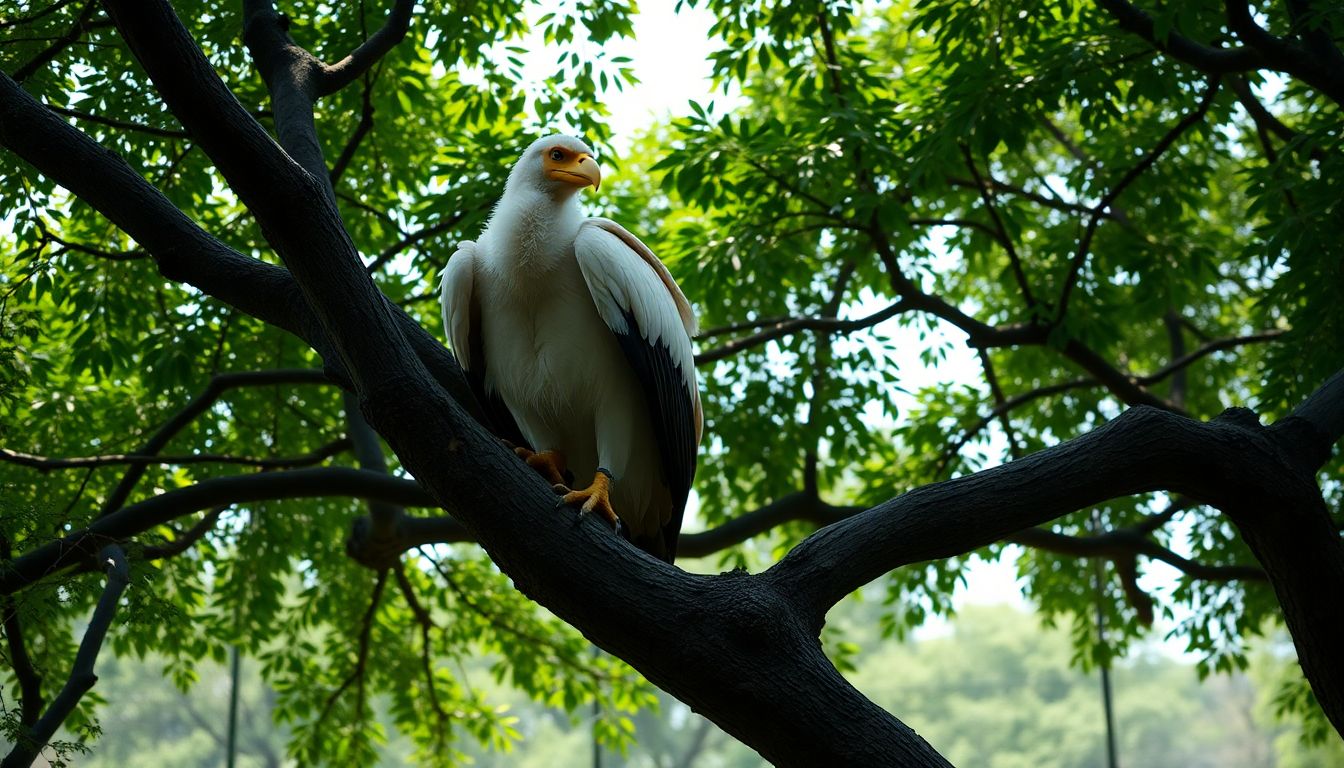
The National Zoological Park in New Delhi has initiated talks with two zoos in other states to find a mate for Jatayu, a lone Egyptian vulture that has lived without a companion for more than two decades.
Jatayu was brought to the Delhi Zoo over 20 years ago after being rescued following its migration to the capital. The bird has remained the only Egyptian vulture at the facility after other vultures housed there died of age- and health-related complications.
A Delhi Zoo official said that discussions regarding a possible pairing are in preliminary stages. The identities of the two institutions have not been disclosed, and specific details will be shared once formal animal exchange or transfer arrangements are completed.
To study breeding practices, zoo officials are scheduled to visit the vulture breeding and conservation centre in Pinjore, Haryana, on September 6. The Pinjore facility, run jointly by the Haryana Forest Department and the Bombay Natural History Society, focuses on conservation breeding of critically endangered Gyps vultures and releasing captive-bred birds into the wild.
Egyptian vultures typically begin breeding between four and five years of age, form long-term pair bonds, and lay one egg per breeding season, with both parents assisting in incubation and chick rearing. The species can live for around 25 years in the wild and longer in captivity, remaining reproductively active for several years.
Jatayu is among multiple animals at the zoo currently awaiting mates. The National Zoological Park is seeking partners for 16 species that are represented by lone individuals or same-sex groups to boost breeding and introduce fresh bloodlines.
Other animals awaiting companions include two male ostriches brought from Chhatbir Zoo in 2021, a nine-year-old female rhea living without a mate since 2018, and a male barn owl alone since 2022. The zoo is also looking for partners for an 18-year-old female rhinoceros whose male partner died in 2025, a male Indian grey hornbill, a grey langur, a small Indian civet, and a black swan.