Delhi Run Clubs Face Lack of Basic Infrastructure as Weekend Crowds Surge
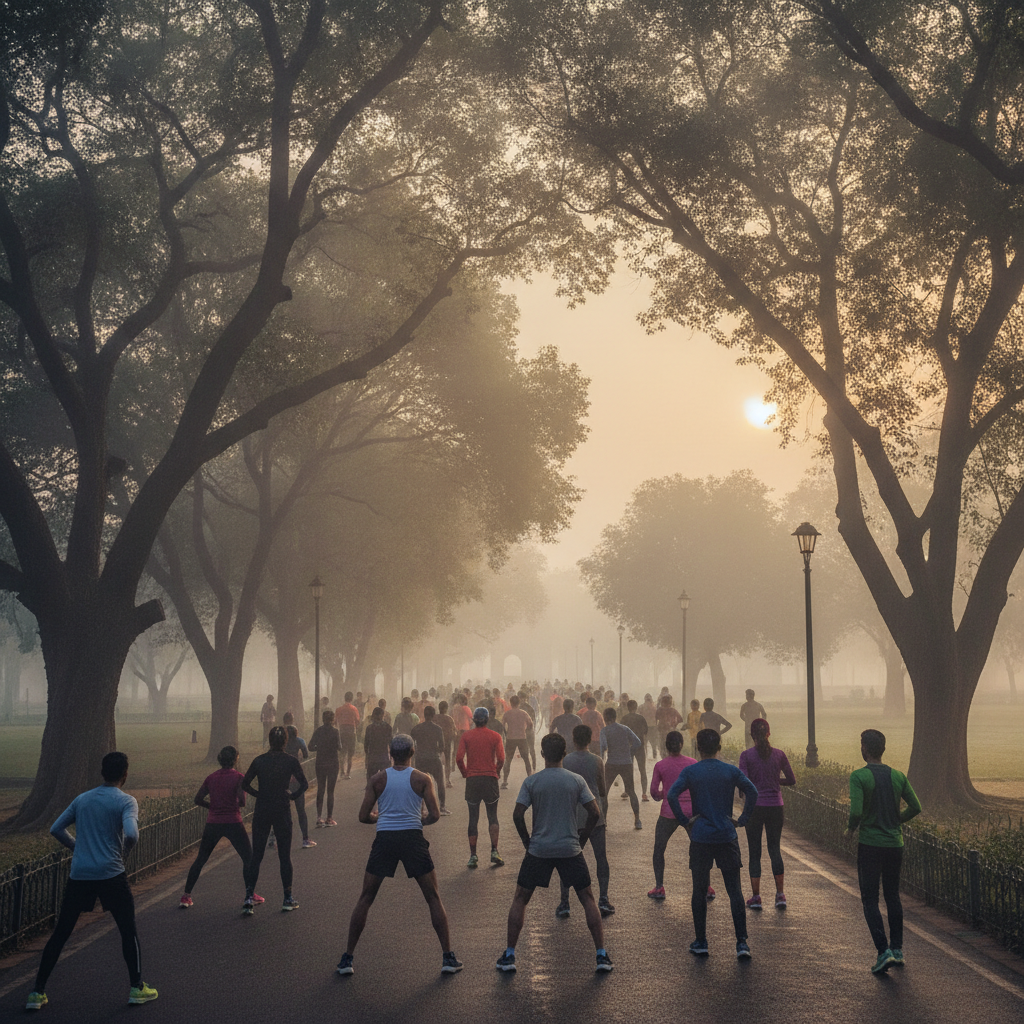
Weekend running clubs are drawing massive morning crowds to major parks and roads across Delhi, including Lodhi Garden, Nehru Park, India Gate, and Sanjay Van, but runners and organizers report that the city's civic infrastructure is failing to keep pace with the growing movement.
Locations that once served as quiet morning haunts for individual joggers have transformed over the last two years into bustling meeting grounds for organized running groups. Every weekend before sunrise, participants equipped with running shoes, matching T-shirts, arm-strapped phones, health trackers, and water bottles assemble in large numbers across public venues in the capital.
The surge in run clubs has evolved from an initial fitness trend into a widespread community movement across urban Delhi. However, organizers point out that municipal facilities and park infrastructure have not expanded to accommodate the rising footfall.
Jyotiraditya Thakur, co-founder of the running group Bhag Club, described the rapid expansion the community has seen over the last two years. When the club was established, gathering 30 to 40 participants on a Sunday morning was considered an achievement. Today, the club regularly brings together 500 to 700 runners for a single session, has developed its own running app, and has crossed more than one lakh followers on social media platforms.
Thakur said that several smaller run clubs have also sprung up throughout the city, quietly helping build one of the fastest-growing fitness communities in urban India.
Despite the boom in participation, organizers emphasize that Delhi lacks dedicated support and facilities for runners. Thakur drew comparisons with cities such as Bangkok, which provide dedicated parks for runners equipped with proper lighting, benches, water stalls, and crowd management systems.
In contrast, runners in Delhi frequently encounter parks that lack basic amenities. Thakur noted that groups are fortunate if a local park provides functioning streetlights and clean drinking water. Running communities are seeking accessible tracks, dedicated hydration points, basic medical support during large group gatherings, and active coordination between local park authorities and run clubs.