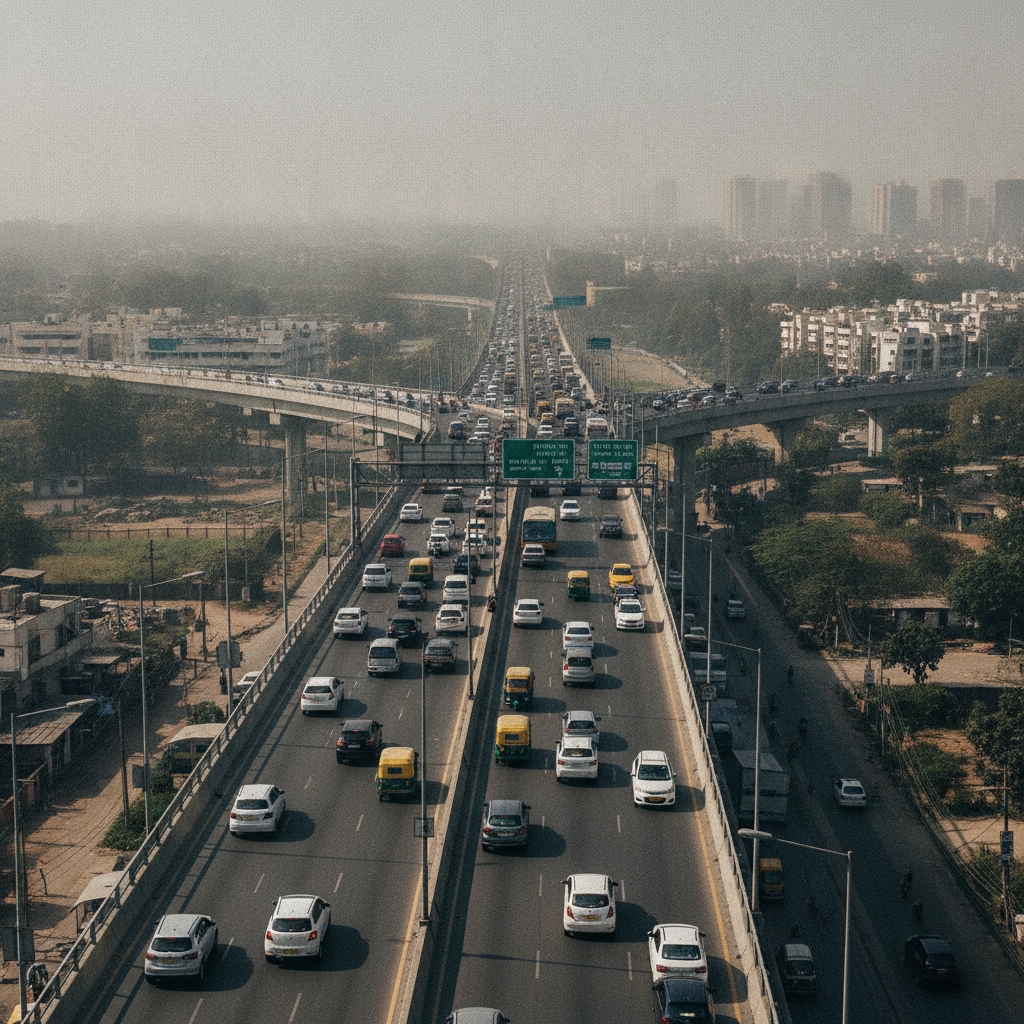
Delhi Records 2,612 H1N1 Cases as Seasonal Influenza A Crosses 3,300
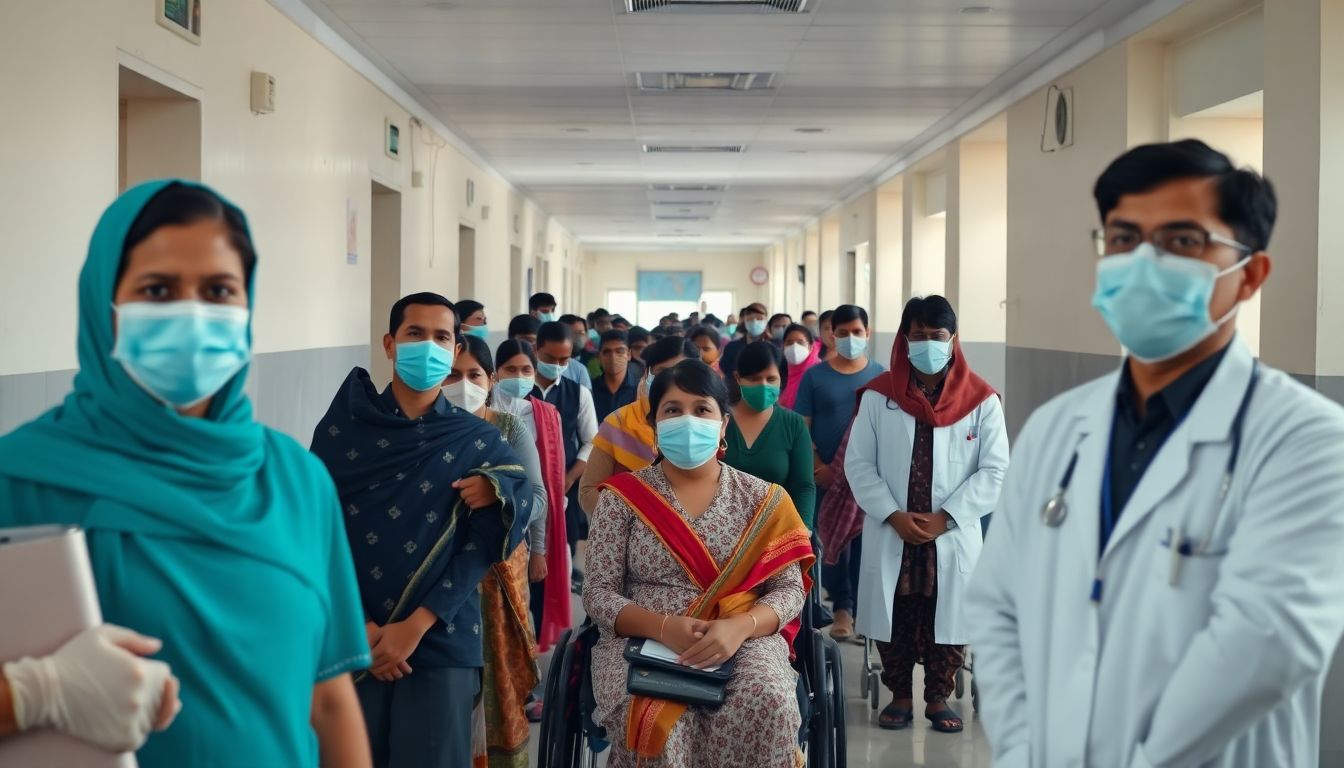
Delhi has recorded 2,612 H1N1 cases and more than 3,300 total influenza A infections following a sharp seasonal rise in respiratory illnesses across the capital, according to health data released by Thursday.
H1N1 currently accounts for the largest share of influenza A infections in the city. The increase in transmission has been linked to a combination of humid, fluctuating, and rainy weather conditions, along with indoor crowding, poor ventilation, and close person-to-person contact. Health officials noted that H3N2 and other respiratory viruses continue to circulate simultaneously across the region.
The Indian Council of Medical Research stated that the circulating H1N1 lineage is displaying genetic changes broadly consistent with expected seasonal patterns. The lineage has been circulating in India since 2025, and officials confirmed there is no evidence pointing to a new or unusually dangerous viral strain. Furthermore, health authorities found no specific evidence linking the current rise in infections to international travel, pointing instead to local environmental and seasonal factors.
Common symptoms associated with the infection include sudden fever, cough, sore throat, headache, body ache, fatigue, and general weakness, with children occasionally experiencing vomiting or diarrhoea. Medical practitioners cautioned that these clinical manifestations overlap significantly with other seasonal conditions, including H3N2, dengue, chikungunya, and malaria, meaning symptoms alone cannot confirm an H1N1 diagnosis.
Health experts highlighted that older adults, young children, pregnant women, and individuals with chronic conditions such as diabetes, asthma, COPD, heart disease, or compromised immunity require heightened vigilance. The severity of the illness is largely tied to individual risk factors rather than the specific virus subtype.
Medical advisories urge individuals experiencing influenza-like symptoms to isolate at home, wear masks, cover coughs and sneezes, wash hands frequently, and ensure adequate indoor ventilation to prevent further spread. Patients showing warning signs—such as breathlessness, falling oxygen levels, chest tightness, persistent fever, confusion, or dehydration—are advised to seek prompt medical attention.