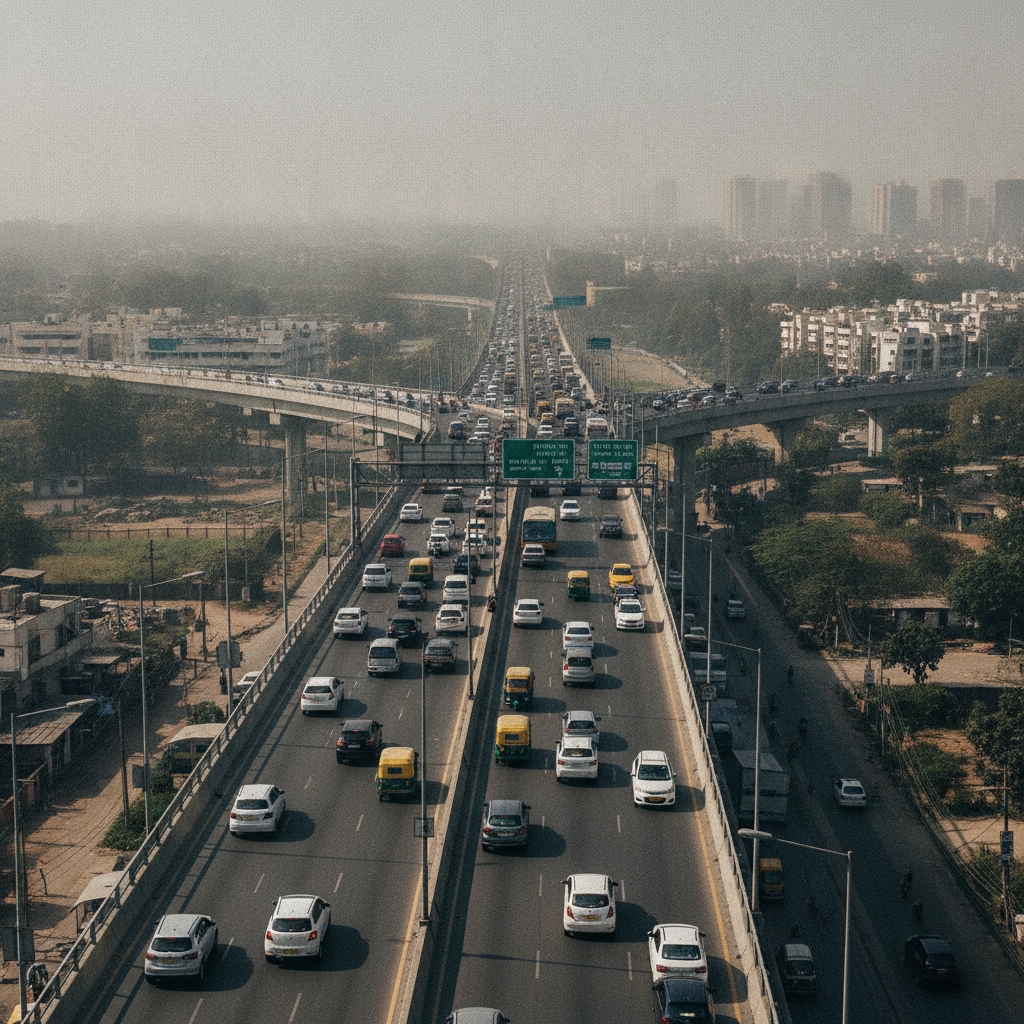
Delhi PWD Repairs Over 2,800 Potholes in Single Day Ahead of Monsoon
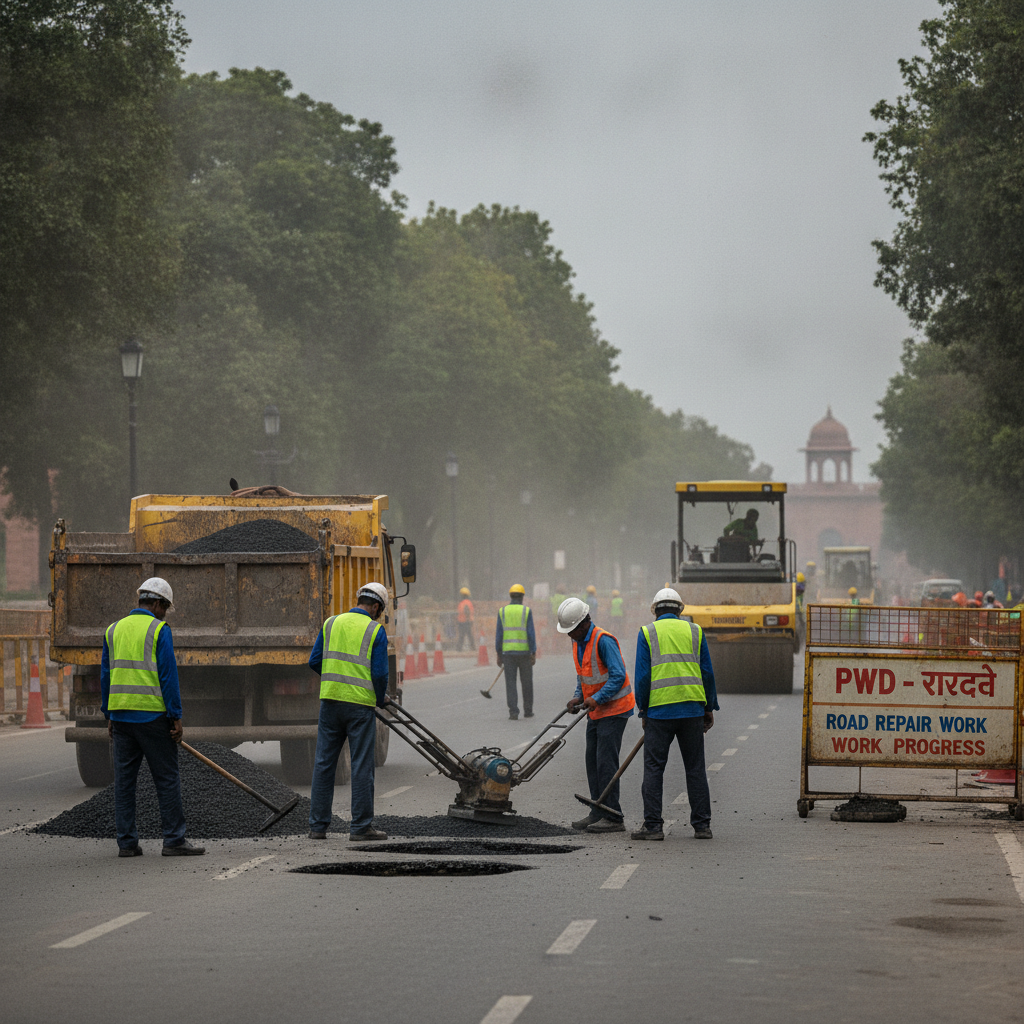
The Delhi Government's Public Works Department (PWD) repaired more than 2,800 potholes across Delhi during a special citywide drive on Sunday to prepare the capital's roads for the upcoming monsoon season.
Delhi PWD Minister Parvesh Sahib Singh Verma inspected the repair works at multiple locations across the capital, where engineers, maintenance staff, and field teams were deployed throughout the day to complete the target.
According to PWD records, the department identified a total of 14,757 potholes on its roads between January 1 and June 4. Prior to Sunday's drive, 12,762 of those potholes had already been repaired. The special Sunday drive was launched specifically to address the remaining identified potholes before the heavy rains begin.
Minister Verma stated that the department intensified its road maintenance activities ahead of the wet season, noting that potholes tend to expand and pose safety hazards for motorists once the rains start. He emphasized that the PWD remains vigilant throughout the year, but the pre-monsoon focus is to ensure roads are in the best possible condition for safe commuting.
Addressing the root cause of the issue, Verma linked recurring pothole problems to the quality of past road construction. He noted that many of the potholes repaired during the drive were on roads built several years ago, where quality standards were not adequately maintained.
To address this, Verma announced that the Delhi government has strengthened its quality-control mechanisms and introduced greater accountability. Under new measures, newly constructed PWD roads are covered under a five-year maintenance clause, which holds contractors responsible for fixing any defects that emerge during the warranty period.
The road repairs also come amid oversight from the National Green Tribunal, which has been monitoring Delhi's pre-monsoon desilting targets and stormwater preparedness timelines. During hearings earlier this year, the tribunal noted that only about 30 percent of the required work had been completed in April and demanded strict adherence to the May-June timelines.