Delhi Police Opposes Sukesh Chandrasekhar Plea in HC Over Trial Court Remarks
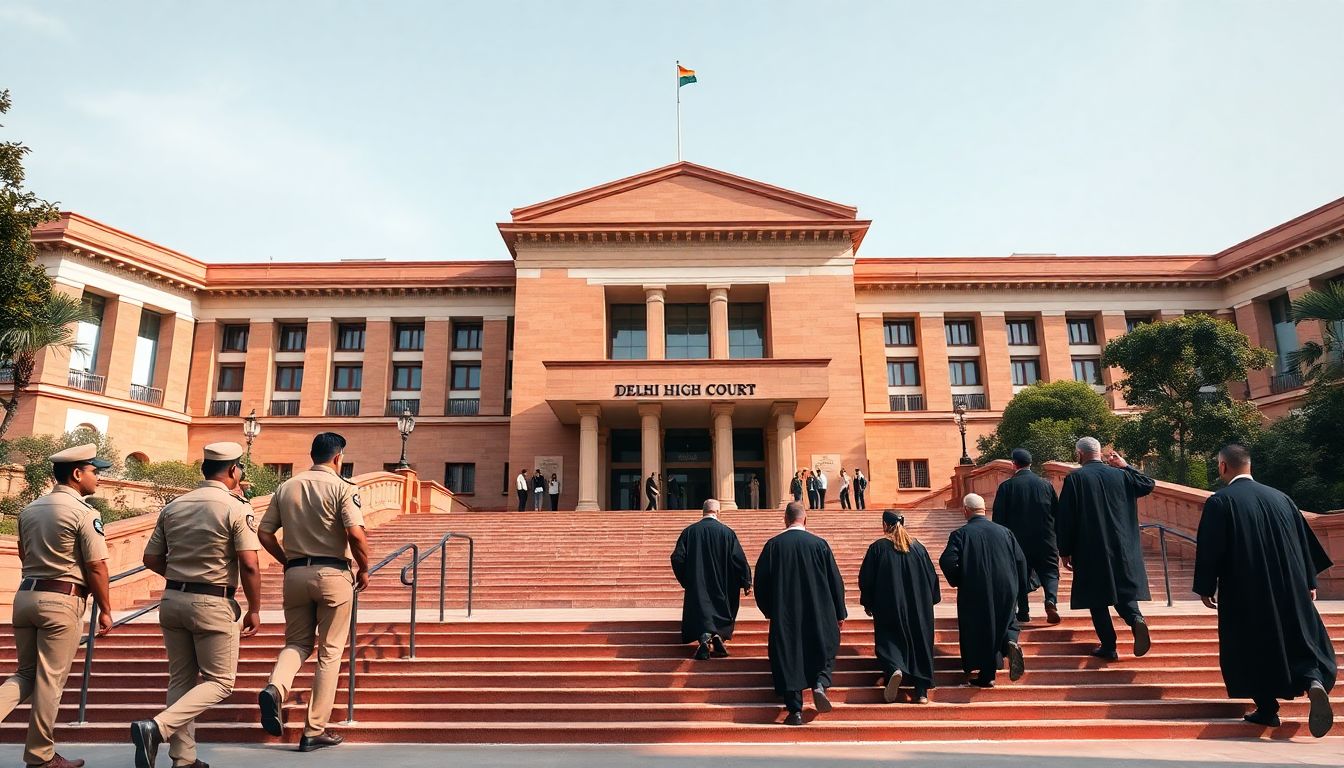
Delhi Police on Monday raised an objection in the Delhi High Court over the maintainability of a plea by Sukesh Chandrasekhar, which sought the deletion of certain remarks made against his character by a trial court in New Delhi.
The trial court had convicted Chandrasekhar for impersonating a Supreme Court judge to influence a special judge for bail in a 2017 corruption case. Police contended that his plea was not maintainable because it was filed based on the conviction verdict, arguing that he should instead file an appeal challenging both his conviction and sentence.
Counsel representing the Delhi Police noted that the trial court has already passed its sentencing order, meaning Chandrasekhar should raise all related issues through a formal appeal. Justice Madhu Jain scheduled the matter for November 3 to hear arguments on the maintainability of the petition.
Chandrasekhar's lawyer submitted that the petition seeks to set aside "derogatory" observations in the judgment because other cases remain pending against him, arguing that such remarks would prejudice his rights. In his plea, Chandrasekhar stated that the trial court made pejorative, stigmatic, and unnecessary observations that were not required for adjudication, claiming the court approached the matter with a predetermined mindset and denied him an opportunity to complete defence evidence.
On August 20, the trial court found Chandrasekhar guilty of offences under Indian Penal Code sections 170, 189, and 507, sentencing him to eight years of rigorous imprisonment. The trial court characterised his actions as a "direct affront" to the independence and sanctity of the judicial process.
The case originated from an incident on April 28, 2017, when Chandrasekhar was in police custody in connection with a corruption case. According to the prosecution, he gained access to the mobile phone of a police constable and called the official landline and mobile number of Poonam Chaudhary, who was then a special judge handling Prevention of Corruption Act cases.
The trial court noted that Chandrasekhar first impersonated the private secretary of a Supreme Court judge and subsequently the judge himself. The court held that the prosecution proved beyond reasonable doubt that he deliberately assumed the identity of a Supreme Court judge to interfere with the administration of justice.