Delhi Jal Board to operationalise 105 MGD Chandrawal water plant by September
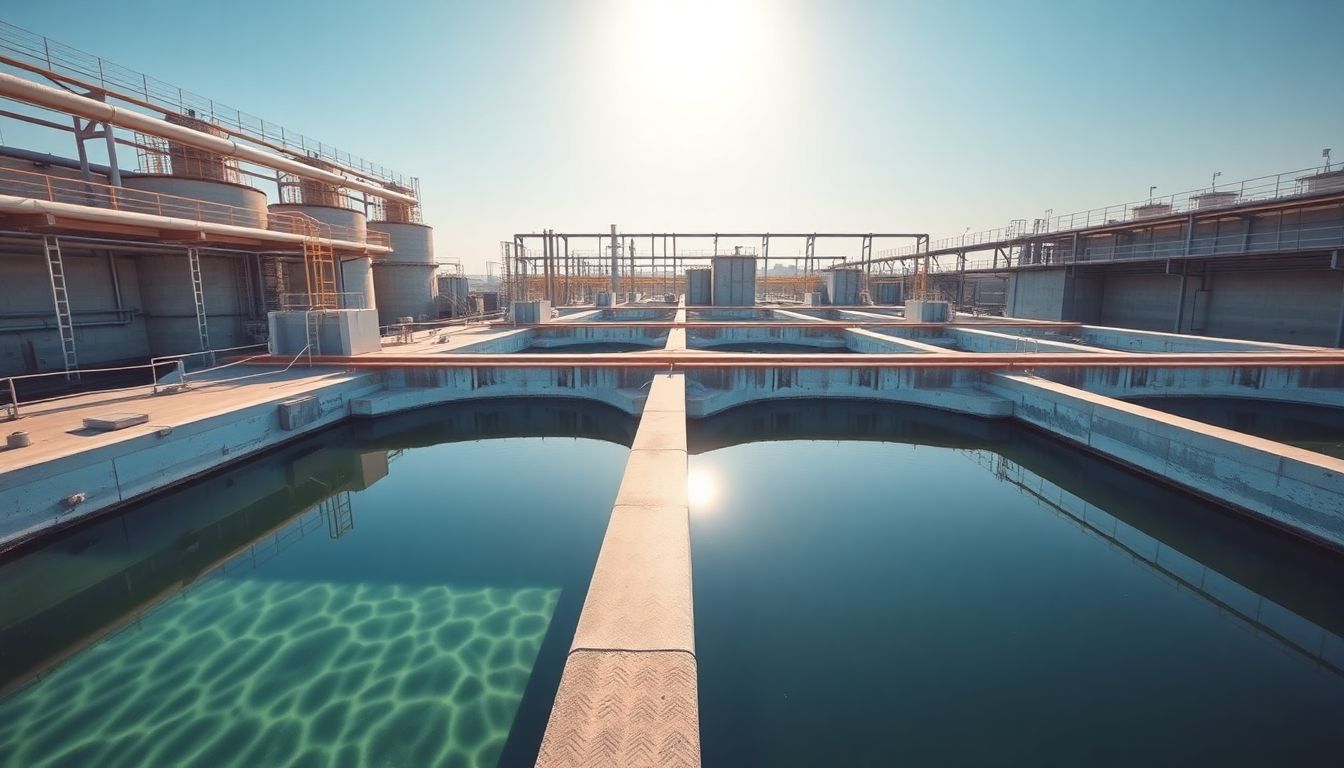
The Delhi Jal Board (DJB) is preparing to launch trial runs next month to fully operationalise its new 105-million-gallons-per-day (MGD) water treatment plant in Chandrawal by September. The new facility is designed to address recurring ammonia pollution in the Yamuna river, which frequently disrupts the capital's water supply.
The advanced plant will replace two of Delhi's oldest operational treatment units at Chandrawal, which were built in 1935 and 1955. These ageing units, with a combined capacity of 90 MGD, have suffered repeated breakdowns and maintenance shutdowns in recent years. In March, operations at Chandrawal WTP-II stopped completely for nine days after a 600-mm-diameter backwash pipeline burst, flooding the pump house and disabling electrical and mechanical equipment.
The new plant will raise Chandrawal's total production capacity by 15 MGD, serving an estimated 2.2 million residents in central, north, and New Delhi. According to DJB officials, the new facility features advanced technologies, including ozonation, granular activated carbon filtration, and rapid gravity filters. These systems will allow the plant to treat raw water containing ammonia levels of up to 5 parts per million (ppm), a significant upgrade from the current chlorination-based system that can only handle up to 1 ppm.
Commissioning of the plant was previously delayed because a critical imported component could not be procured on time due to the conflict in West Asia. Officials confirmed this issue has now been resolved.
While the Chandrawal facility is nearing completion, another newly constructed water treatment plant in Dwarka Phase II remains idle. Despite being fully built, the Dwarka plant cannot be commissioned because it lacks an assured source of raw water, which requires an additional allocation through the Munak Canal from Haryana.