Delhi Jal Board to Build up to 20 New STPs to Clean Yamuna by 2028
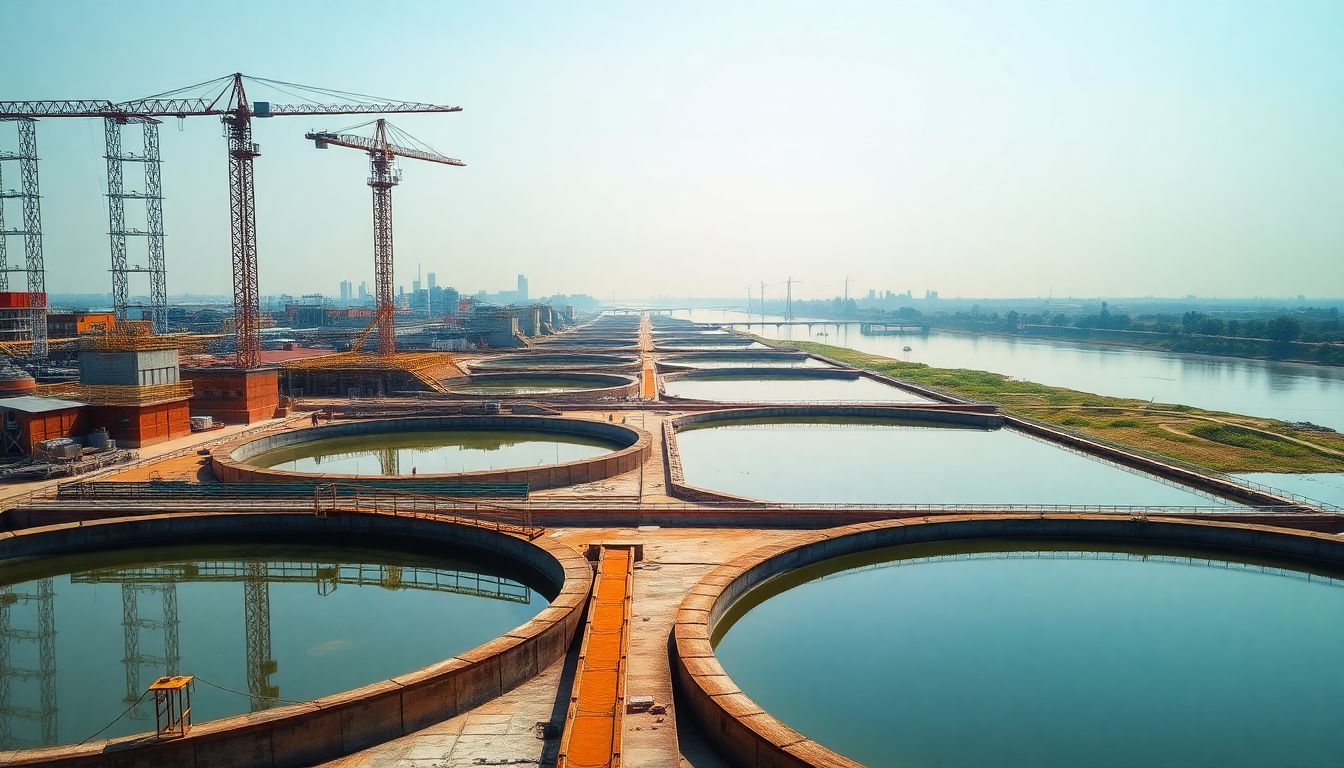
The Delhi Jal Board plans to construct between 18 and 20 new sewage treatment plants to add 460 million gallons per day of treatment capacity, aiming to clean the heavily polluted Delhi stretch of the Yamuna river. The initiative forms part of an ambitious push to nearly double the capital's sewage treatment capacity to 1,506 MGD by December 2028.
The project follows a directive issued in July last year by Union Home Minister Amit Shah, who chaired a river rejuvenation review meeting and instructed the Delhi government to reach roughly 1,500 MGD capacity by 2028. Delhi currently operates 37 sewage treatment plants with a combined capacity of 814 MGD, an infrastructure network that took decades to build.
Under the new plan, the total cost of constructing the new STPs to deliver 460 MGD is estimated at approximately ₹5,000 crore. An official noted that the exact expenditure will be confirmed once individual tenders are finalised, with the precise number of new plants scheduled to be settled over the next two months. These facilities will be constructed along stormwater drains that empty into the Yamuna, which have historically carried untreated sewage and urban runoff into the river.
In addition to the brand-new plants, the Delhi government plans to generate an additional 62 MGD by upgrading its existing 37 treatment facilities. Another 170 MGD will be secured through the construction of 29 decentralised sewage treatment plants designed specifically to handle waste emerging from unauthorised colonies. Work orders have already been issued to private companies for 28 of those 29 decentralised plants following a competitive tendering process.
Cleaning the Yamuna river has remained unresolved despite over thirty years of court directives addressed to both Central and State governments. The issue served as a central campaign pledge for Prime Minister Narendra Modi ahead of the Delhi Assembly election, in which the Bharatiya Janata Party took power after 27 years.
The river holds deep religious importance for Delhi's sizeable Purvanchal community from eastern Uttar Pradesh and Bihar, who enter the waters to observe Chhath Puja. Since the new government took office, the Union Home Minister has conducted recurring review meetings dedicated to tracking plant construction schedules and enhancing overall river flow.