Delhi Intensifies Anti-Larvae Drives as Virulent Type-2 Dengue Strain Spreads
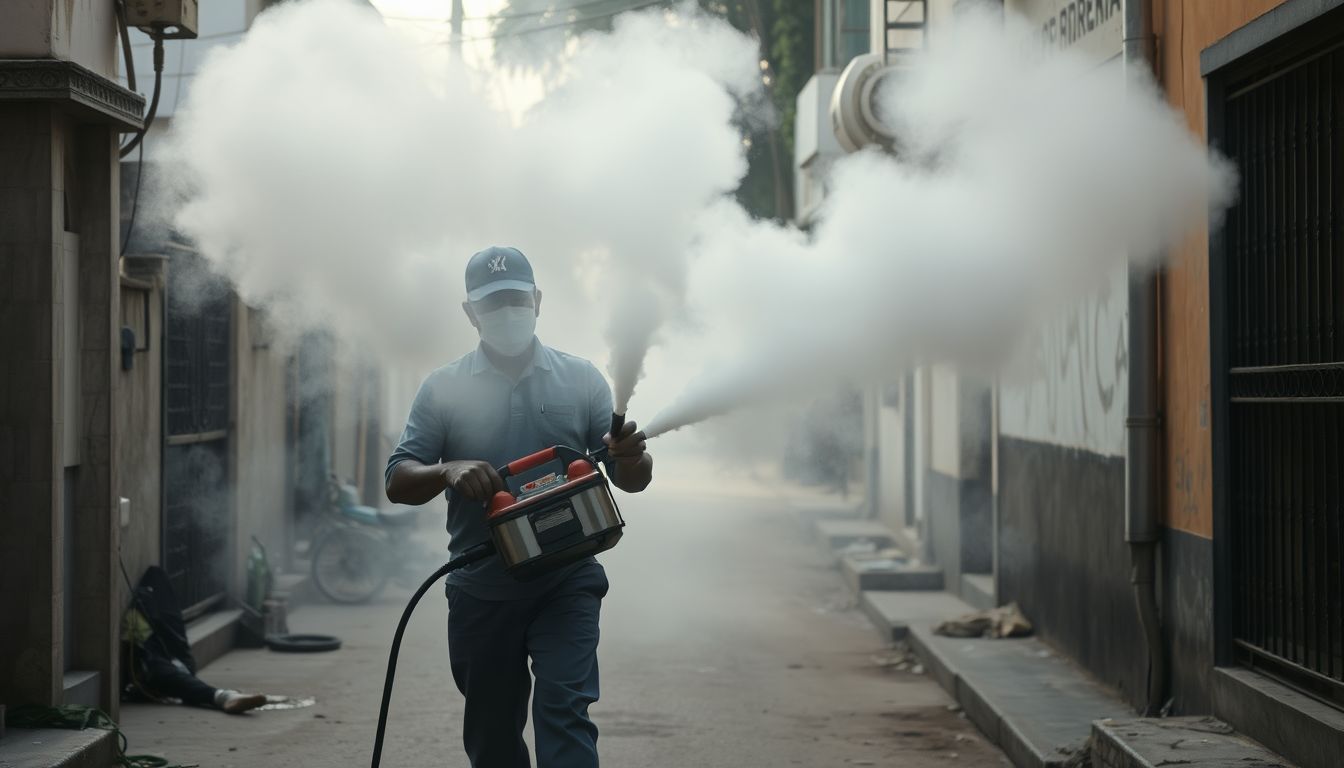
Delhi civic authorities have intensified anti-larvae drives and heightened vigilance across the capital following the detection of the virulent Type-2 dengue virus strain in a majority of recent positive samples. Mayor Parwesh Wahi confirmed that directions have been issued to scale up fogging in vulnerable areas and reserve hospital beds in Municipal Corporation of Delhi (MCD) facilities.
According to genome sequencing tests conducted by the All India Institute of Medical Sciences (AIIMS), dengue virus type 2 (DENV-2) was identified in most sequenced samples. Health officials noted that while Type-1 dengue typically causes classic dengue fever with chills and headaches, DENV-2 can lead to more severe dengue haemorrhagic fever with shock. No dengue-related deaths have been recorded in the city so far this year.
The resurgence in mosquito breeding comes after regular spells of rain over the past fortnight caused widespread waterlogging across various parts of Delhi. Municipal data indicates that mosquito larvae detection generally peaks between the 32nd and 38th weeks of the year. In the week leading up to August 8, MCD teams detected mosquito larvae at 9,803 sites, accounting for nearly 12 percent of the 82,870 positive larval sites identified since January 1.
Discrepancies remain regarding the exact number of dengue infections recorded in the capital this year. According to the MCD’s weekly vector-borne disease report dated August 8, Delhi has recorded at least 230 dengue cases, with an additional 76 cases acquired from other states, while 159 cases had untraceable or incorrect patient addresses. However, Health Minister Pankaj Kumar Singh stated during a review last week that a total of 1,179 dengue cases have been reported in Delhi, alongside around 210 to 212 cases from neighboring NCR areas.
Civic officials stated that preventive efforts are currently focused on destroying mosquitoes at the larval stage before peak transmission occurs. Free-standing clear water in waterlogged areas serves as the primary breeding ground for the Aedes aegypti mosquito, which transmits the viral infection. Elderly residents, children, and individuals with chronic illnesses or weakened immune systems face heightened risk from the circulating strain.