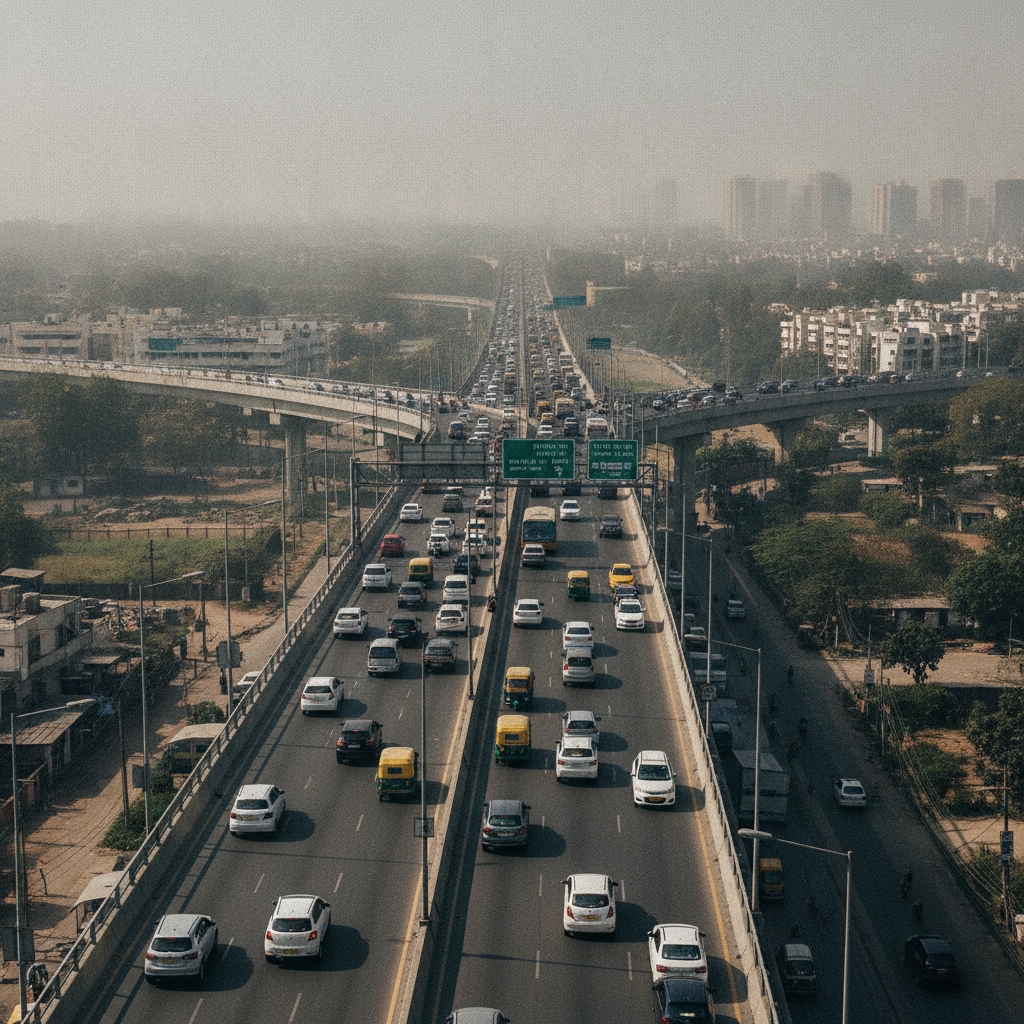
Delhi Identifies 78,000 Old Heavy Vehicles for Cleaner Fleet Transition
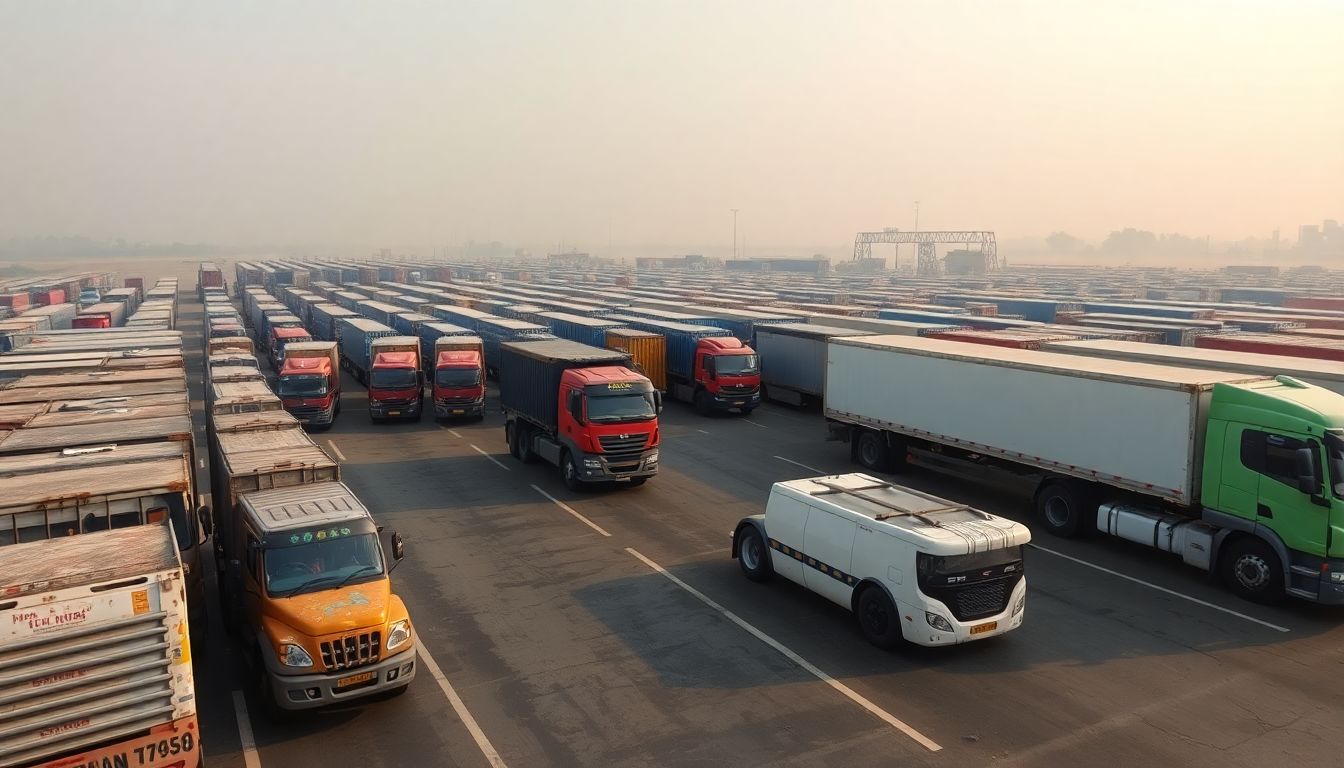
The Delhi government has identified nearly 78,000 Delhi-registered old heavy vehicles to encourage their voluntary transition to cleaner BS-VI models and electric alternatives as part of measures to tackle the upcoming winter pollution season.
The vehicle transition initiative is being undertaken under the Centre's Rs 9,585 crore Parivartan scheme, which seeks to speed up the adoption of cleaner commercial vehicles across the National Capital Territory of Delhi and adjoining NCR districts in Haryana, Rajasthan, and Uttar Pradesh.
Government teams are currently reaching out to truck owners, transporters, petrol pumps, parking facilities, and industrial clusters. Officials stated that nearly 78,000 BS-III and BS-IV heavy vehicles registered in Delhi have been mapped for the voluntary campaign, with the focus on educating and encouraging owners rather than imposing mandatory replacements.
Under the scheme, supported by Rs 5,041 crore in central funding, eligible buyers of new BS-VI diesel, CNG, or electric commercial vehicles can access financial incentives. These include a complete waiver of registration fees, full concession on motor vehicle tax, a 5% interest subvention on vehicle loans, and manufacturer discounts of up to 8%. Electric commercial vehicles qualify for one-time incentives ranging between Rs 64,000 and Rs 2.56 lakh, while BS-VI diesel and CNG buyers can receive monthly fuel vouchers between Rs 1,200 and Rs 4,800 for five years.
In addition to vehicular emissions, the administration has formed district-level task forces headed by deputy commissioners and district magistrates. These task forces have been directed to map out local pollution and traffic hotspots across districts and submit engineering solutions by the end of this month.
To control dust, the government expanded construction and demolition waste collection sites from 106 to 125 across Delhi. An anti-pollution portal launched in July has also used AI-enabled cameras to flag around 2,000 sites where anti-pollution rules were violated.
On the industrial front, air-quality control devices have been made mandatory for 80 categories of industries, and Online Emission Monitoring Systems have been made compulsory for more than 90 industrial units.
The government also announced that stricter pollution-control measures under Section 5 of the Environment Protection Act will take effect from November 1 across the city.