Delhi homeless voters face deletion from electoral roll during intensive revision
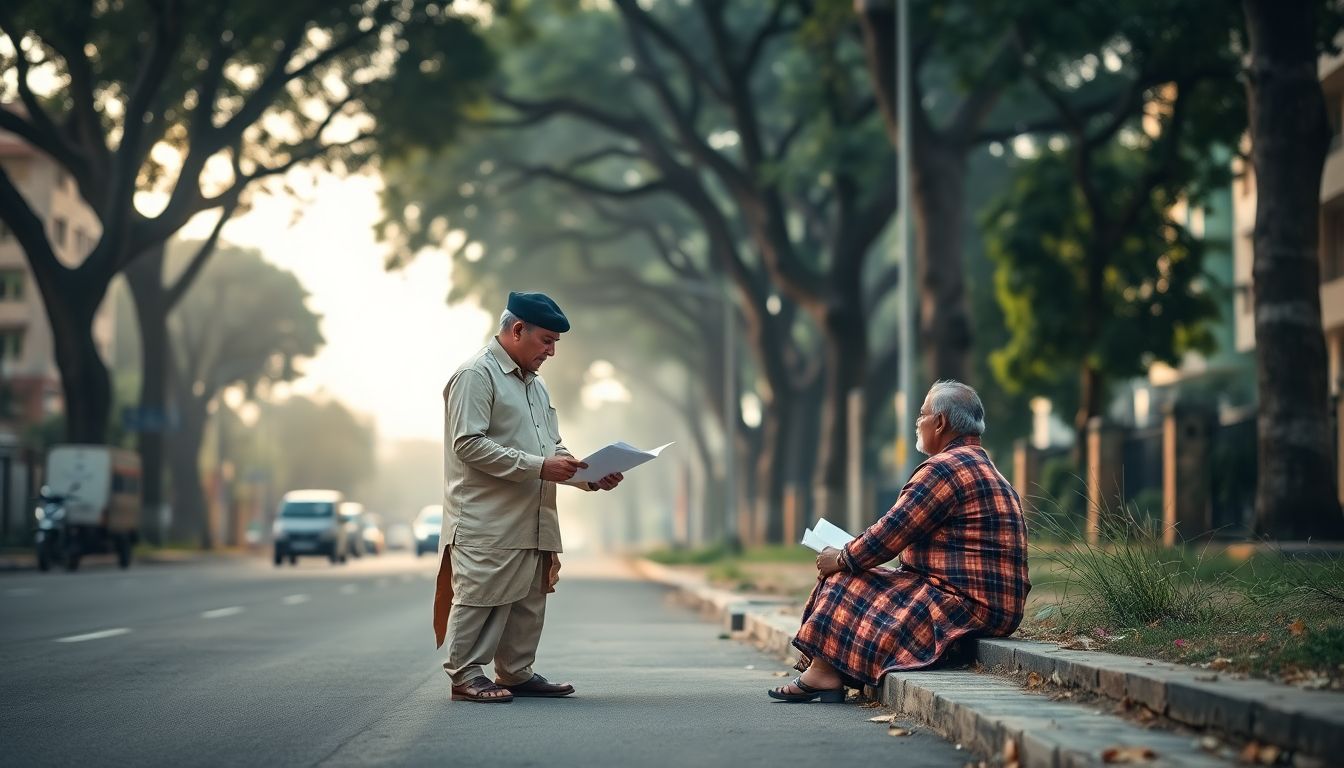
Thousands of homeless voters in Delhi, including those living on the footpaths of Lodhi Road in New Delhi, face the risk of having their names deleted from the electoral roll during an ongoing special intensive revision. Booth Level Officers (BLOs) conducting the door-to-door verification drive, which ends on July 29, have reported severe difficulties in locating and verifying the city's 10,448 registered homeless voters due to a lack of permanent addresses and official documents.
The month-long exercise, which began after Delhi's electoral roll of 1.45 crore voters was frozen on June 16, requires BLOs to distribute and digitize enumeration forms. While forms have been distributed to around 97 percent of the electorate, only 14.03 lakh forms had been digitized by Monday. Following the July 29 deadline, draft electoral rolls will be published on August 5, with the final list scheduled for October 7.
BLOs working in areas with large homeless populations said that vague addresses on identity cards—often listing only a landmark or a pillar number—make it nearly impossible to find voters. Some officers admitted they have already marked untraceable voters as "shifted" on their forms, which could lead to their deletion from the roll.
Many homeless residents are migrants with little formal education who lack birth certificates, school certificates, or details of their parents. A BLO in New Delhi stated that elderly residents often cannot recall their parents' details, while others who left home years ago have no way to arrange the required documents.
For instance, 30-year-old Iqbal Khan, who lives on a footpath in the Lodhi Road Institutional Area with his family, was able to provide his identity card but had to leave the sections for parent details and previous revision records blank. Another resident, Nainkumari, who is in her 60s and lives in a nearby shelter home, expressed worry that mismatches in her name or a lack of family records might affect her pension.
To address the verification gap, some BLOs plan to conduct late-night visits over the coming days, when homeless residents are more likely to be found at their sleeping locations.