Delhi High Court Upholds Sonam Wangchuk Hospitalization at Safdarjung Hospital
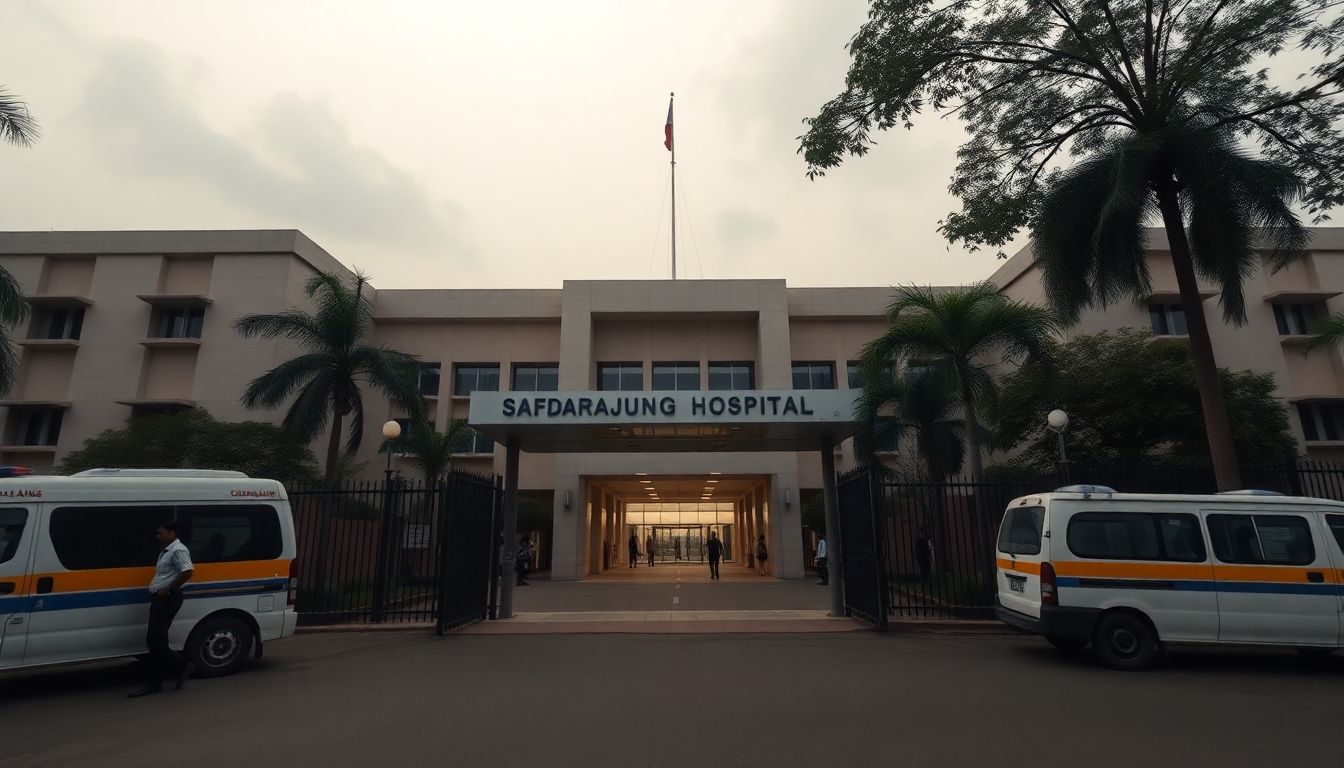
The Delhi High Court has rejected a plea by hunger striker Sonam Wangchuk's wife, Gitanjali Angmo, to transfer him to a private facility, upholding the government's decision to keep him hospitalized at Safdarjung Hospital. The court's decision was made after Wangchuk failed to check himself into any hospital facility despite his deteriorating health.
Wangchuk was forcibly removed from his protest site and taken to Safdarjung Hospital. According to a health bulletin issued by the Union Health Ministry, his condition warranted immediate medical intervention, but he initially declined intravenous fluids, oral rehydration solution (ORS), and all medications. His treating doctor later informed the court that Wangchuk had started taking sugarless ORS and potassium tablets.
The case has highlighted the ethical conflict between state intervention to preserve life and an individual's right to refuse treatment. Guidelines from the World Medical Association (WMA), revised since 1993, state that any enteral or parenteral feeding against the will of a mentally competent hunger striker is considered "forced feeding" and is "never ethically acceptable." The WMA emphasizes that physicians must respect individual autonomy when a valid and informed refusal has been made.
This ethical stance aligns with Indian legal precedent. In the 2018 Common Cause vs Union of India case, the Supreme Court of India ruled that a mentally competent individual has an unconditional right to refuse medical treatment, even if it results in death, and that neither the law nor the Constitution can compel them to accept it.
The WMA declaration also addresses the dual loyalties of physicians employed by authorities, stating that their primary obligation remains to the individual patient. It urges doctors not to allow themselves to be pressured into breaching ethical principles for non-medical reasons. Although the Indian Medical Association (IMA) is a member of the WMA, the association's leadership did not comment on the situation.
Addressing the dilemma faced by doctors, Dr. RV Ashokan, former national president of the IMA, stated that clinicians must navigate a thin line between saving a life and respecting a patient's refusal. Dr. Ashokan noted that a physician should follow their conscience and not concede to coercive directives of the state.