Delhi High Court Questions Mandatory MP, MLA Endorsement for Delhi Lakshmi Yojana
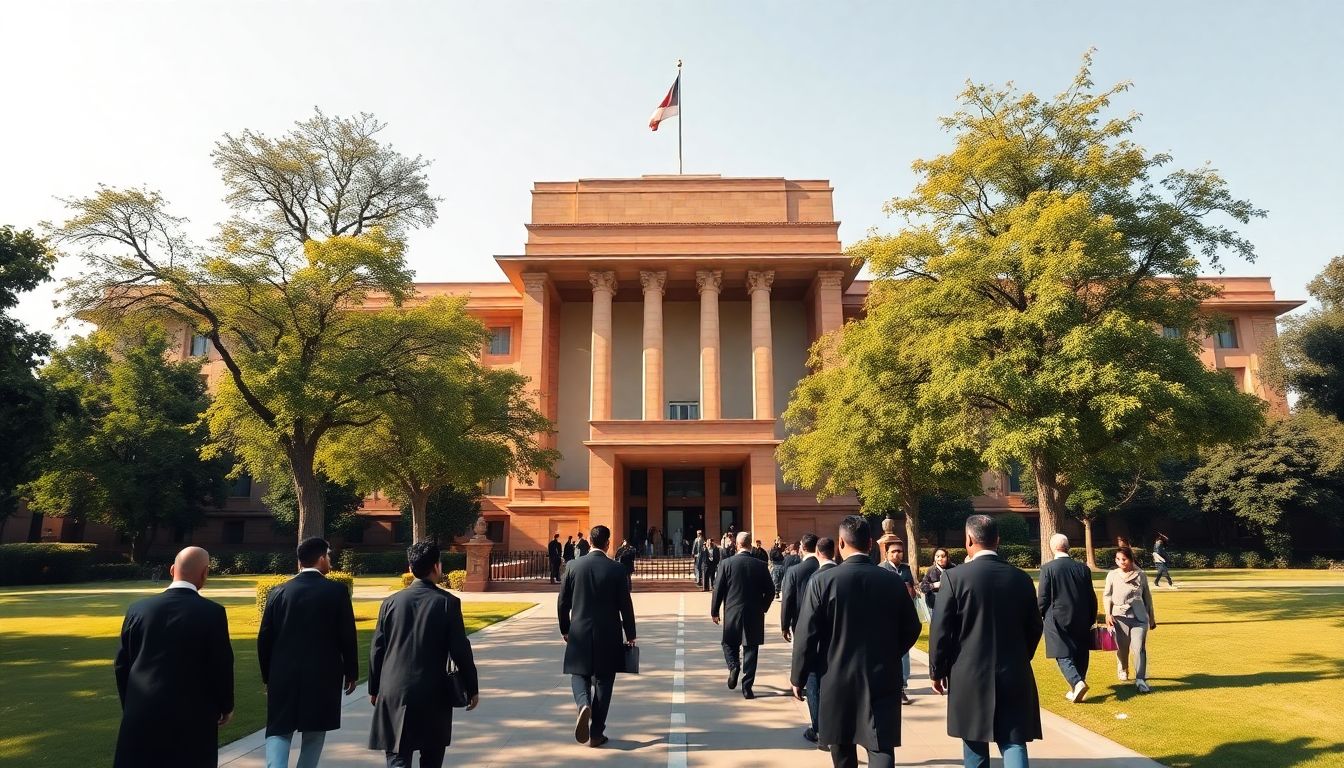
The Delhi High Court on Monday directed the Delhi government to file an affidavit within 10 days explaining the rationale behind requiring women applying for the Delhi Lakshmi Yojana to secure an endorsement from their Member of Parliament or Member of Legislative Assembly.
A Bench comprising Chief Justice Devendra Kumar Upadhyaya and Justice Tejas Karia questioned the necessity of making political endorsements compulsory for every applicant under the welfare scheme, which provides financial assistance of ₹2,500 per month to eligible beneficiaries.
The court issued the direction while hearing a petition moved by former Congress councillor Abhishek Dutt and Aya Nagar councillor Vedpal Sheetal Chaudhary. The plea challenged the mandatory endorsement clause, arguing that it grants elected representatives "unbridled discretion" and risks converting a statutory welfare entitlement into an "instrument of political patronage".
During the hearing, the Bench instructed the Delhi government to submit a short affidavit detailing what objective it seeks to achieve by including the endorsement requirement in the scheme's guidelines.
Appearing for the Delhi government, Additional Solicitor General Chetan Sharma defended the provision before the court. He submitted that similar welfare frameworks are operational in other States and that comparable endorsement conditions exist across the country.
The High Court has scheduled the next hearing in the matter for October 17.
The Delhi Lakshmi Yojana officially became operational on August 1 following the rollout of a dedicated online registration portal. Under the eligibility criteria, women aged between 21 and 60 years with an annual family income of up to ₹2.5 lakh are entitled to apply for the monthly financial aid.
The scheme excludes income-tax payers, government employees, families with more than three children, households owning a four-wheeler, and those with a family member in government service.