Delhi High Court Orders Takedown Of Five Posts Against BJP MP Raghav Chadha
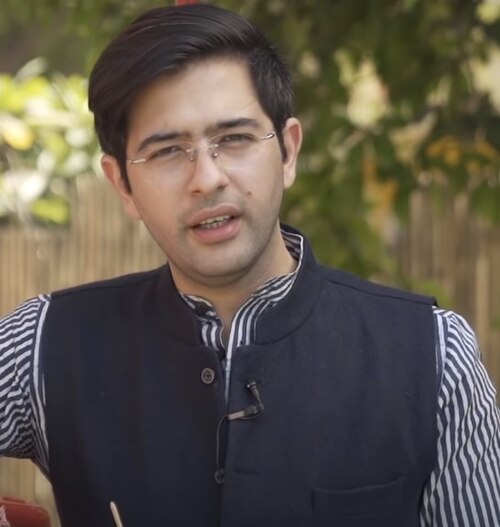
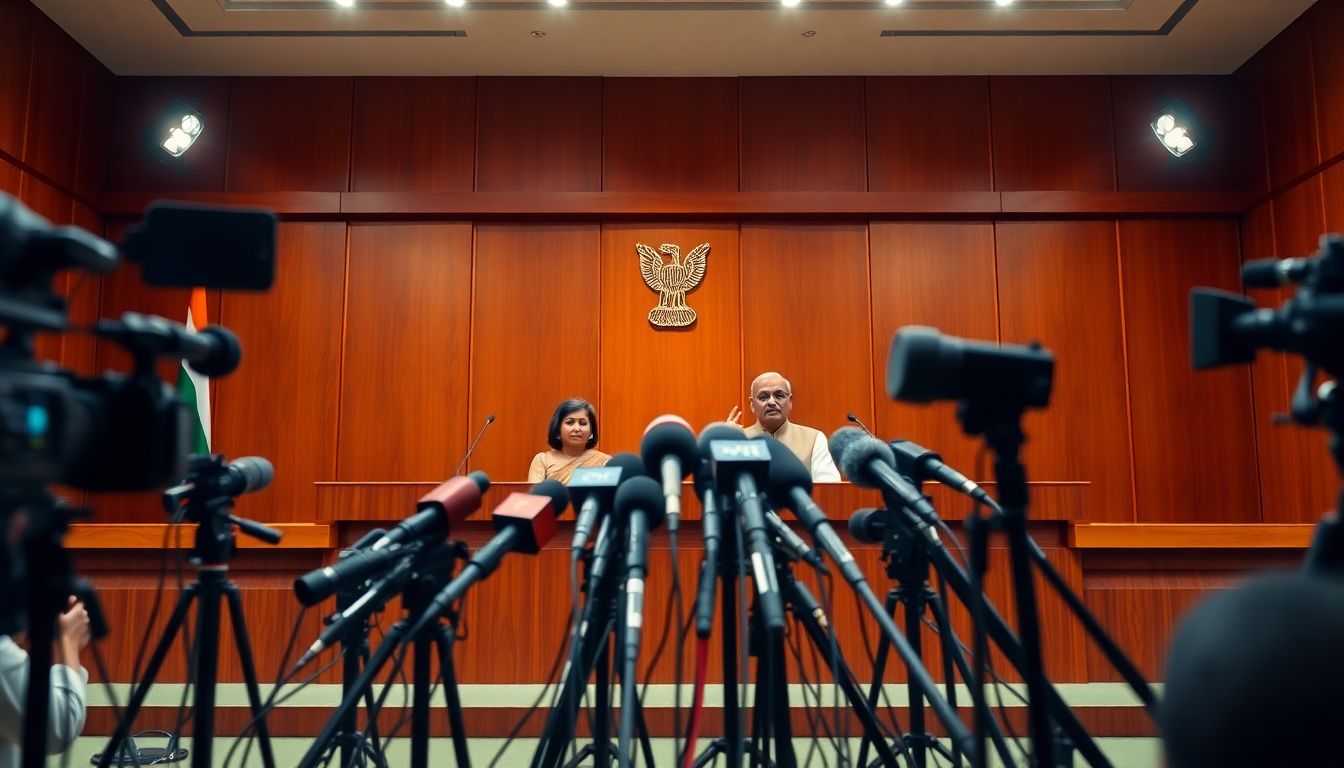
On Wednesday, July 1, 2026, the Delhi High Court refused to grant interim protection to BJP MP Raghav Chadha’s claimed personality rights over alleged AI-generated deepfakes and manipulated videos. However, the court ordered the removal of five social media posts that it found to be prima facie defamatory.
Justice Subramonium Prasad, presiding over the case, held that the matter did not, at this stage, involve a violation of personality rights. The judge clarified that the court had ordered the takedown of only five specific documents, stating that the rest of the content was not prima facie defamatory.
Mr. Chadha filed the lawsuit alleging that an orchestrated campaign was launched to malign his reputation after he was removed as the Deputy Leader of the Aam Aadmi Party (AAP) in the Rajya Sabha and subsequently joined the Bharatiya Janata Party (BJP). According to his plea, the campaign involved malicious AI-generated content, deepfakes, and manipulated videos. He sought the protection of his personality rights and the removal of the offending material.
During the proceedings, the Delhi High Court expressed reservations regarding the maintainability of the personality rights claim. Justice Prasad observed that the dispute appeared to concern criticism of a political leader's decisions rather than the unauthorized commercial exploitation of his identity. The judge previously remarked that a decision taken by Mr. Chadha in the political arena was being criticized.
Senior Advocate Rajiv Nayar, representing Mr. Chadha, argued that several social media posts had crossed the line from legitimate political criticism to defamation. He contended that the posts falsely portrayed the Rajya Sabha MP as having "sold himself for money."
In response, Justice Prasad questioned whether such allegations could be brought within the scope of personality rights, highlighting the distinction between commercializing personality rights and facing political criticism. The court also referred to a precedent involving Congress leader Shashi Tharoor, where personality rights were protected due to his distinctive style of speech and demeanour.