Delhi High Court Dismisses Plea Against Delhi Race Club Eviction in Lutyens' Delhi
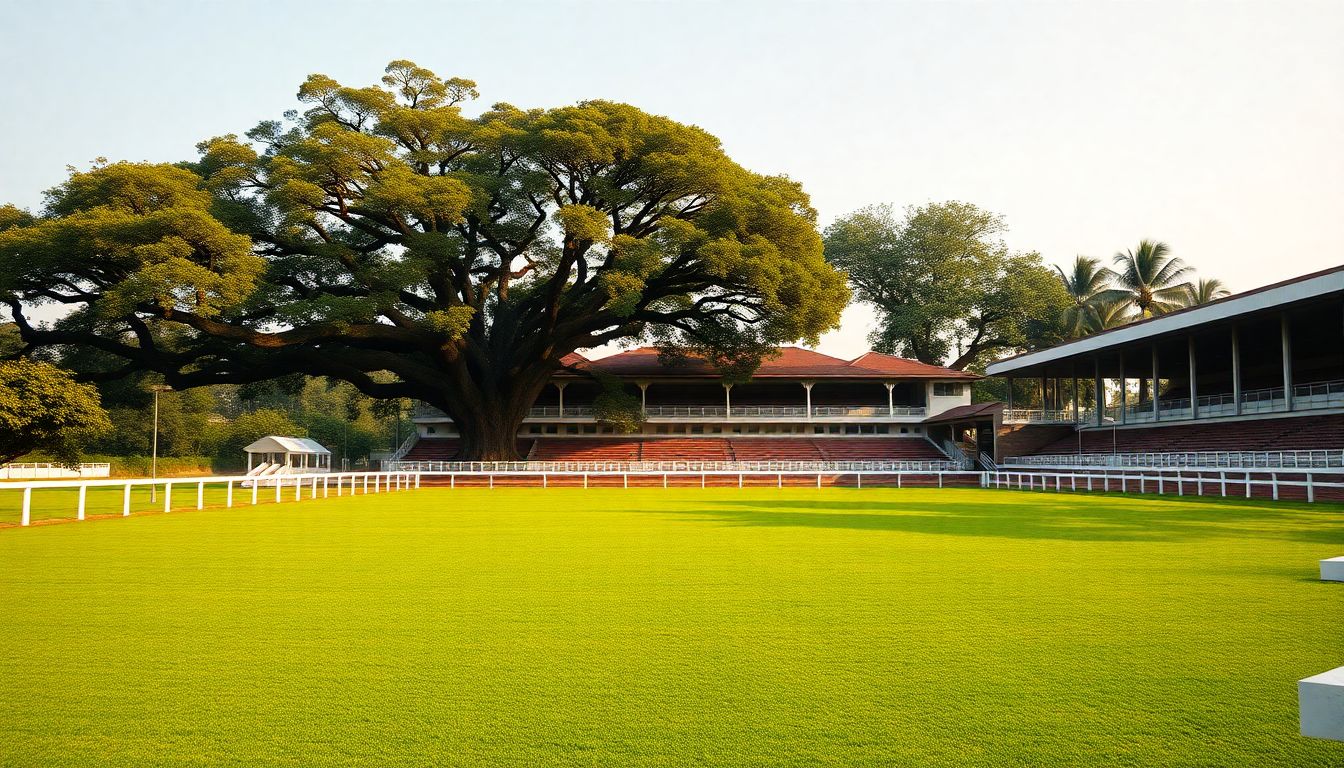
The Delhi High Court on Friday dismissed a petition by the Jockey Association of India challenging an eviction order issued against the Delhi Race Club from its 53-acre premises in Lutyens’ Delhi.
Justice Harish Vaidyanathan Shankar held that the association’s petition was not maintainable, noting that the Delhi Race Club, as the affected party, had already challenged the eviction order.
Opposing the petition, Ashish Dixit, counsel for the Union government, argued that the Jockey Association had no locus to challenge the eviction order because it was not a party to the lease agreement between the club and the government for the land.
The Estate Officer, acting under the Public Premises (Eviction of Unauthorised Occupants) Act, 1971, had issued an order on August 11 directing the club to vacate the entire premises within 15 days.
The Jockey Association had challenged the eviction order, stating that it would affect the employment and livelihoods of jockeys, trainers, stable hands, and other members associated with horse racing. The association contended that the Delhi Race Club is the only facility in north India equipped with specialised infrastructure for thoroughbred horse racing, stabling, training, and exercise.
In its plea, the association argued that the authorities' decision to take over the premises was arbitrary and contrary to law. The petition stated that evicting the club without providing an alternative facility would leave jockeys with no place to stable, train, or exercise horses, thereby violating their rights under Articles 19(1)(g) and 21 of the Constitution.
The plea further questioned the Centre’s claim that the land was required for a public purpose, asserting that authorities had neither disclosed the intended purpose nor explained how ongoing racing and equestrian activities would be accommodated. It stated that the eviction order would destroy an existing sporting institution while serving no identified public purpose.
The Central government maintained that the 1926 lease deed with the club, which covered an 84.48-acre plot, was not perpetual and had expired on December 31, 1994.