Delhi HC Upholds DU's Rs 1-Lakh Indemnity Rule for DUSU Elections
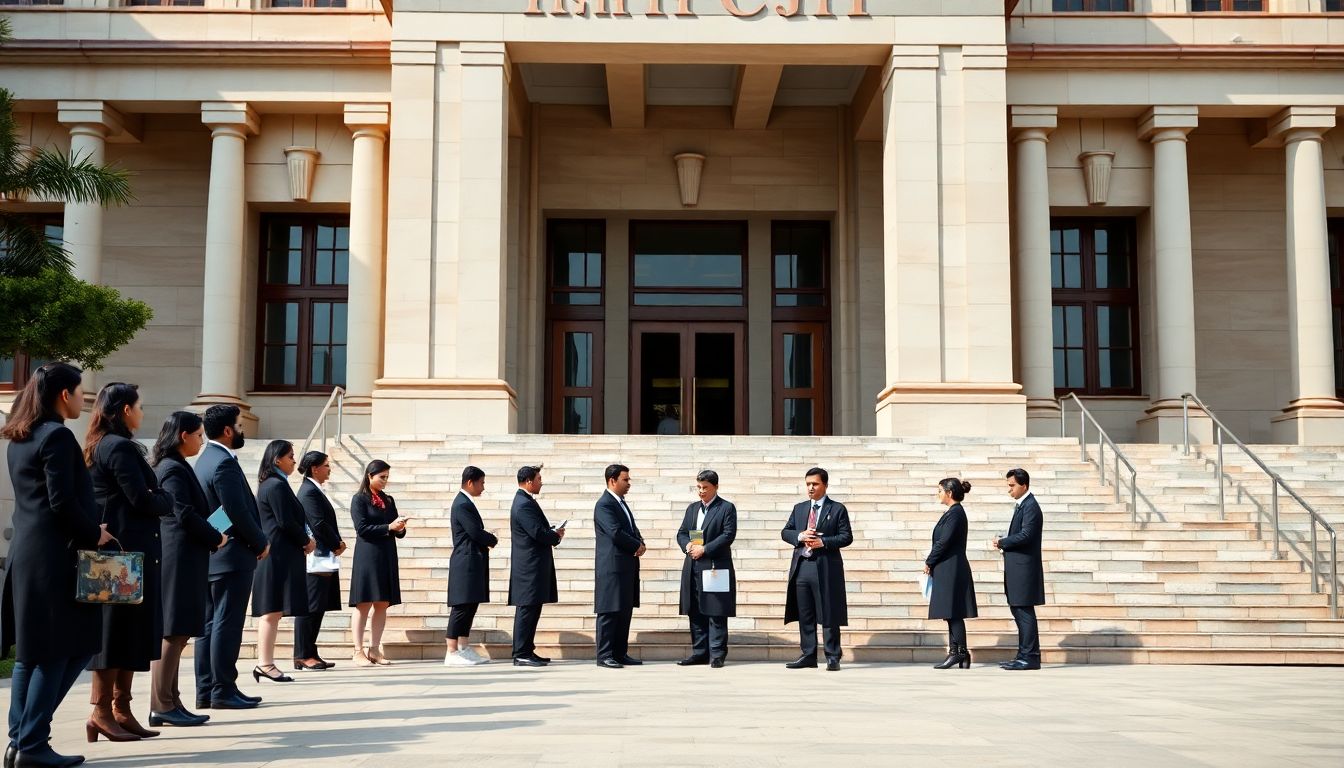
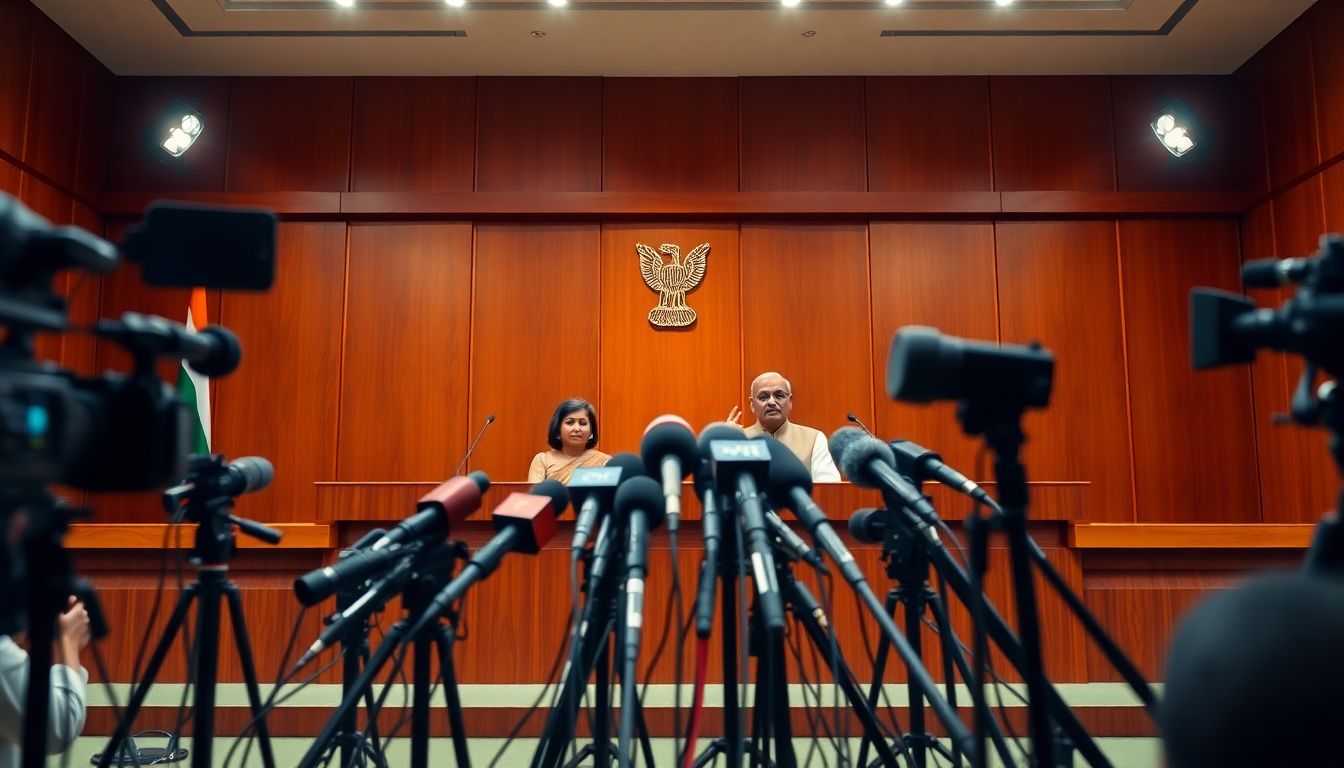
The Delhi High Court on Thursday declined to interfere with Delhi University's requirement of a Rs 1-lakh indemnity bond for candidates contesting the Delhi University Students' Union elections. The court, however, clarified that candidates are not restricted to their parents, noting that anyone who is in a position to pay Rs 1 lakh can stand as surety.
Justice Jasmeet Singh heard the matter after activists from the All India Students' Association approached the court challenging an affidavit prescribed by the DUSU election committee. The prescribed document mandated that aspiring candidates obtain consent along with surety from their parents or guardians to contest the student polls.
Justice Jasmeet Singh observed that the requirement itself was reasonable, pointing out the state of campuses during student campaigns. The court noted that during election periods, the situation turns chaotic and the condition of walls across colleges becomes pitiable, leading the bench to see merit in enforcing the mandatory indemnity condition.
Addressing the restriction on who can provide the financial guarantee, Justice Singh remarked that the condition is fair and reasonable except that the bond need not only be given by the parents and can be given by anyone. The judge noted that candidates do not have to let their parents provide the surety, adding that anyone possessing the financial means can pay.
Representing Delhi University, counsel informed the bench that the measure was in place for the 2025 elections as well and that no changes were introduced this year. The university's counsel argued that the condition was instituted solely to prevent property damage, particularly the defacement of walls across college campuses.
Under the terms of the affidavit, candidates must formally undertake to indemnify the university or their respective colleges by paying up to Rs 1 lakh in the event of violations of applicable guidelines.
AISA had contested the rule in its petition, arguing that compelling adult students to secure parental consent and surety undermines their autonomy. The student outfit also alleged that imposing such financial criteria could prevent students from contesting the union elections.