Delhi HC Slams Police Over Selective Arrests in 2024 Child Trafficking Case

The Delhi High Court has deprecated the police for failing to arrest a nurse accused of being a key suspect in a 2024 child trafficking case, observing that investigating agencies cannot adopt a "pick and choose" approach while making arrests.
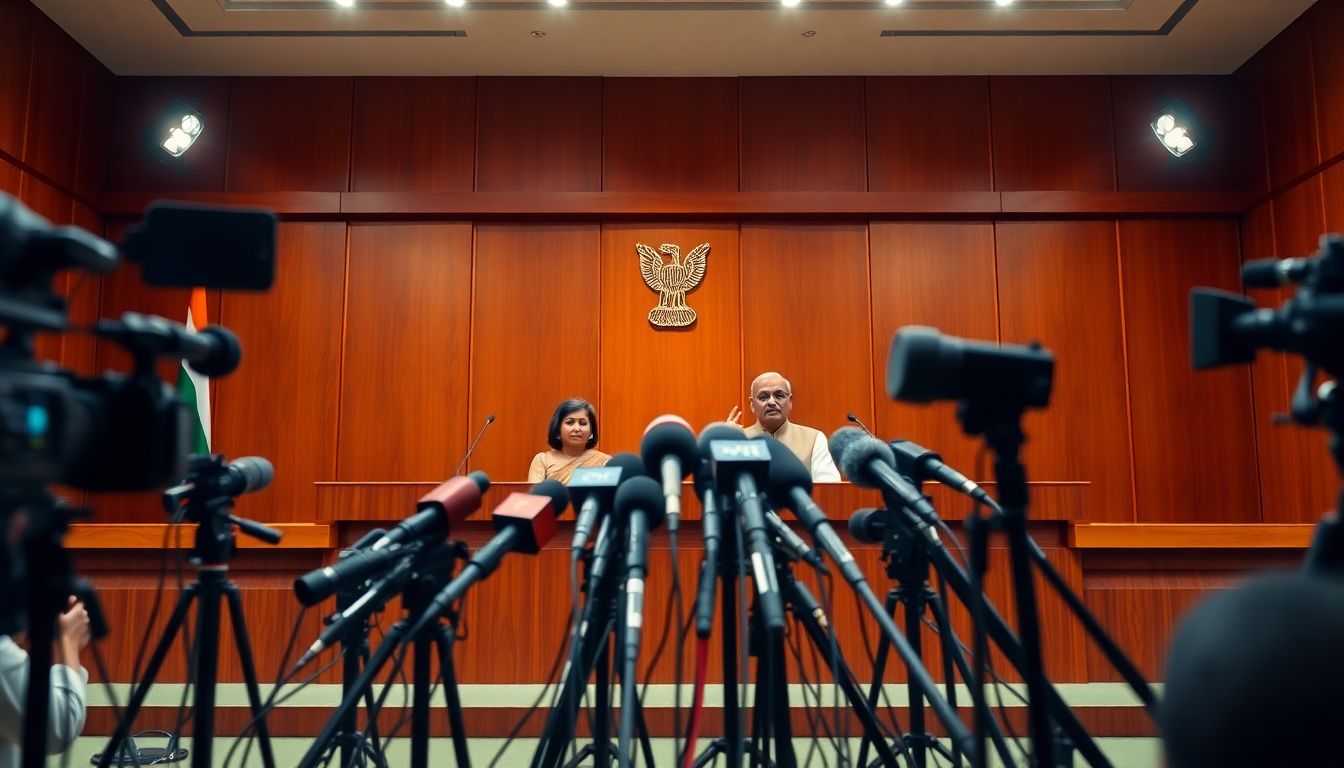
Justice Girish Kathpalia made the observations in an order passed on August 31 while dismissing the bail plea of a male accused in the case. The court stated that it could not approve the State’s policy of arresting some accused persons while leaving others untouched.
According to the case details, the bail applicant and another accused allegedly posed as husband and wife while taking custody of an infant girl, who was subsequently sold to another person. Seeking bail, the applicant argued that he had been falsely implicated and highlighted that nurse Kulvinder Kaur, alleged to be the main accused, had not been arrested.
"Of course, the policy of the State to selectively arrest some of the accused persons cannot be approved. The police should clearly state as to whether they want to arrest an accused or not. The court cannot direct the police to do or not to do so. Such kind of pick and choose in matter of arrest must be deprecated," Justice Kathpalia observed.
The court directed the investigating officer to clarify the status of Kaur’s arrest, pointing out that there appeared to be no explanation for the selective arrest and that police were taking virtually no action against her. The prosecution informed the court that Kaur is an "unqualified nurse" and stated that she would be arrested, prompting the court to observe that the State now seemed to realise the gravity of the alleged offence.
Justice Kathpalia also directed the concerned Deputy Commissioner of Police to ensure that the infant girl is rescued at the earliest, calling for a status report within four weeks.
While rejecting the bail application, the court noted that material on record prima facie showed the applicant had sold the infant. The court referred to photographs showing him receiving the baby in the presence of her biological parents. The court observed that an infant suffers a tremendous dent in her psyche when taken from her biological mother and passed on to others, describing the applicant's alleged role as highly appalling.