Delhi HC Denies Anticipatory Bail to Ram Singh in ₹26.18 Crore PMLA Case
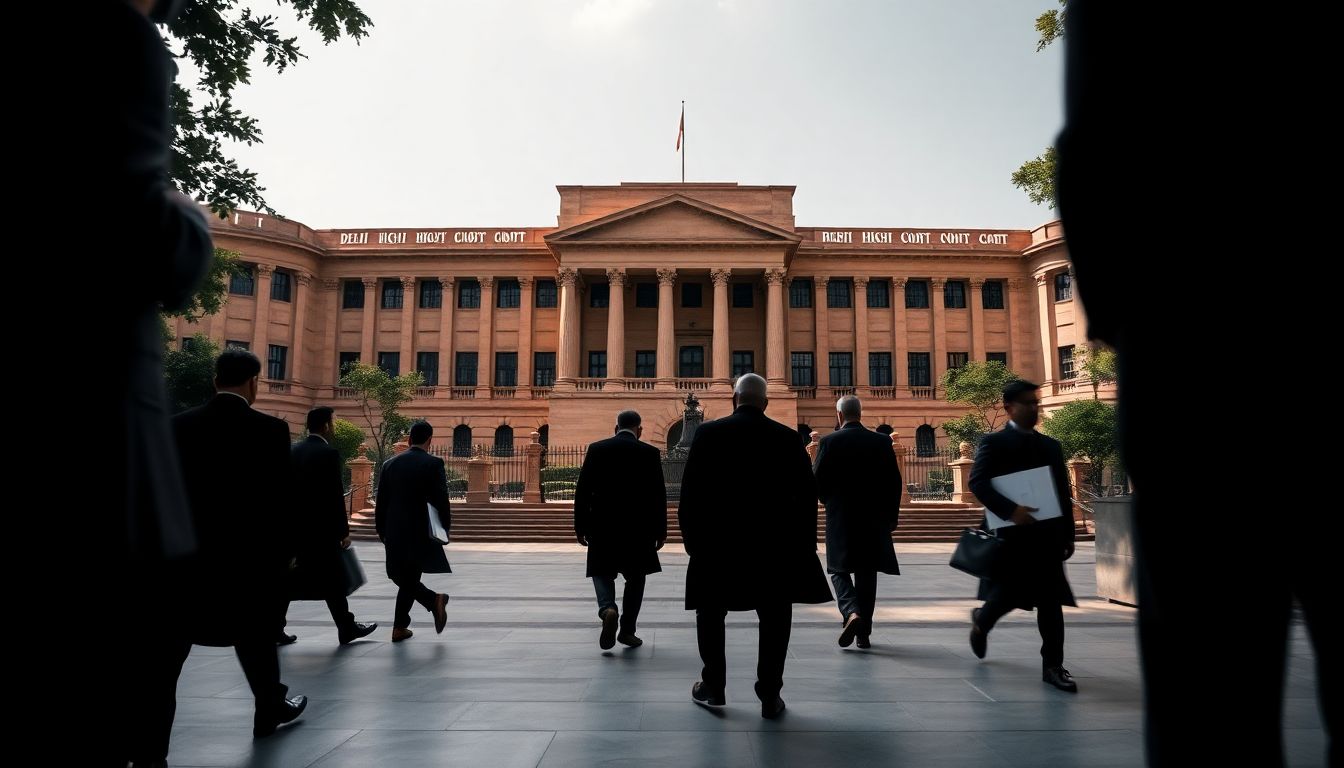
The Delhi High Court has denied anticipatory bail to businessman Ram Singh of Babaji Finance Group in a money laundering case, ruling that protection granted in a predicate offence FIR does not automatically extend to distinct proceedings under the Prevention of Money Laundering Act (PMLA).
In an order dated August 18, Justice Madhu Jain dismissed the petitioner's argument that his apprehension of arrest should be evaluated in the context of protection earlier granted to him by the Supreme Court in the underlying predicate offence FIR.
Justice Jain stated that the protection granted in the predicate offence operates strictly in the context of that specific FIR and cannot be construed as extending to independent PMLA proceedings. The court noted that economic offences constitute a distinct category that demands a stringent approach when deciding on bail pleas, given their deep-rooted conspiracies and serious impact on the financial health of the country.
The case arose from an Enforcement Directorate (ED) investigation. Following a search conducted at the accused's residence in Delhi, the agency identified Singh as a key conspirator in the alleged money laundering operation. The agency informed the court that material on record traces proceeds of crime amounting to around ₹26.18 crore to the petitioner.
Singh's counsel argued that the predicate scheduled offences primarily involved cheating, inducement, forged documents, and transactions linked to SARFAESI properties, with the main allegations directed against co-accused individuals. The counsel maintained that Singh had not personally induced complainants, forged documents, or participated directly in the property transactions.
Opposing the bail plea, the ED counsel stated that the petitioner had bypassed the sessions court and failed to cooperate with the probe despite multiple summonses. The agency argued that Singh's personal appearance was critical to trace the proceeds of crime, confront him with documentary and digital evidence, and gather information within his exclusive knowledge.
The high court observed that neither Singh nor his authorised representatives appeared before the ED in response to repeated summonses. Instead, only a written reply was submitted through his counsel, which the court described as an attempt to avoid the inquiry process.
Justice Jain concluded that the petitioner failed to satisfy the statutory conditions under the PMLA and did not demonstrate reasonable grounds to believe he was not guilty. Taking into account the financial trail, bank account analysis, statements recorded under Section 50 of the PMLA, and the petitioner's conduct, the court found sufficient material linking Singh to the alleged proceeds of crime and dismissed the anticipatory bail plea.