Delhi Govt Schools Face Counsellor Shortage Across 1,090 Campuses
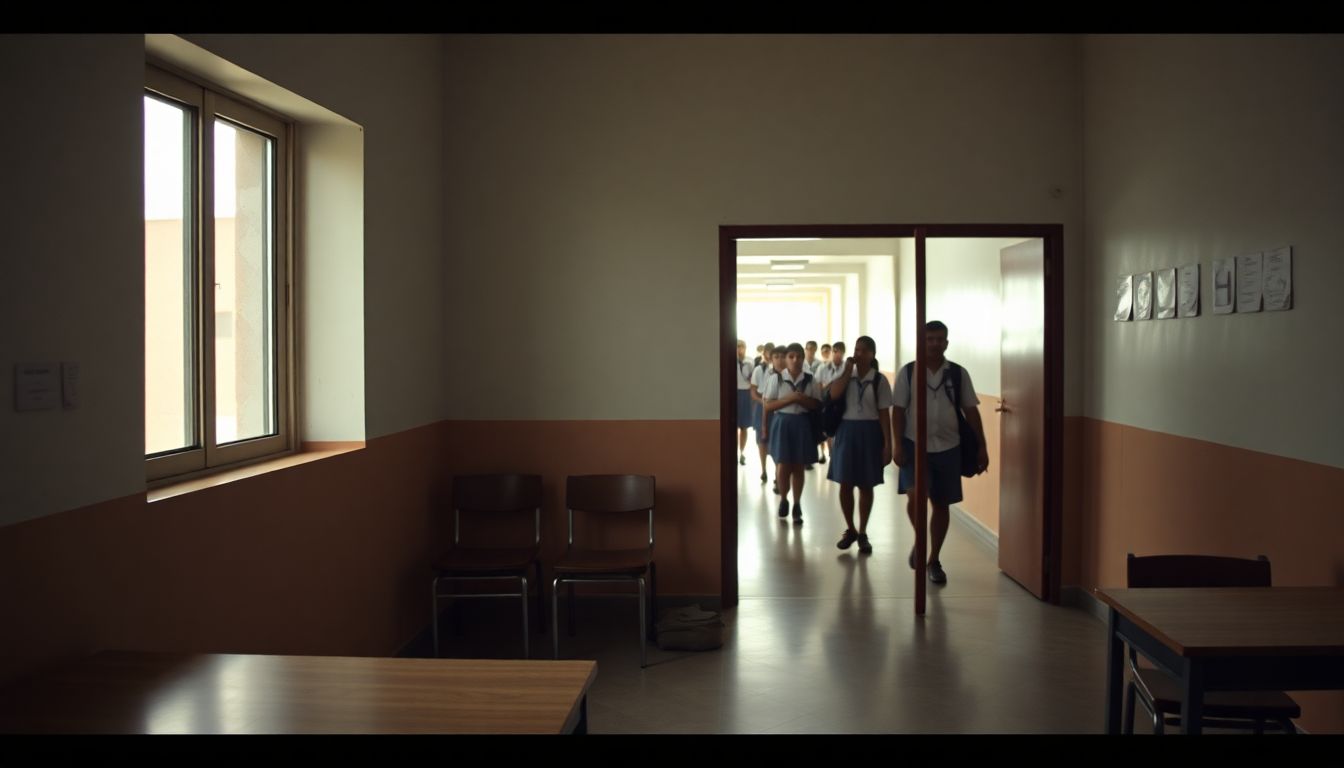
Delhi government schools are grappling with a significant shortage of trained counsellors, leaving the support system for students stretched across about 1,090 schools under the Directorate of Education in New Delhi. The shortfall comes as the Delhi High Court stressed that educational institutions must create an environment where children feel confident reporting any conduct causing fear, discomfort, or insecurity.
At present, the Directorate of Education has 489 educational and vocational guidance counsellors (EVGCs) and over 500 teacher-counsellors. EVGCs are specialist counsellors recruited through the Delhi Subordinate Services Selection Board or engaged as guest counsellors to provide psycho-emotional, personal, academic, and career counselling. Teacher-counsellors are regular teachers assigned counselling duties alongside their routine academic responsibilities.
The current staffing levels fall substantially short of established benchmarks. Officials previously estimated that achieving an ideal ratio of one counsellor for every 250 to 300 students would require 6,000 to 7,000 professionals across the city. Even meeting the Central Board of Secondary Education guideline of one counsellor for every 500 students would require 3,500 to 3,600 counsellors.
In a recent meeting with the Delhi Commission for Protection of Child Rights, stakeholders raised concerns over the deficit and urged the authorities to recruit more personnel. Because EVGCs are frequently shared among multiple school campuses, sustained engagement with students is restricted.
A government schoolteacher noted that the shortage results in delays in providing assistance, frequently leaving teachers to step into roles for which they lack specialised training. The issues students bring to counsellors include academic pressure, bullying, cyberbullying, family conflict, grief, trauma, and substance abuse.
Psychologist Kadambari Katoch pointed out that early counselling can prevent such concerns from escalating. She noted that professionals attempt to identify children experiencing crises, adding that students often prefer not to discuss these issues with teachers or peers who know them well.
While Delhi government schools have introduced wellbeing initiatives such as yoga, meditation, and mindfulness, and CM SHRI Schools focus on holistic development, educators and psychologists stressed that curricular programmes cannot replace adequate numbers of trained counsellors providing individual support.