Delhi Gig Workers Face Severe Road Risks and Long Hours, Survey Finds
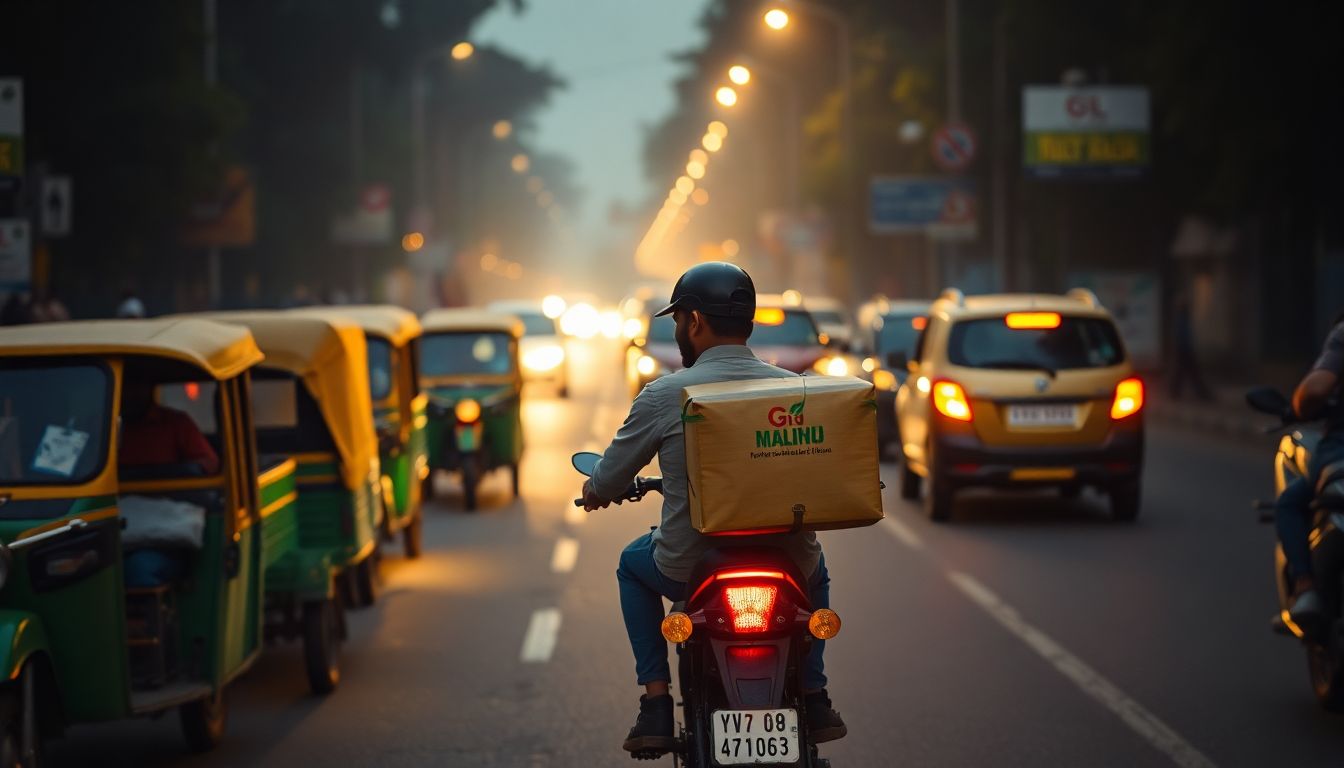
Nearly three-quarters of platform-based gig workers in Delhi feel unsafe while travelling on city roads for work, with only 5% reporting that they feel safe, according to a survey released on Thursday. The findings were published in the "Occupational Safety and Health of Platform-based Gig Workers in India: Report on a Nationwide Survey", conducted jointly by the non-governmental organisation Janpahal and the Gig Workers Association of India.
The report examined working conditions across food and grocery delivery, ride-hailing services, e-commerce delivery, and household and personal care platforms. While the broader study spanned 10 cities, Delhi-specific findings highlighted severe exposure to traffic hazards, physical violence, harsh weather, and inadequate institutional support.
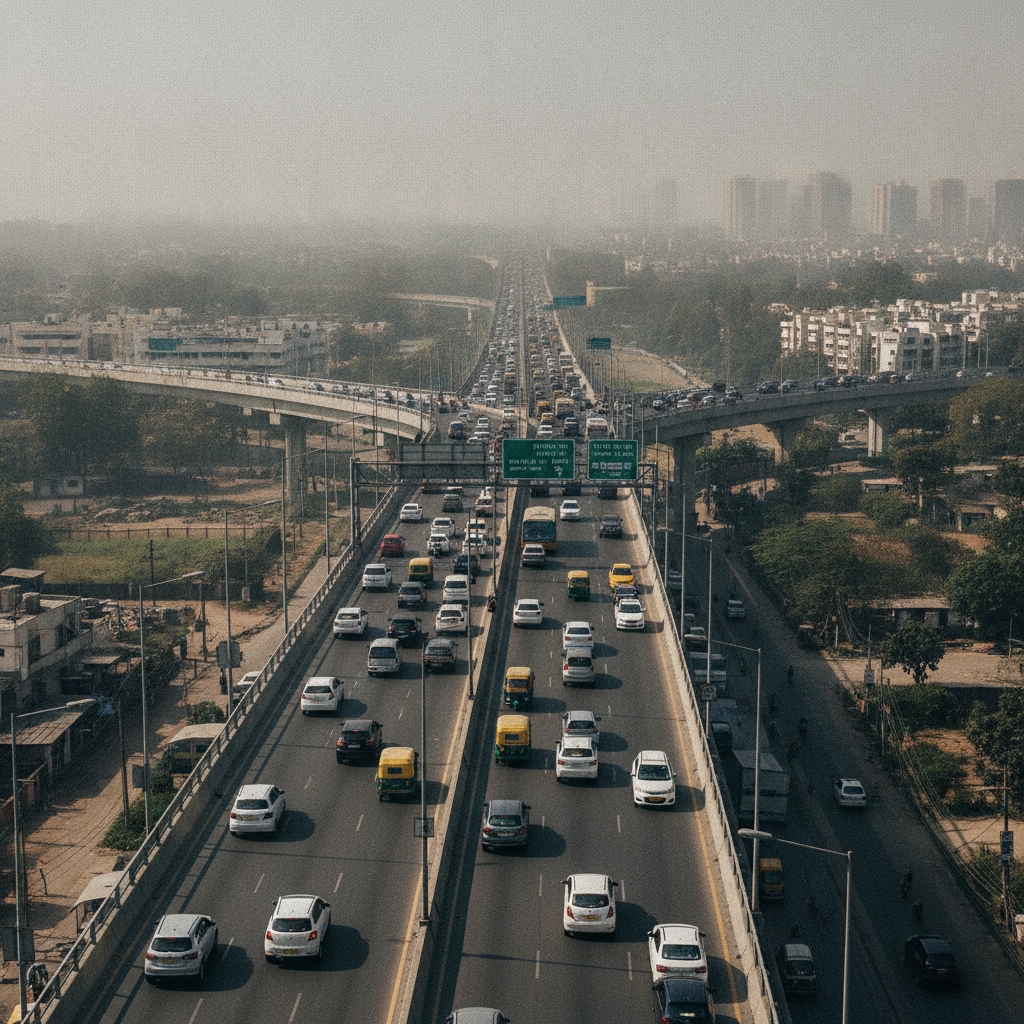
Road hazards formed the most immediate threat to delivery personnel and drivers navigating Delhi's streets. More than four in five respondents reported experiencing a near-miss with another vehicle, making it the most frequent incident cited. More than half sustained injuries linked directly to poor road conditions, and over a third reported involvement in traffic accidents. Potholes, speeding vehicles, and chaotic traffic contributed to 76% of workers frequently encountering unsafe situations during work shifts that typically ranged between 49 and 70 hours per week.
Risks extended beyond vehicular traffic to interactions with the public. Customer harassment and behavioural issues made up 30% of reported incidents, with more than half of respondents stating they had personally suffered harassment, abuse, or violence on the job. Another 16% reported witnessing such incidents against fellow workers.
Despite these dangers, institutional protections remained minimal. Approximately 97% of respondents received either no safety training or found it insufficient, with just 1% reporting comprehensive platform-provided resources. Additionally, 81% lacked confidence in platform reporting mechanisms for safety concerns, over half received no health support, and 92% had no health insurance or had never claimed it.
Severe weather conditions in the national capital further exacerbated health problems. While 98% had worked through extreme heat and 90% through severe cold, 89% noted that their platforms lacked extreme weather policies. Almost all surveyed workers reported musculoskeletal issues such as back or neck pain, 97% suffered fatigue or sleep disruption, 89% reported dehydration, and roughly 76% suffered heat stroke or severe overheating. Furthermore, one-third rarely or never used toilet facilities while on duty, and 75% of those who did were forced to rely on paid public facilities.
Janpahal secretary Dharmendra Kumar stated that the survey addresses critical occupational risks that are routinely ignored. "Protecting workers must go beyond accident prevention. Extreme heat and lightning also need to be recognised as occupational safety and health risks," Kumar said. The report called for stronger worker rights, climate safeguards, safety training, grievance mechanisms, insurance, and greater platform accountability.