Delhi Discom Ready for 700MW EV Charging Demand by 2030, BRPL Official Says
Delhi’s power distribution network is prepared to manage the projected surge in electric vehicle adoption, with charging demand expected to reach approximately 700MW by 2030, an official from BSES Rajdhani Power Limited announced at the India Clean Transportation Summit 2026 on Wednesday.
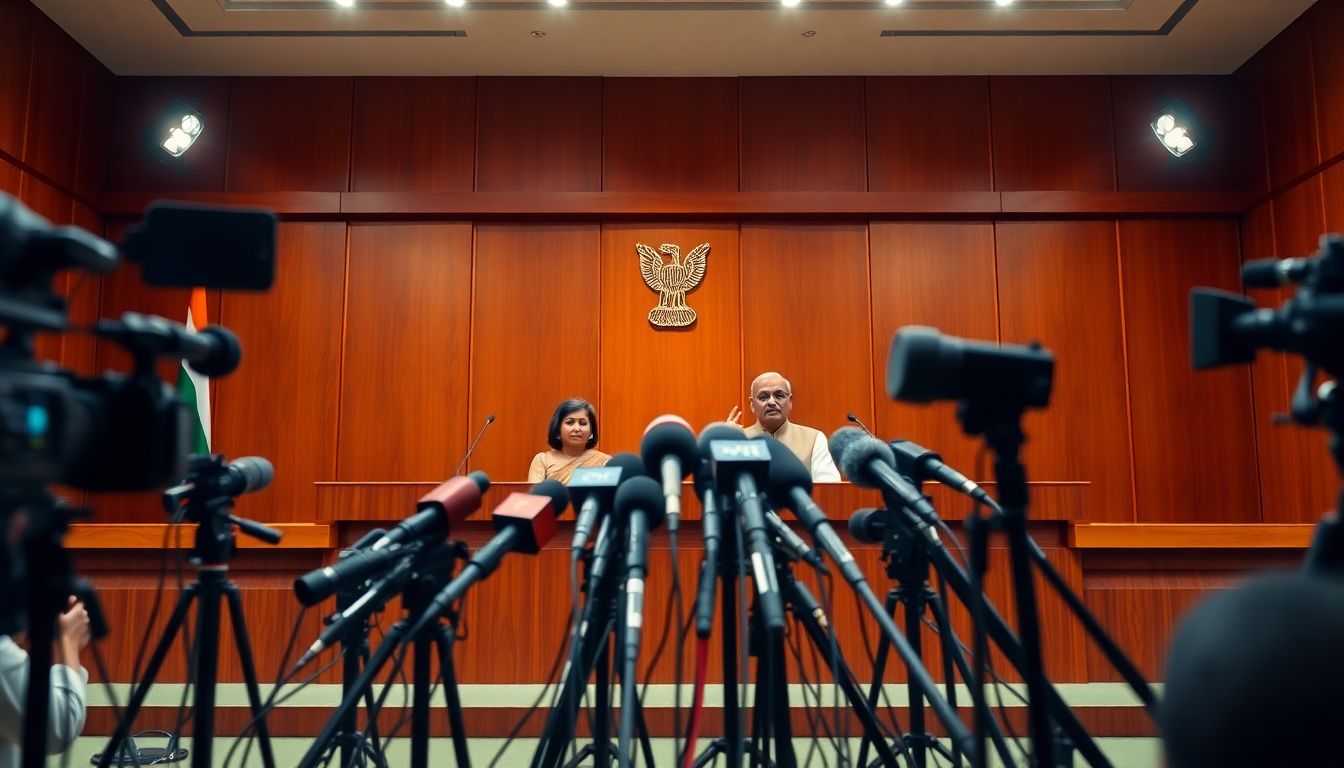
Speaking at the summit, Pradeep Agarwal, general manager of BSES, stated that electric vehicle numbers in Delhi could grow more than sevenfold by 2030 under the Delhi EV Policy 2.0. The anticipated EV power demand of 700MW would represent around 3% of the capital's overall electricity requirements.
Under the mandates of the new policy, the number of electric vehicles across Delhi is projected to rise from roughly 4.7 lakh currently to around 35 lakh by 2030. Agarwal noted that these vehicles are estimated to consume roughly 700 megawatts per day, describing it as a manageable share of the total electricity demand.
BRPL, which serves roughly half of Delhi’s electrical load, currently manages a sanctioned EV load of 155MW against a peak demand of 3,960MW, accounting for about 3% to 4% of its overall load. The distribution company is actively examining strategies to optimise vehicle charging demand during periods of peak power consumption.
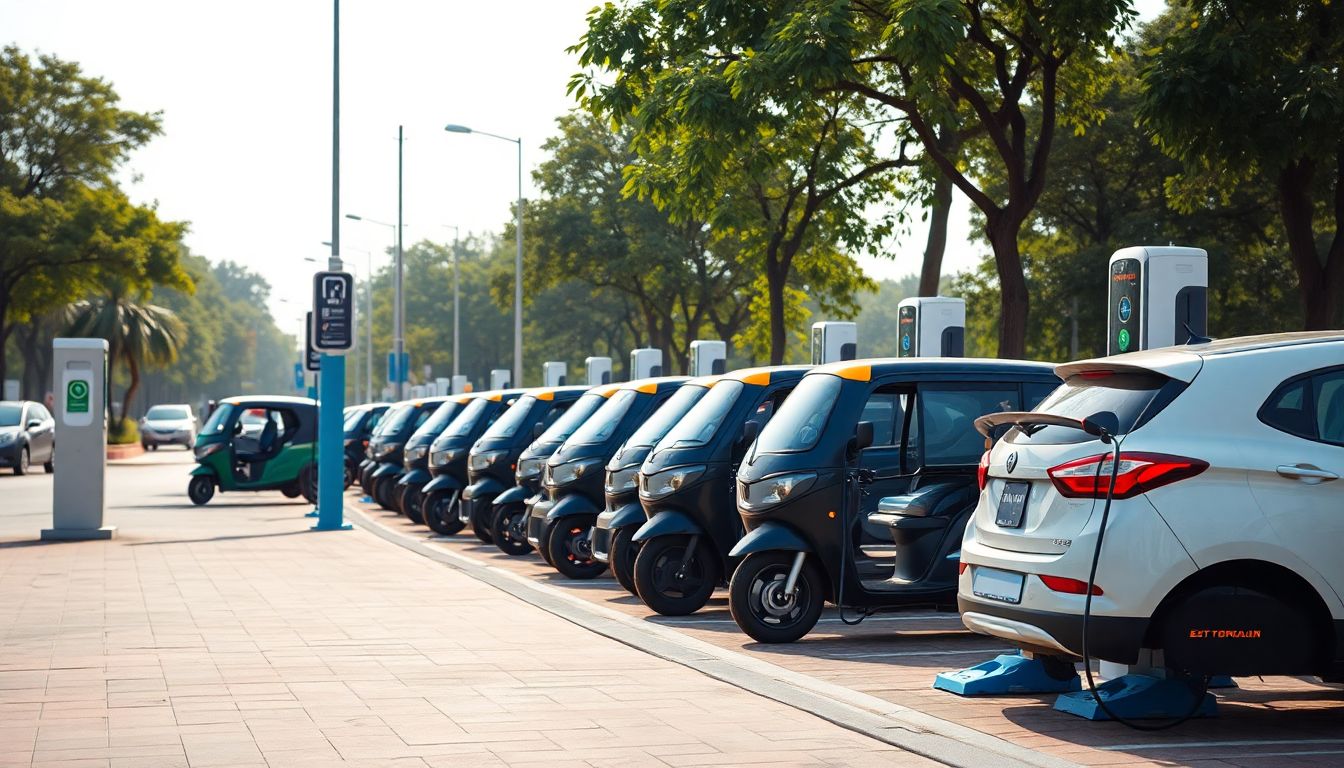
Agarwal highlighted that residents’ welfare associations will need to coordinate charging infrastructure development alongside rising EV ownership. Round-the-clock charging can be utilised where consumers already possess dedicated parking, while RWA premises could also accommodate shared facilities. However, parking availability remains a major barrier, with only about 10% of Delhi residents having parking spaces at home, necessitating the identification of community charging spaces.
RWAs will also be required to obtain fire safety clearances and upgrade existing residential electrical setups, including ventilation systems, cooling equipment, motor capacity, and transformers, as adoption expands.
Charging habits are expected to assist in balancing grid demand. Agarwal explained that winter EV charging largely aligns with discom load patterns, with full charging occurring between 10pm and 2am and intermittent charging between 2pm and 5pm. For summer peak periods, the utility plans to implement demand-response measures, including time-of-day tariffs and controlled charging mechanisms, to shift vehicle charging into off-peak hours.