Delhi Digitises 97.4 Lakh Voter Forms as 47.7 Lakh Face Exclusion in SIR Exercise
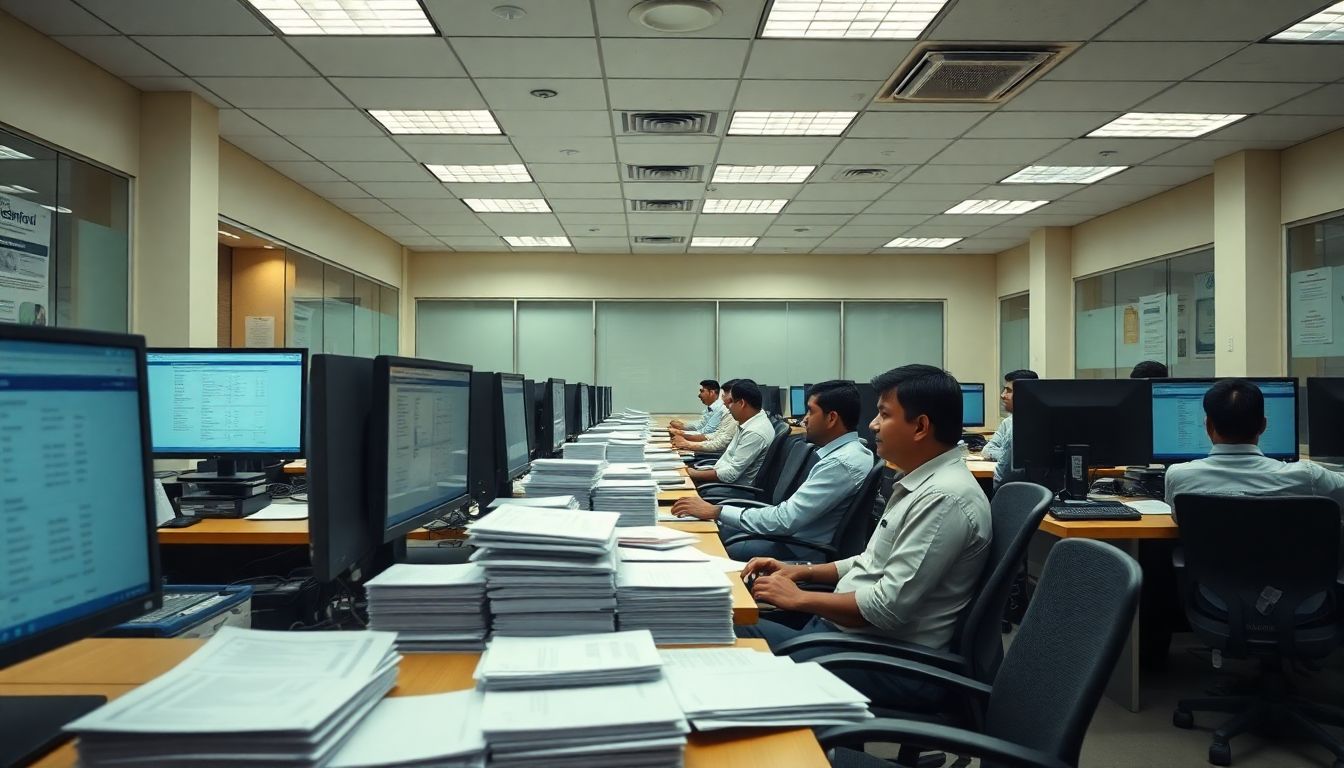
Around 67% of enumeration forms distributed to Delhi's 1.45 crore electors under the Special Intensive Revision (SIR) of electoral rolls have been digitised as of Monday, marking the conclusion of the enumeration phase. The digitised records account for 97.4 lakh voters whose names will appear on the draft roll scheduled for publication on August 24.
The remaining 47.7 lakh voters have been categorised as uncollectable under the Absent, Shifted, Dead, Duplicate, and Others (ASDDO) classifications. These individuals will not feature in the draft electoral roll and risk exclusion from the final electoral roll scheduled to be published on October 27.
A senior official noted that the potential removal of roughly 33% of names was expected given the high migrant population in the national capital, with the majority of unreturned forms belonging to individuals marked as shifted. The SIR deadline had previously been extended twice in July following requests by Chief Electoral Officer Ashok Kumar due to slow enumeration progress. Access to the Booth Level Officer app ended at midnight on Monday.
A separate list of electors falling under ASDDO categories is expected to be published, allowing affected individuals to submit claims and objections between August 24 and September 23.
Among the voters whose forms were submitted and digitised, over 33 lakh will need to submit one of 12 Election Commission-approved documents to verify their details during a month-long notice period after the claims and objections window. This group includes 13 lakh voters who could not establish a link to the previous SIR roll and over 19 lakh voters flagged for anomalies.
Election officials identified four types of logical discrepancies using an AI-based system, including multiple children linked to the same parent, parent-child age gaps under 15 years, mismatched names across rolls, and variations in surnames. The highest volume of flagged anomalies was recorded in north-east Delhi, where 3 lakh forms, representing 70% of the forms received in that area, contained discrepancies.
For vulnerable individuals such as homeless persons who lack standard documentation, Electoral Registration Officers have been authorised to evaluate and determine voter eligibility.