Delhi Court Acquits Four in 2018 Jamia Nagar Dowry Death Case
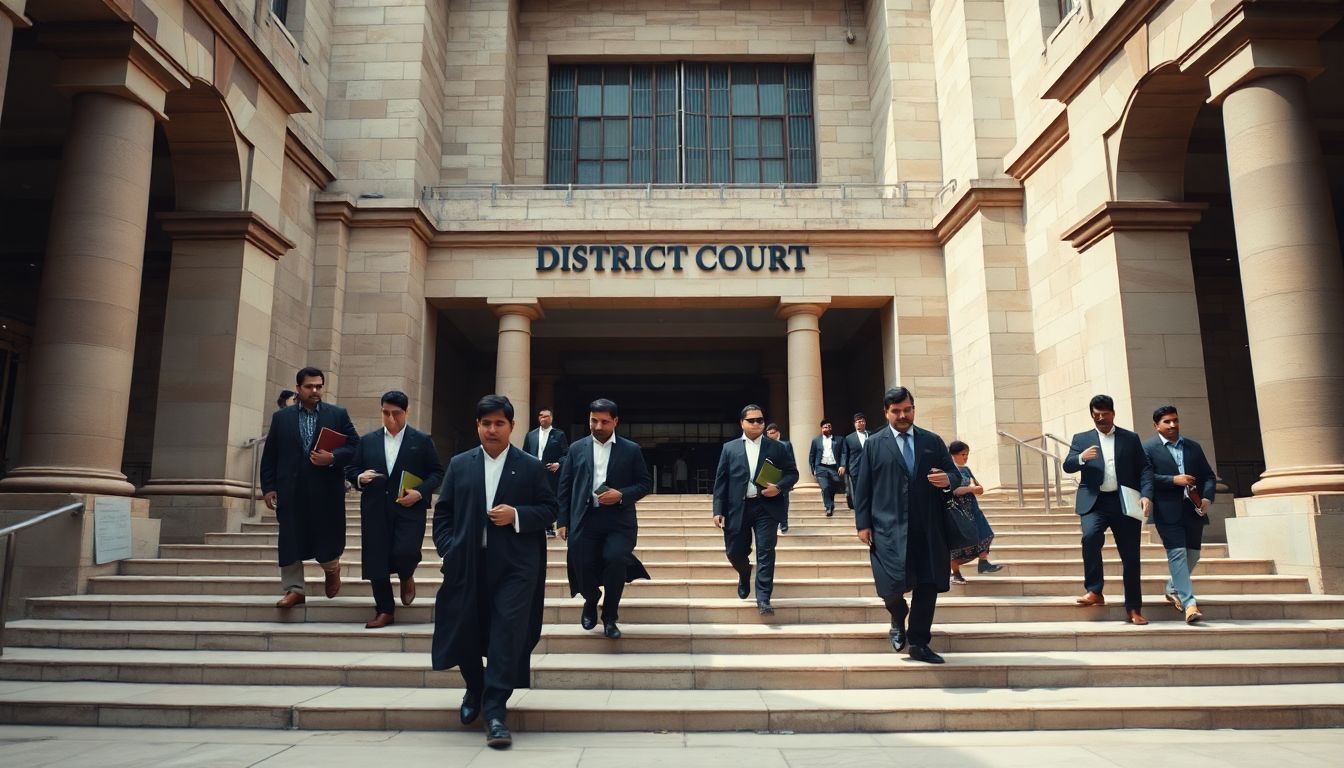
A Delhi court has acquitted a man, his parents, and another relative of charges of dowry death and abetment of suicide in connection with the 2018 death of a 20-year-old woman in south Delhi's Jamia Nagar. Principal District and Sessions Judge Hemani Malhotra ruled that the prosecution failed to prove dowry-related cruelty or instigation beyond reasonable doubt.
The court cleared the woman's husband, Arshad Malik; his father, Islamuddin; his mother, Firdos; and a relative, Ayyub Malik, of offences under Indian Penal Code Sections 304B and 306. The victim, Sheeba Malik, was found hanging at her parental residence in Jamia Nagar on August 25, 2018.
Sheeba had married Arshad in November 2016 and moved back to live with her parents shortly after the wedding. According to the prosecution, she faced harassment over dowry, and her husband and in-laws cast aspersions on her character. Prosecutors also claimed that Arshad remarried in July 2018, causing Sheeba mental distress, and alleged he told her during a phone call that she would be treated like a servant and paid ₹200 to ₹400 if she returned.
In an order issued on October 31, the court highlighted significant gaps in the evidence presented by the prosecution. The judge noted that Sheeba's mother turned hostile during the proceedings and contradicted statements she had given earlier. Her father also provided inconsistent accounts on key elements of the case, including the claims of dowry demands and cruelty.
Although a handwriting expert verified that Sheeba wrote the suicide note recovered during the investigation, the court ruled that the note alone could not serve as conclusive proof of the allegations against the accused. The judge observed that the prosecution failed to establish dowry-related harassment sufficiently proximate to her death, which is necessary to invoke the statutory presumption of dowry death.
Addressing the charge of abetment of suicide, the court determined that neither the alleged phone call nor the second marriage established intentional aiding or instigation. The judge concluded that the prosecution failed to establish any mens rea or active or direct act by the accused persons to instigate or aid in the commitment of suicide, ruling that the charge under Section 306 IPC could not be sustained merely on the basis of matrimonial disputes or her death.