Delhi CM Rekha Gupta Defends Delhi Lakshmi Yojana Eligibility Rules in Assembly
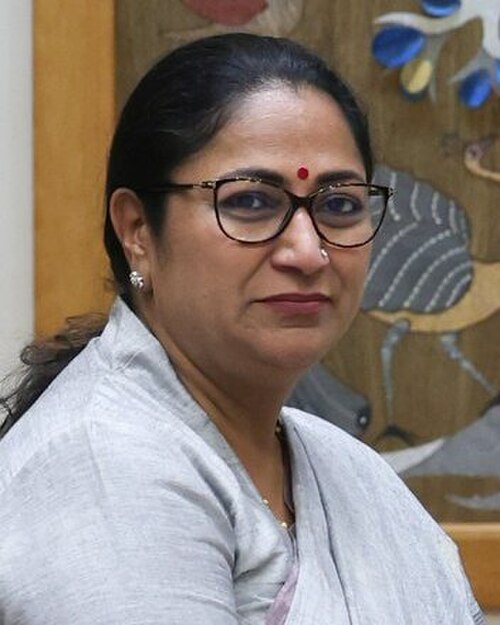
Delhi Chief Minister Rekha Gupta on Monday defended the eligibility conditions of the Delhi Lakshmi Yojana during the Assembly session, hitting back at criticism from the Aam Aadmi Party over rules that include a three-child cap and a 10-year residency requirement.
Speaking on the second day of the monsoon session in Delhi, Gupta addressed concerns raised by AAP leader and former minister Gopal Rai. Rai had questioned the registration process and argued that excluding women with more than three children and requiring proof of a decade of residence in Delhi would limit the scheme's reach.
Gupta rejected the criticism, stating that family planning was a personal choice and that women should not be treated as machines for giving birth. She warned against expanding families repeatedly in the hope of having a male child, stressing that women's health and financial empowerment must remain priorities.
The Delhi Lakshmi Yojana is designed to provide ₹2,500 per month to eligible women aged 21 to 60. Allocated a budget of ₹5,100 crore, the initiative is expected to cover approximately 1.7 million women across Delhi. Under the payout structure, ₹1,000 will be provided via a digital wallet, while ₹1,500 will be placed in a fixed or recurring deposit, accumulating to roughly ₹60,000 over three years including interest.
Gupta reported that 592,406 registrations had been completed since the scheme's portal was launched on August 1. She said the initiative aimed to financially empower women whose domestic work frequently goes unrecognised.
The scheme maintains several exclusion criteria alongside the three-child limit and 10-year residency requirement. Women already receiving financial aid or pensions under other government schemes, income-tax payers, GST return filers, and government employees are excluded, as are families with members employed by the central or state governments. Additionally, households owning a four-wheeler, those consuming over 2,400 units of electricity annually, and women with a criminal record are ineligible.
During her address, Gupta also defended the administration's policy on Saheli Pink Smart Cards, which offer free DTC and cluster bus travel to women and transgender residents in Delhi. She maintained that taxpayers' money should primarily serve local residents, adding that women from Uttar Pradesh and Bihar residing in Delhi remain eligible for the cards.