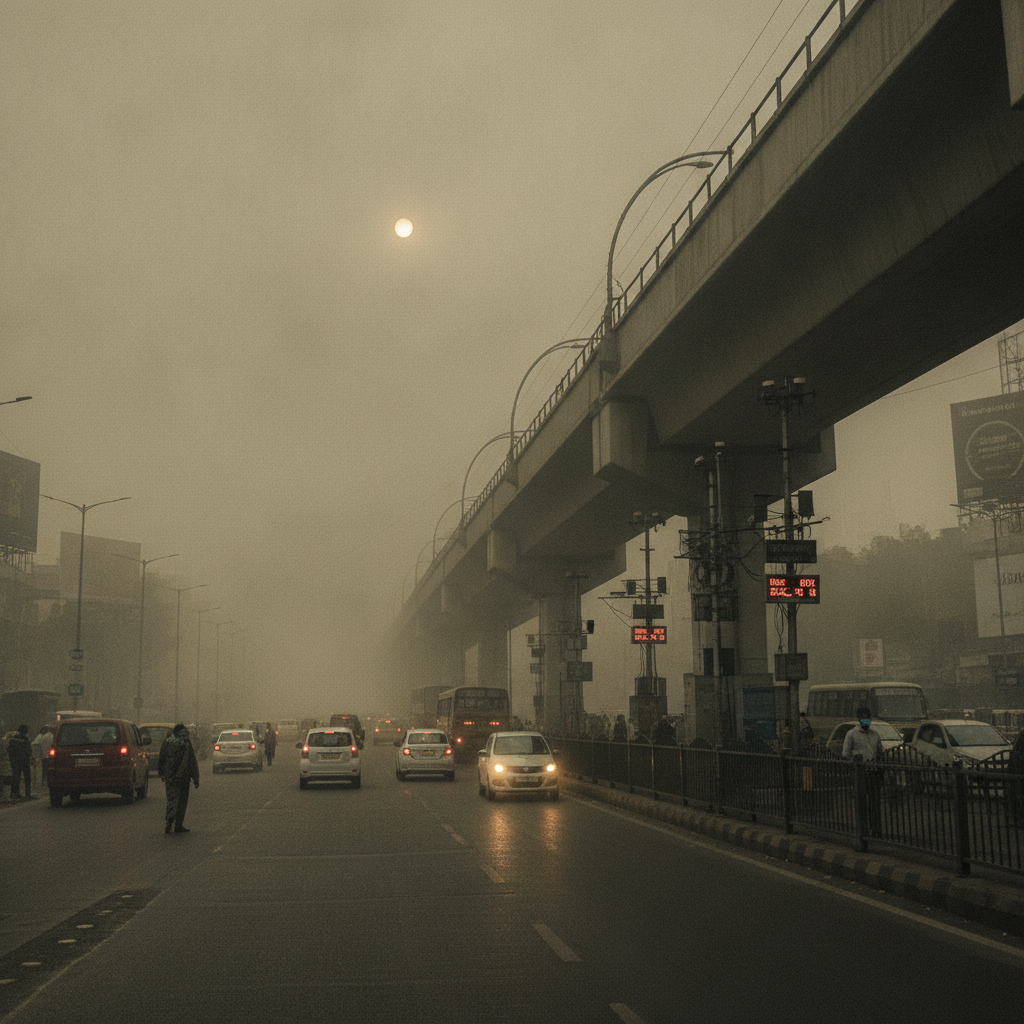
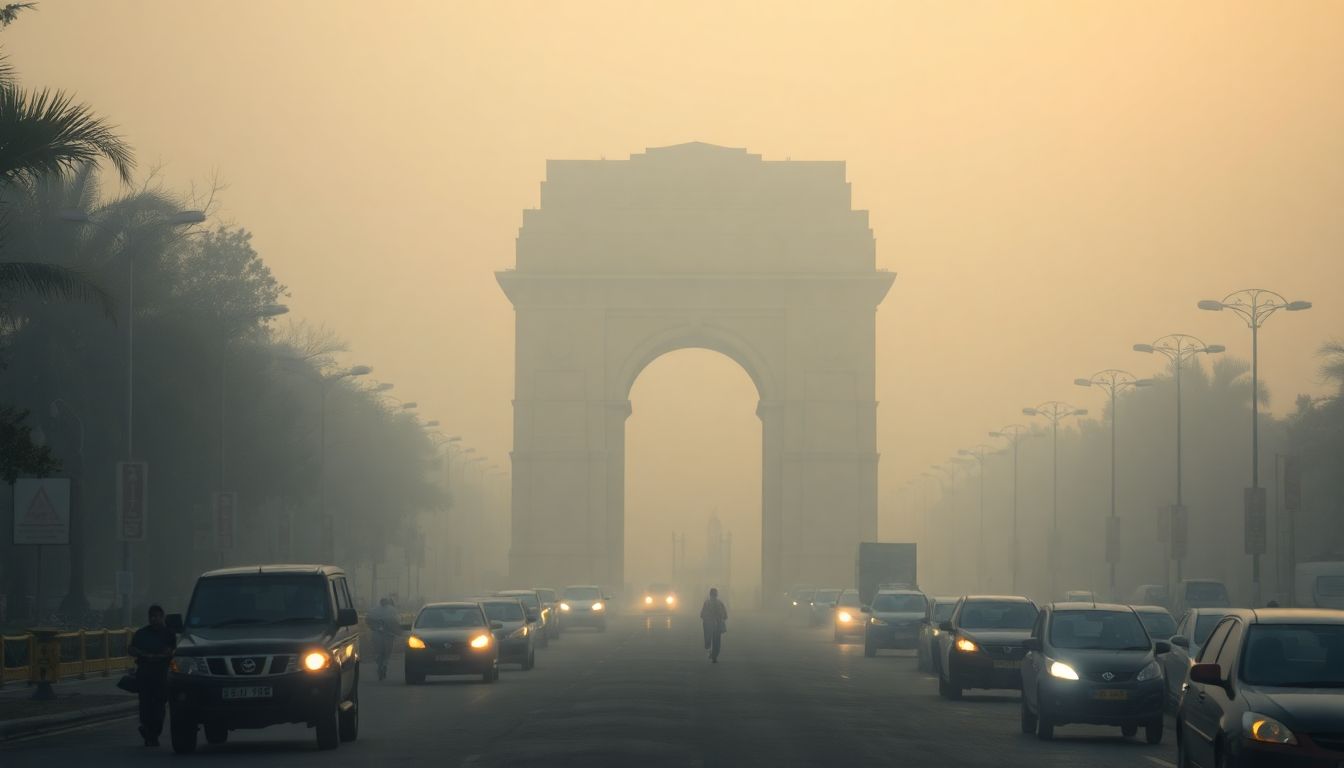
Delhi Civic Bodies Seek Three-Year Extension for Illegal Colony Protection Law
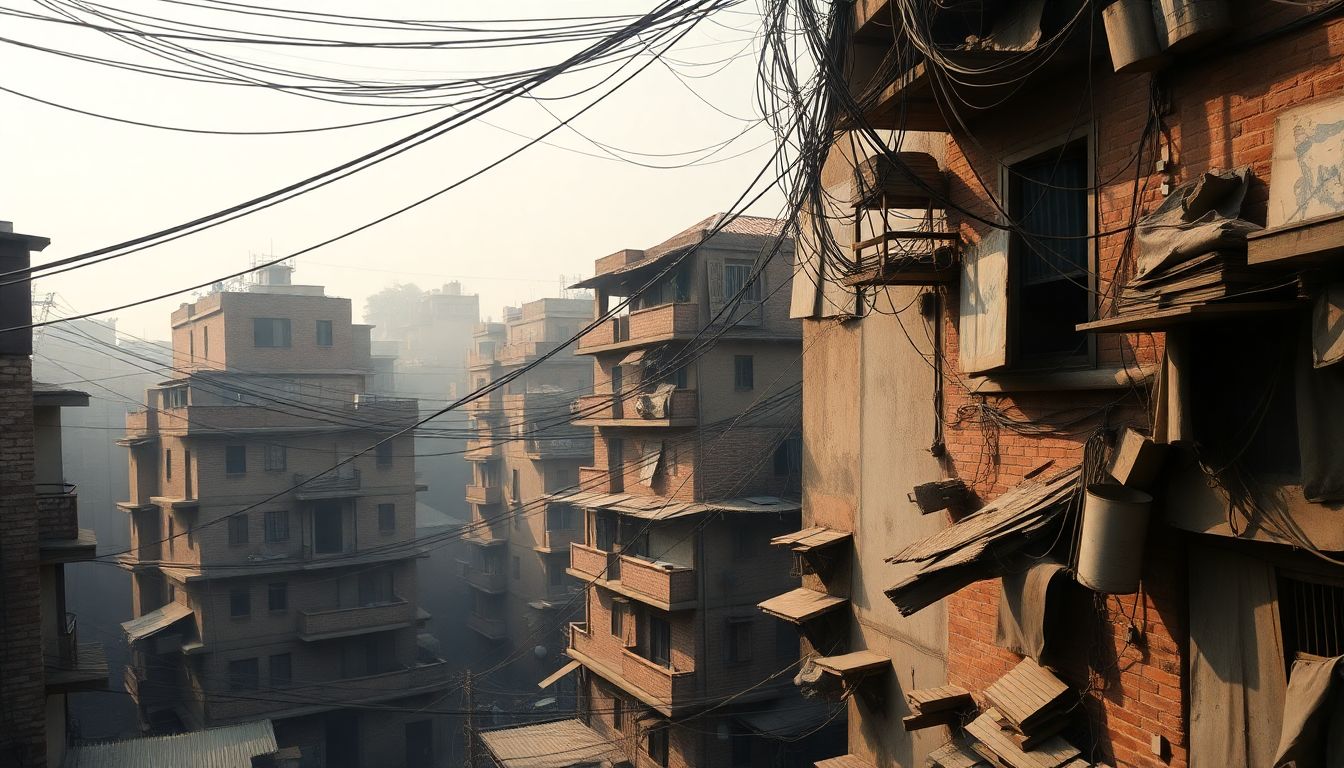
Delhi's urban local bodies have initiated the process to recommend another three-year extension of the Delhi Laws (Special Provisions) Act, aiming to prolong blanket protection against punitive action for unauthorized constructions across the city. The law, which covers illegal structures in unauthorized colonies that came up before June 2014, is currently slated to lapse in December 2026.
The Municipal Corporation of Delhi has already prepared and submitted its report backing the extension, and the New Delhi Municipal Council conducted a similar exercise last month. Although Parliament will make the final decision on whether to amend the law, civic authorities maintain that ending the immunity would instantly expose lakhs of properties across Delhi to sealing drives and demolition.
A senior municipal official stated that without the legislative safeguard, civic agencies would be compelled to take punitive measures against vast swathes of the city. The official noted that the scale of the problem is such that protection will have to be extended, warning that lakhs of buildings would otherwise face enforcement action. The proposal also notes challenges regarding structures that deviate from the Master Plan of Delhi and municipal building byelaws.
The regulatory shield originated in February 2006, when court-ordered sealing drives conducted by the MCD triggered parliamentary intervention. To halt widespread enforcement, the central government enacted the Delhi Laws (Special Provisions) Act, 2006. While initially intended to last for one year, the legislation was subsequently extended in 2007, 2009, 2011, and then renewed every three years. The National Capital Territory of Delhi Laws (Special Provisions) Second (Amendment) Act, 2023, later stretched this shield through December 31, 2026.
The move to prolong protection comes alongside an exceptionally slow uptake for property regularisation across the capital's 1,511 unauthorised colonies, which house an estimated 4.5 million residents. Under the PM-JAY regularisation scheme announced on an 'as-is-where-is' basis in April, official figures show that just 136 to 137 applications have been submitted by residents, with only 22 approved.
A second civic official confirmed that response levels have remained sluggish despite measures to simplify the procedure, including slashing regularisation fees and allowing residents to apply through independent architects rather than approaching the MCD directly. The official added that given the low application count, authorities will likely have to extend the regularisation deadline as well.