Delhi Citizens Gather at Red Fort to Reflect on Freedom at Independence Milestone
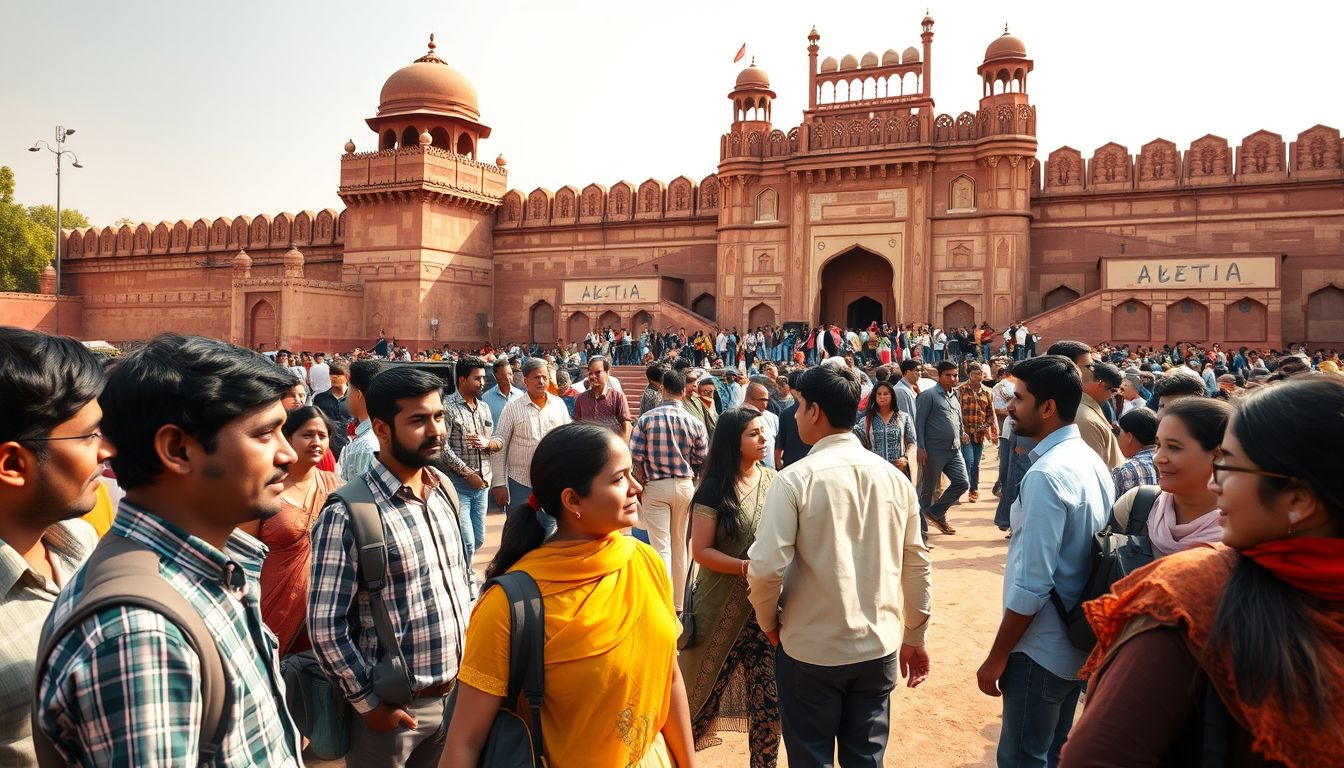
As the Tricolour was unfurled over the Red Fort to mark 80 years of Independence, citizens who gathered at the historic Delhi landmark shared their evolving perspectives on what freedom means in contemporary India.
While some attendees pointed to visible advancements in infrastructure and technology, others emphasized personal security, the ability to speak openly, and the ongoing struggle against social discrimination.
For 19-year-old Delhi University students Tanya Bahadur and Shikha Kumari, the concept of freedom was framed by recent student protests, online harassment, and the challenge of expressing dissent. Ms. Bahadur noted that while she had only read about the historical fight against British rule, ongoing issues such as the trolling of women online and student demonstrations indicated that struggles for complete freedom persist. Ms. Kumari noted that she had hoped the Prime Minister would address recent protests, adding that challenges like corruption, inequality, and equal opportunity remain issues inside the country that require attention.
Venkatesh Sinha, an attendee in his 90s who observed the celebrations from a wheelchair alongside his daughter, reflected on the nation's political trajectory over the decades. He observed that while the country has seen economic improvements, questions remain regarding the upward mobility of the poor. Mr. Sinha, who attended the ceremony in memory of his late wife after stopping for a decade following her death, expressed hope that younger generations would preserve freedom and that the nation would see no further riots.
Other attendees highlighted personal safety and social harmony. Aliza Khan, 26, who attended with her husband, noted that freedom meant living without constant concern over identity amid shifting social dynamics, noting her grandfather's sacrifices for the nation. Her husband added that freedom involved living peacefully with access to adequate civic amenities outside of segregated neighborhoods.
Economic security was central to the reflections of working-class attendees. Bablu, a waste-picker, stated that despite the country's broader progress, daily life remains challenging, defining freedom as financial stability without constant worry about finding daily work. Similarly, 37-year-old fruit seller Md. Amzad explained that true progress for the country would mean his children receiving educational opportunities he lacked, enabling them to earn a livelihood and live with dignity.