Delhi Can Cut PM2.5 Exposure by 20% by 2040 Without Delays, UN Report Finds
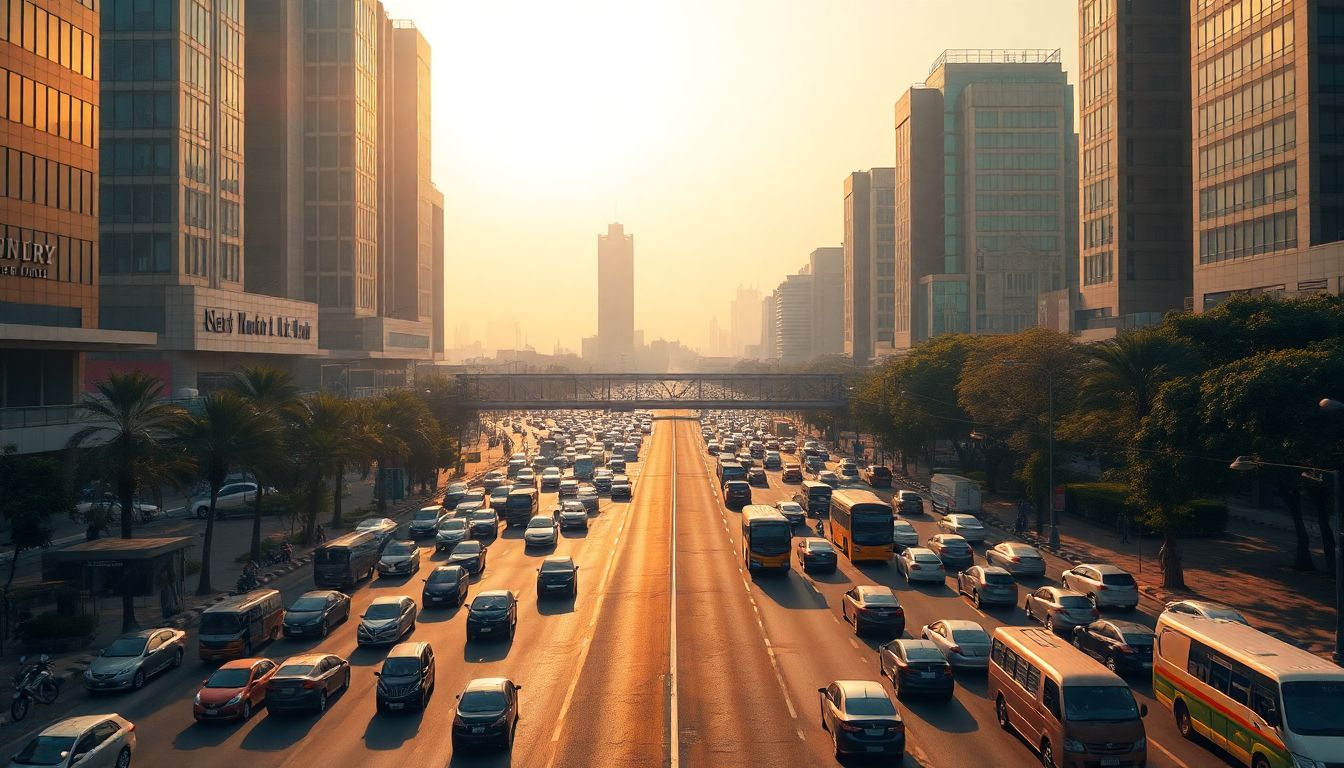
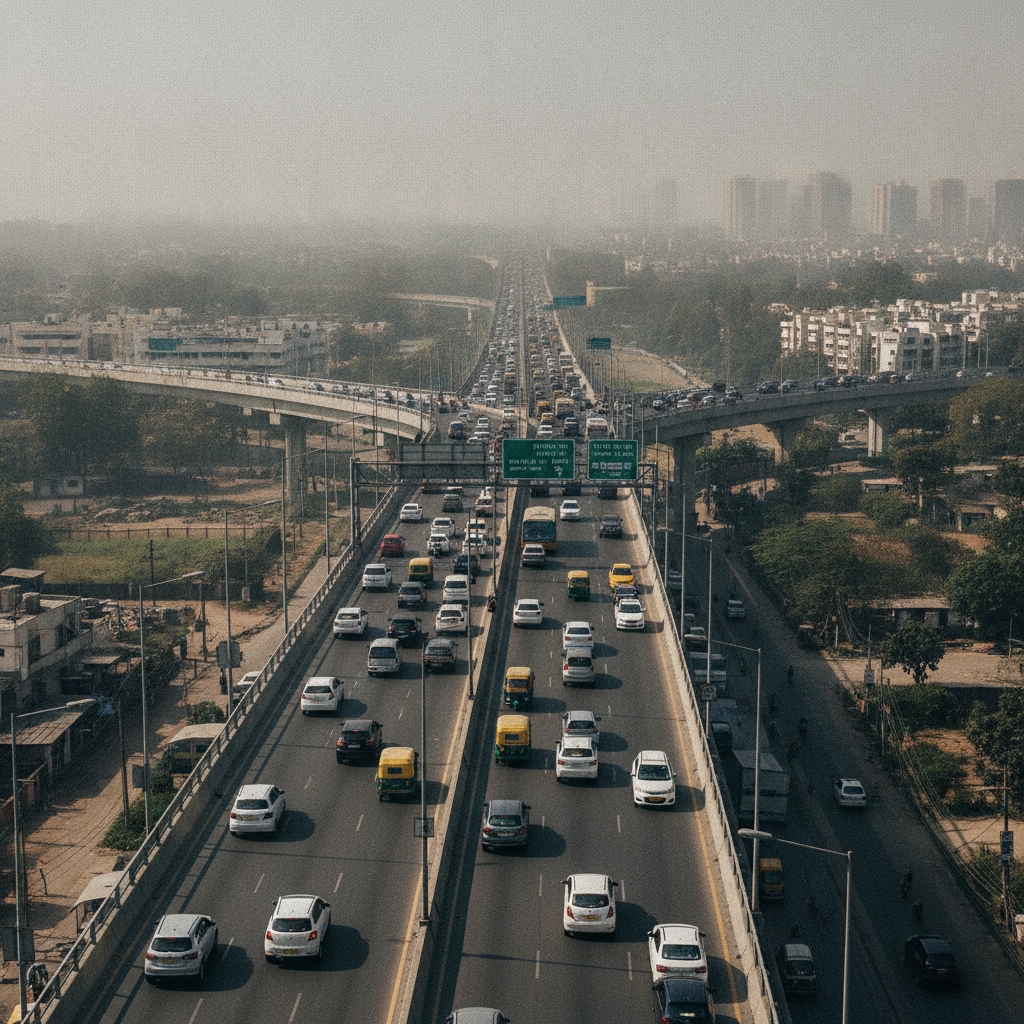
Delhi could reduce its PM2.5 exposure burden by 20 per cent by 2040 if the city meets current national air quality standards on schedule starting in 2026, according to a new report released in New Delhi on Monday. However, any major setback in enforcement would drastically curb those benefits.
The assessment states that an eight-year delay in meeting these standards would halve the anticipated gains, resulting in only a 10 per cent reduction in PM2.5 exposure. The authors noted that this shortfall would translate into substantially greater health impacts for residents across the region during that timeframe.
The findings were published in a report titled 'Hidden Assets: The Economic and Health Case for Climate and Clean Air Action', released jointly by the UN Environment Programme and the Climate and Clean Air Coalition. The publication represents the first comprehensive global economic assessment evaluating integrated climate and clean-air measures.
To achieve these targets, the document outlines 25 existing, feasible solutions designed to address climate change and air pollution simultaneously. Recommended actions include expanding renewable power, improving energy efficiency, providing clean cooking and heating alternatives, and enforcing tighter vehicle emission and efficiency standards.
According to the analysis, implementing these measures would generate annual economic benefits equal to 2.8 per cent of global gross domestic product in 2035, rising to 4.5 per cent in 2050 and 11.4 per cent in 2100. Conversely, each year of delayed action foregoes over 0.5 per cent of global GDP in benefits, representing more than USD 1.5 trillion in combined market and non-market value.
The report warned that global implementation delays currently average between 7.5 and 8 years, with institutional hurdles serving as the single largest obstacle and accounting for roughly 2.4 years of lost progress over a 15-year window. The authors noted that a delay on that scale roughly halves the emissions reductions that could otherwise be achieved by 2035.
Strengthening economic, social, technological, and institutional conditions could allow all 25 solutions to be implemented up to a decade sooner, significantly increasing reductions in PM2.5 and ozone precursors between 2025 and 2050.